How Montessori Education Empowers the Development of Leadership Skills
8 January 2026
Ever wondered why some kids seem naturally confident, decisive, and empathetic beyond their years? It might just be their education—more specifically, a Montessori education. While most classrooms focus on grades and standardized tests, Montessori environments do something different. They build leaders.
Yep, we’re talking about leadership, that magical mix of confidence, responsibility, emotional intelligence, and the ability to guide others. And guess what? The seeds of great leadership aren't sown in high school or college. They're planted early—very early.
Let’s dive into how Montessori education doesn’t just teach kids what to learn, but how to lead.
What Is Montessori Education Anyway?
Before we get into the leadership-building magic, let’s clear this up: What exactly is Montessori?Montessori education, developed by Dr. Maria Montessori over a century ago, is a child-centered learning approach. Instead of standing in front of a chalkboard delivering lectures, teachers (called guides) observe and support a child’s natural development. Kids in Montessori classrooms choose their activities, work at their own pace, and learn through hands-on experiences.
Sounds cool, right? But how does that tie into leadership skills?
Let’s break it down.
1. Independence: The First Building Block of Leadership
One of the first things you’ll notice in a Montessori classroom is how shockingly independent the kids are. You’ve got 3-year-olds cleaning up after themselves, making snack, and even helping younger peers. It’s basically a mini community of confident little go-getters.🎯 Why this matters:
Leaders don’t sit around waiting for someone to tell them what to do. They take initiative. Montessori’s emphasis on independence trains children early to trust themselves, make decisions, and take responsibility for their actions—all crucial leadership qualities.
2. Freedom Within Limits Builds Decision-Making Skills
Montessori classrooms offer what’s called “freedom within limits.” That means students can choose their tasks, but within a structured environment. It’s not a free-for-all. They still have responsibilities and boundaries.🎯 Why this matters:
Leadership involves making choices—some easy, some tough. Being allowed to make decisions from a young age teaches children to weigh options, consider consequences, and develop critical thinking. It’s like preparing tiny CEOs for the real world.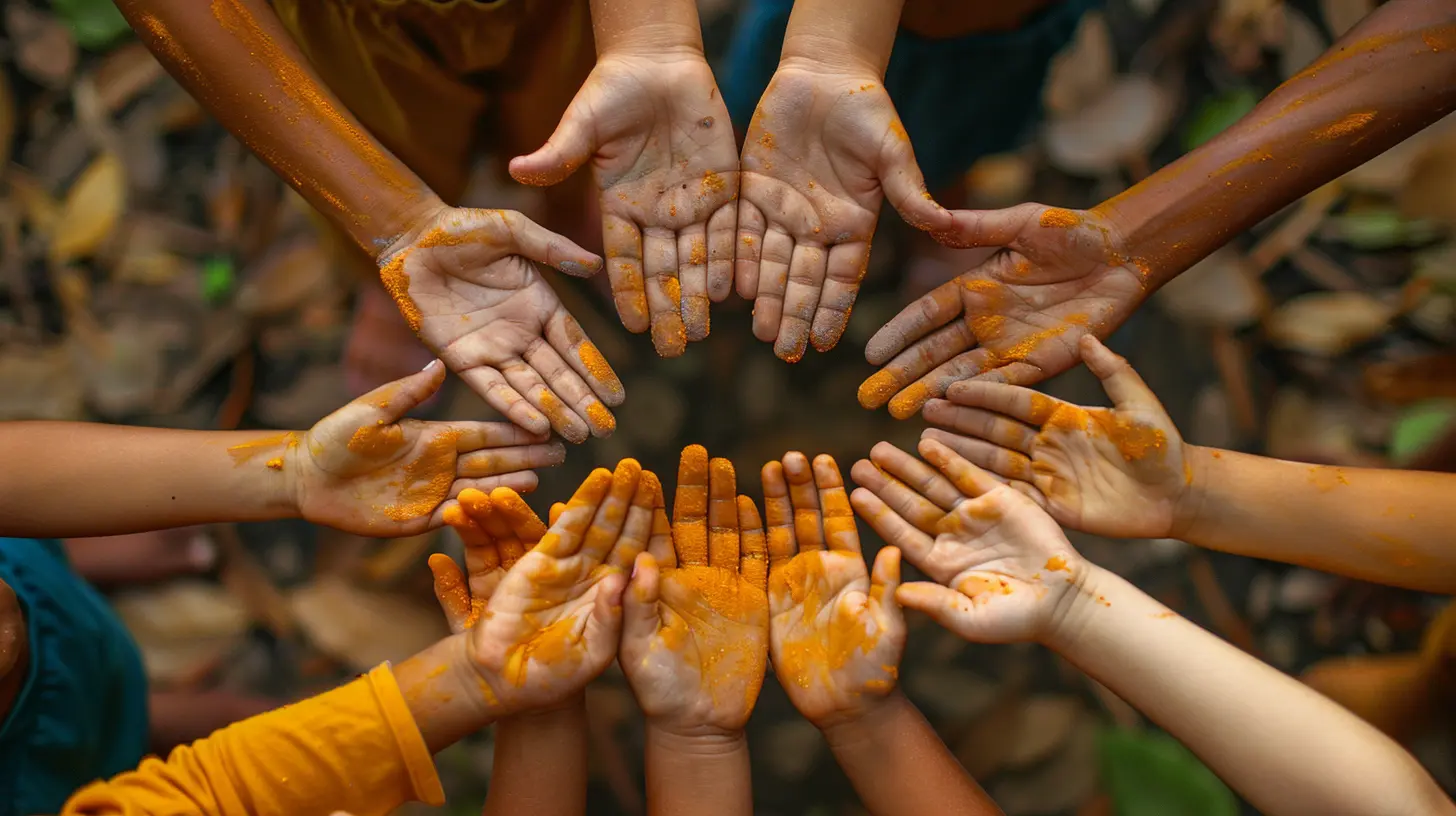
3. Mixed-Age Classrooms Foster Mentorship
In traditional classrooms, everyone’s the same age. Not in Montessori. You’ll often find 3-year-olds learning alongside 6-year-olds. And it’s not chaotic—it’s genius.Older children naturally take on mentor roles, while younger ones look up to their peers. It creates a cycle of leadership and learning.
🎯 Why this matters:
Mentorship is a core aspect of leadership. Teaching others reaffirms your own knowledge and builds empathy. Plus, it helps kids feel valued and respected, which boosts self-confidence—an essential trait in any leader.
4. Communication and Emotional Intelligence Are Prioritized
Montessori isn’t just about academics—it’s about the whole child. That means emotional and social development get just as much attention as reading and math.Children are encouraged to express their feelings, resolve conflicts peacefully, and communicate respectfully. They learn how to actively listen, empathize, and collaborate with others.
🎯 Why this matters:
The best leaders aren’t just smart—they’re emotionally intelligent. They understand how to connect with people on a human level. Montessori kids grow up practicing these skills daily, setting a strong foundation for future leadership.
5. Intrinsic Motivation Over External Rewards
In a Montessori setting, you won’t hear, “If you finish your math, you get a gold star.” Instead, children are motivated by the satisfaction of learning itself. They do the work because they enjoy it or see value in it—not because of a bribe.🎯 Why this matters:
Real leaders are driven by purpose, not applause. They’re internally motivated to do what’s right or necessary, even when no one’s watching. Montessori nurtures that kind of motivation from day one.
6. Responsibility and Accountability Are Taught Early
Montessori classrooms are essentially mini societies. Everyone has a role, everyone contributes. Whether it’s watering the plants, tidying up shelves, or helping a friend—kids are given real responsibilities.🎯 Why this matters:
Responsibility is a cornerstone of leadership. When children are trusted with real tasks, they rise to the occasion. They learn that their actions matter and start holding themselves accountable—without being told to.
7. Individualized Learning Builds Self-Confidence
In traditional systems, kids are often compared to each other. Not in Montessori. Each child follows their unique learning plan, progressing at their own pace. Success isn’t measured by beating others—it’s about personal growth.🎯 Why this matters:
Confident leaders don’t crave constant validation. They know their worth and trust their abilities. Montessori education builds this self-assurance by creating a safe space for children to succeed on their own terms.
8. Problem-Solving Is Encouraged Daily
Montessori kids don’t get spoon-fed answers. If a puzzle doesn’t fit, they try another solution. If a peer is upset, they talk it out. It’s all about thinking creatively and adapting.🎯 Why this matters:
Let’s face it—leadership is mostly about solving problems. Whether it’s in the boardroom or on the playground, leaders have to navigate challenges. Montessori trains kids to think critically, brainstorm solutions, and stay calm under pressure.
9. Collaboration Beats Competition
You know those cutthroat environments where everyone’s trying to claw their way to the top? Montessori takes the opposite route. It encourages collaboration over competition.Children often work in groups, share resources, and help one another—not because they have to, but because it’s natural in that setting.
🎯 Why this matters:
A true leader lifts others up. Montessori creates a mindset of community and cooperation, rather than rivalry. Kids learn that success is better when it’s shared.
10. Purposeful Work Builds Focus and Grit
Montessori activities aren’t fluffy. They’re designed to engage the brain and body. Whether it’s building with blocks, pouring water, or writing stories, the work is meaningful and requires focus.🎯 Why this matters:
Leadership isn’t about short bursts of brilliance. It’s about sustained effort, focus, and grit. Montessori kids grow up practicing this every day, making perseverance a habit.
Real-Life Leaders Who Were Montessori Students
Still skeptical? Let’s name-drop a few famous Montessori alumni:- Jeff Bezos — Founder of Amazon
- Larry Page and Sergey Brin — Founders of Google
- Jimmy Wales — Co-founder of Wikipedia
- Gabriel Garcia Marquez — Nobel Prize-winning author
These folks aren’t just successful—they’re visionary leaders. And they all spent their early years in Montessori classrooms.
See the connection?
The Montessori Ripple Effect
When you empower kids with autonomy, emotional intelligence, and critical thinking, you’re not just educating them—you’re shaping future leaders.Montessori education doesn’t produce followers. It nurtures individuals who aren’t afraid to lead, to speak up, and to make an impact. The beauty is that it happens naturally, day by day, through structure, choice, and respect.
So, whether you're a parent searching for the right school or an educator rethinking traditional methods, just remember: Montessori doesn’t just teach. It empowers. And leadership? That’s built from the sandbox up.
Final Thoughts
Leadership isn’t reserved for adults in boardrooms. It begins in childhood—with small acts of independence, responsibility, and empathy. Montessori education offers the soil where these leadership traits bloom naturally.Kids who grow up in Montessori environments don’t wait to be told what to do… they step up. They lead. Not because they have to, but because it’s part of who they are.
If you’re looking to raise a leader, Montessori might just be your secret weapon.
all images in this post were generated using AI tools
Category:
Montessori EducationAuthor:

Charlotte Rogers
Discussion
rate this article
12 comments
Tala Riley
Montessori promotes autonomy and critical thinking, fostering essential leadership skills through hands-on learning and collaborative environments.
February 2, 2026 at 4:04 AM
Charlotte Rogers
Thank you for your insightful comment! Montessori's focus on autonomy and collaboration indeed cultivates critical leadership skills in children.
Pierce Clayton
This article effectively highlights how Montessori education fosters essential leadership skills through independence, collaboration, and critical thinking. By nurturing a child’s natural curiosity, it prepares them for future challenges and instills confidence in their abilities. Great insights!
January 30, 2026 at 4:30 AM
Charlotte Rogers
Thank you for your thoughtful feedback! I'm glad you found the insights on Montessori education's impact on leadership skills valuable.
Edward Palmer
Absolutely inspiring! Montessori education nurtures independence, critical thinking, and collaboration, laying a strong foundation for future leaders. By fostering a love for learning and creativity, we empower children to embrace challenges and confidently shape their own paths. The future looks bright!
January 27, 2026 at 1:58 PM
Charlotte Rogers
Thank you! I'm glad you resonate with the importance of Montessori education in fostering essential leadership skills. It truly sets the stage for confident, creative thinkers.
Parker Flores
Montessori: where tiny tots wielding wooden blocks become future CEOs—one sensorial lesson at a time!
January 25, 2026 at 12:12 PM
Charlotte Rogers
Thank you! Montessori education truly nurtures independence and critical thinking, setting the foundation for future leaders.
Ivan Bellamy
Empowering growth through leadership in learning!
January 22, 2026 at 4:45 AM
Charlotte Rogers
Thank you! Montessori education truly fosters leadership by cultivating independence, critical thinking, and collaboration in learners.
Anisa Turner
This article beautifully highlights how Montessori education nurtures essential leadership qualities. Grateful for these insights into fostering young leaders!
January 21, 2026 at 5:54 AM
Charlotte Rogers
Thank you for your kind words! I'm glad you found the insights on Montessori education and leadership development valuable.
Valeria Warren
Oh sure, because nothing says "future leader" like letting kids decide whether to play with blocks or finger paint. Who knew mastering leadership could be achieved with a side of glitter and glue?
January 20, 2026 at 8:51 PM
Charlotte Rogers
Montessori education emphasizes choice and creativity, fostering independence and decision-making skills—essential traits for future leaders.
Icarus McQuillan
Montessori education nurtures autonomy, encouraging children to explore and engage. This early empowerment fosters essential leadership skills, cultivating confidence and adaptability that resonate throughout their lives, shaping future leaders in an interconnected world.
January 17, 2026 at 3:53 AM
Charlotte Rogers
Thank you for your insightful comment! I completely agree—Montessori education truly lays the foundation for developing confident, adaptable leaders who thrive in a connected world.
Zain McIntire
Montessori's child-centered approach cultivates autonomy and critical thinking, essential for leadership, yet may overlook structured discipline needed in traditional settings.
January 10, 2026 at 3:44 AM
Charlotte Rogers
Thank you for your insight! Montessori education indeed fosters autonomy and critical thinking, which are vital for leadership, while also encouraging discipline through self-regulation and responsibility within a structured environment.
Journey Luna
Who knew that finger painting and block stacking could create future CEOs? Montessori education is like a superhero training camp for kids—complete with capes, creativity, and a side of independence. Watch out, world!
January 9, 2026 at 11:58 AM
Charlotte Rogers
Absolutely! Montessori education nurtures creativity and independence, laying a strong foundation for future leaders. It's all about empowering kids to think critically and take initiative!
Joy Fields
Montessori education fosters independence, critical thinking, and collaboration, essential for developing leadership skills.
January 8, 2026 at 8:34 PM
Charlotte Rogers
Thank you for your insightful comment! I completely agree that Montessori education is instrumental in cultivating essential leadership skills through independence, critical thinking, and collaboration.
Rhiannon McConnell
Montessori education fosters independence, critical thinking, and collaboration, essential qualities for developing strong leadership skills.
January 8, 2026 at 5:15 AM
Charlotte Rogers
Thank you for your insightful comment! I completely agree—Montessori's emphasis on independence and collaboration truly cultivates essential leadership qualities.
MORE POSTS

Effective Use of Diagnostic Assessments to Drive Instruction

Using Case Studies to Develop Critical Thinking Skills

How to Use Portfolios for Comprehensive Student Assessment

Strategies for Assessing Project-Based Learning

How Mindfulness Helps Students Manage Anxiety and Stress

How to Leverage Your Life Experience in the Classroom

How to Design Themed Days for Cross-Curricular Classroom Activities

Mindful Storytelling: Using Narrative to Foster Awareness