How Storytelling Shapes Early Literacy Skills
12 August 2026
When was the last time you got completely wrapped up in a story? Maybe it was a bedtime tale as a kid, or that book you just couldn't put down. Stories have this magic—it pulls us in, sticks with us, and reshapes how we think. But for young children, storytelling does something even more powerful. It lays the groundwork for literacy.
Yep, that's right. Before kids ever pick up a pencil or recognize the alphabet, stories are already working their magic. Let’s break down how storytelling shapes early literacy skills in a fascinating and foundational way.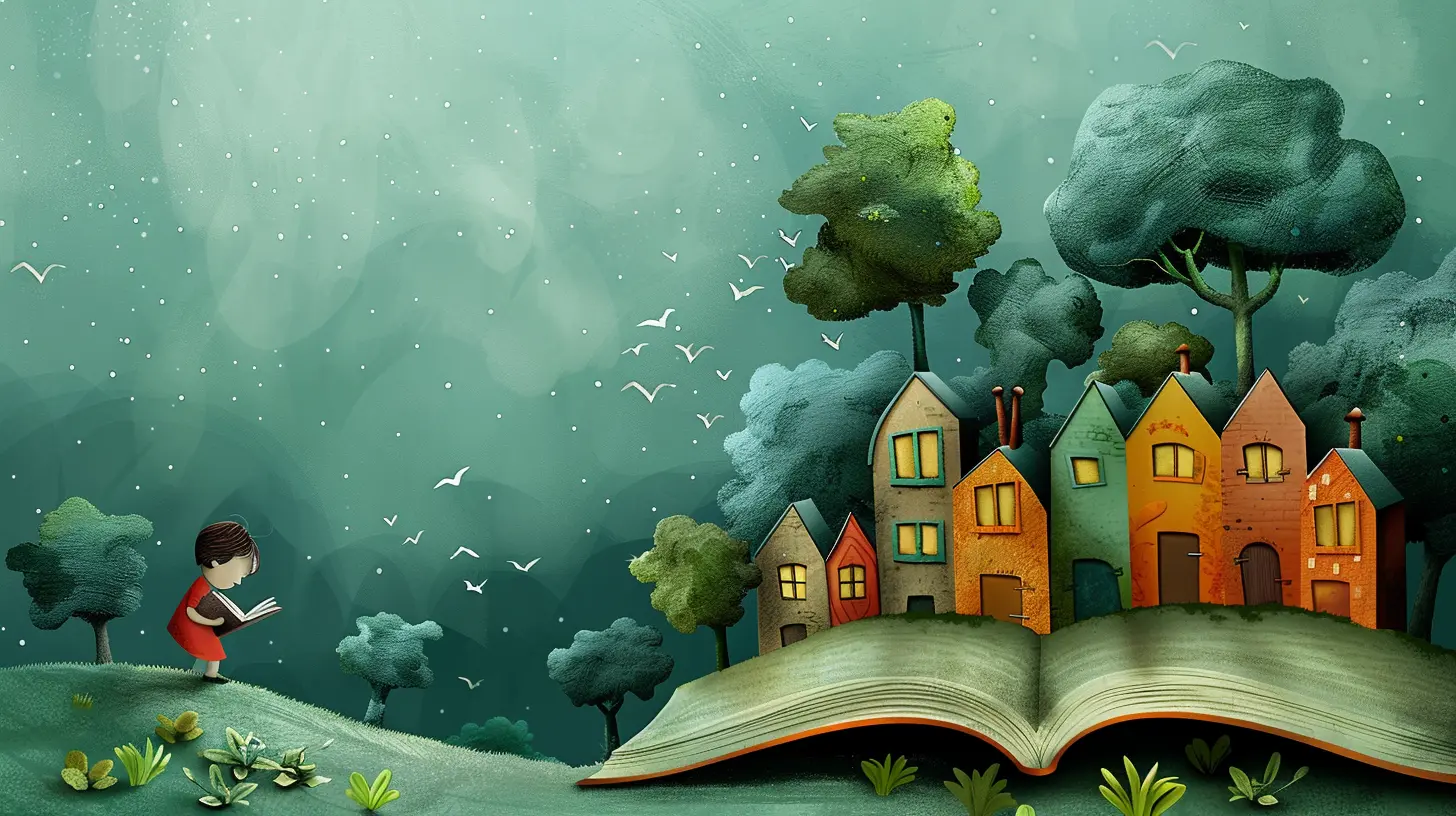
What Is Storytelling, Really?
Let’s not overcomplicate it—storytelling is the art of sharing a narrative, whether through spoken word, pictures, gestures, or even drawings. It’s been around forever, way before books or classrooms were a thing.Kids love stories because stories feel real, even when they’re make-believe. There's a beginning, middle, and end. There are characters, conflicts, and conclusions. All those elements kickstart a child’s understanding of language, structure, and meaning. Without them realizing it, they’re learning.
Why Is Storytelling Critical for Early Literacy?
Here’s the thing—literacy isn’t just about reading and writing. It’s also about listening, understanding, interpreting, and communicating. And what teaches those things better than a good old-fashioned story?When kids hear stories, they absorb new vocabulary, understand sentence structure, and learn how language works. Stories are the perfect blend of fun and functional.
Think of a child's brain like a sponge—everything you pour into it gets soaked up. And storytelling pours in the good stuff: rhythm, tone, emotion, grammar, and even empathy. 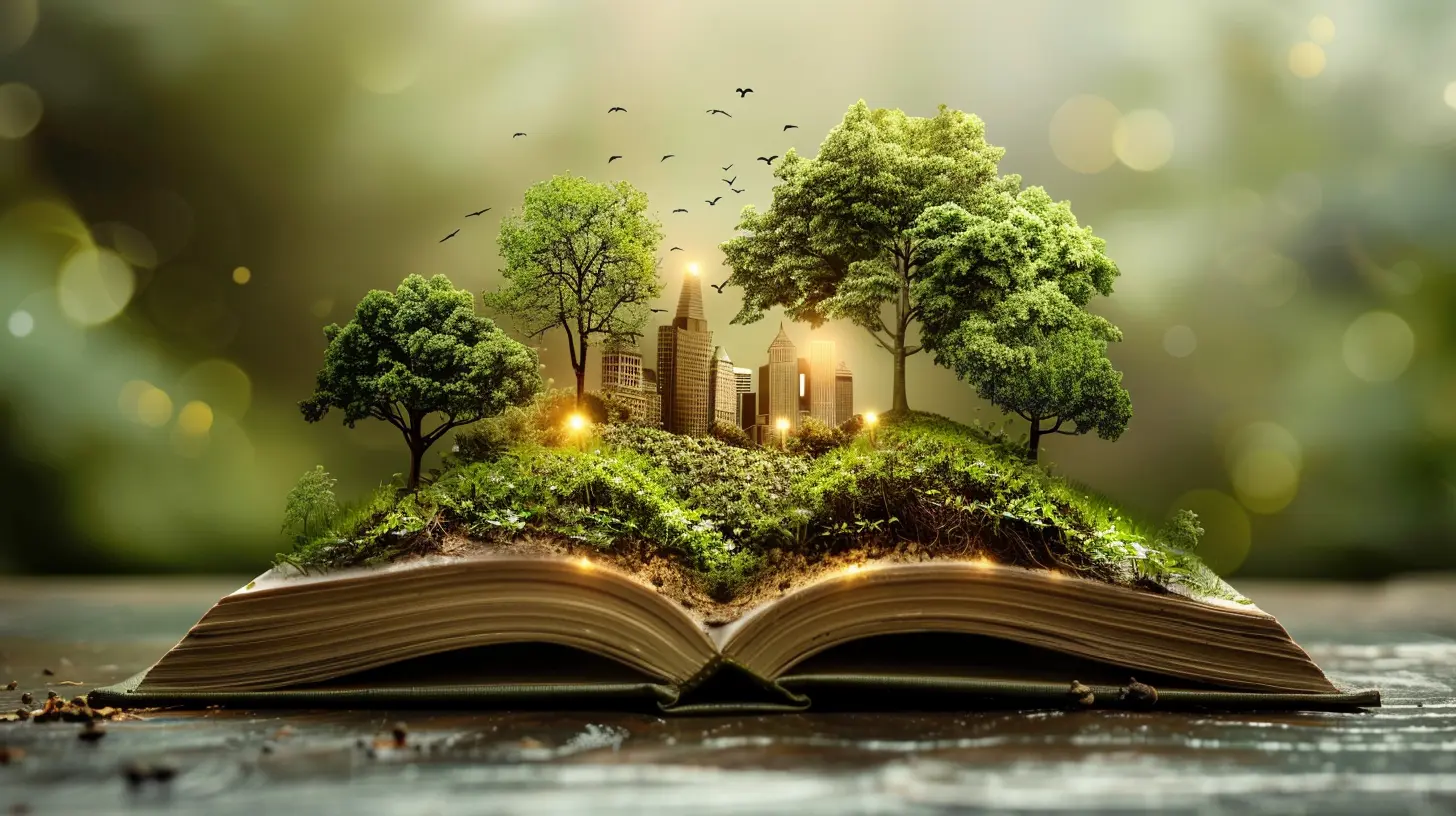
The First Steps: Listening and Speaking
Before you learn to read or write, you have to learn to speak and listen, right? Storytelling checks both of those boxes. When a caregiver tells a story, the child listens actively. This activates their auditory processing skills and helps them make sense of sounds and words.Later, when kids try to retell those stories—or make up their own—they're exercising their speaking abilities. It’s storytelling coming full circle.
You’ve probably heard a toddler fumble through a story in their own words. It's adorable—and educational gold. They're organizing thoughts, sequencing events, and experimenting with language. That’s early literacy in action, plain and simple.
Vocabulary Growth Through Stories
Let’s be real—kids don’t pick up words like “mischievous” or “ancient” while playing peek-a-boo. But plop them down with a storybook or a storyteller, and suddenly, those kinds of words pop up.Stories expose children to a variety of words and expressions they wouldn’t otherwise hear in day-to-day conversation. Over time, this builds a richer vocabulary.
More words = better reading comprehension later on. It’s that straightforward.
Think about this: a child who hears 30 million words before kindergarten will have a major edge over one who hears far less. And storytelling is a powerful way to close that gap.
Understanding Story Structure
Ever wonder why most stories follow a pattern? There's a beginning, some kind of problem, a climax, and then a resolution. That structure teaches kids something vital: how to organize ideas.When children understand story structure, they begin to understand how written texts are built. They grasp that texts have a purpose and a flow. That helps when it’s time to write their own stories or interpret what they read in school.
So next time a kid tells you “and then… and then… and then…” they’re not just being cute. They're piecing together a narrative framework. They’re learning to think like a writer.
Emotional Development and Empathy
Okay, let’s shift gears for a sec and talk feelings. One of the most beautiful things about stories is that they let us step into someone else’s shoes. Whether it’s a lonely bear or a daring explorer, kids get to “feel” what characters feel.This builds empathy and emotional intelligence—both important for understanding characters in books and for being a decent human.
And emotional awareness helps literacy, too. When students understand why a character acts a certain way, they’re better prepared to discuss books, make predictions, and draw conclusions—all higher-level literacy skills.
Cultural Awareness and Connection
Storytelling also brings in another layer: cultural awareness. Every community has its own stories—whether they’re folk tales, legends, or family anecdotes.When kids are exposed to diverse stories, they learn about different perspectives and ways of life. This kind of exposure expands their understanding of the world and makes them more thoughtful readers.
Plus, connection matters. When a child hears a story from their culture, it validates their identity and encourages further engagement with reading and writing.
Stimulating Imagination and Creativity
Ever seen a child completely lost in their imaginary world? Storytelling feeds that creativity like nothing else.This imaginative play spills over into literacy. A vibrant imagination inspires kids to write their own stories, draw their own characters, and invent new worlds. It encourages them to think outside the box and express ideas clearly.
Basically, when storytelling fuels imagination, literacy skills follow close behind.
Parent and Teacher Roles in Storytelling
You don’t need a fancy book or a classroom to tell a great story. In fact, some of the best storytelling moments happen during a car ride, at bedtime, or sitting around the dinner table.Parents, caregivers, and teachers play a massive role here. They model fluency, pronunciation, and pacing. They make stories interactive by asking questions like, "What do you think happens next?" or "Why did the character do that?"
That back-and-forth builds comprehension skills. It teaches kids that stories aren’t just for consuming—they’re for engaging with. They’re meant to make you think.
Digital Storytelling: A Modern Twist
Let’s not ignore the digital age we live in. Storytelling has gone digital—with podcasts, audiobooks, YouTube stories, and educational apps. And guess what? They're still effective.Digital storytelling, when done right, can enhance literacy just like traditional storytelling. It's especially helpful for kids who may struggle with books or who are more audio-visual learners.
But, and it’s a big but—real human interaction still trumps screen time when it comes to building deep literacy skills. So balance is key.
Signs That Storytelling Is Working
You might be wondering, "How do I know if storytelling is actually helping my child?" Great question. Here are a few signs that it’s doing its job:- Your child starts using new words or phrases
- They attempt to retell stories in their own words
- They show excitement during storytime
- They ask questions about characters or plot
- They act out scenes or make their own versions of stories
All of these behaviors show that early literacy is taking root.
How to Get Started with Storytelling
Not sure where to begin? Don’t worry—you don’t need to be a professional storyteller. Here are a few tips to kick things off:1. Start simple: Use classic fairy tales or tell stories from your own childhood.
2. Use expression: Change your voice for different characters, add drama, use pauses.
3. Ask questions: Keep it interactive by asking your child to guess what happens next.
4. Encourage retelling: Have your child tell you the story back in their own words.
5. Use props or pictures: Visual aids can make the story more engaging.
6. Be consistent: Make storytelling a daily habit, even if it's just five minutes.
Final Thoughts: The Story Behind the Story
Storytelling isn’t just an “extra” or a “nice to have.” It’s the foundation for everything else in literacy. It’s where language begins to make sense, where kids learn to love words, and where brains get primed for future reading and writing success.So next time your child asks for “one more story,” don’t rush it. That simple moment could be planting the seeds for lifelong literacy.
And hey, you might end up loving the story just as much as they do.
all images in this post were generated using AI tools
Category:
Early LiteracyAuthor:

Charlotte Rogers