How to Balance Structure and Free Play in a Child’s Day
20 December 2025
Ever watched a child build an imaginary fort out of couch cushions or pretend to be an astronaut in the backyard? It’s pure magic — and it’s free play in action. But then again, structure has its charm too. A structured day with clear routines helps kids learn discipline, responsibility, and time management. The real trick? Finding the sweet spot between the two.
In this fast-paced world filled with calendar apps and scheduled playdates, striking a balance between structure and free play in a child’s day might feel like threading a needle in the dark. But don’t worry — you’re not alone. Parenting isn’t about perfection; it’s about finding what works for your child and your rhythm. Let’s dive into how you can blend routine and freedom into your child’s daily life without it feeling like a tug-of-war.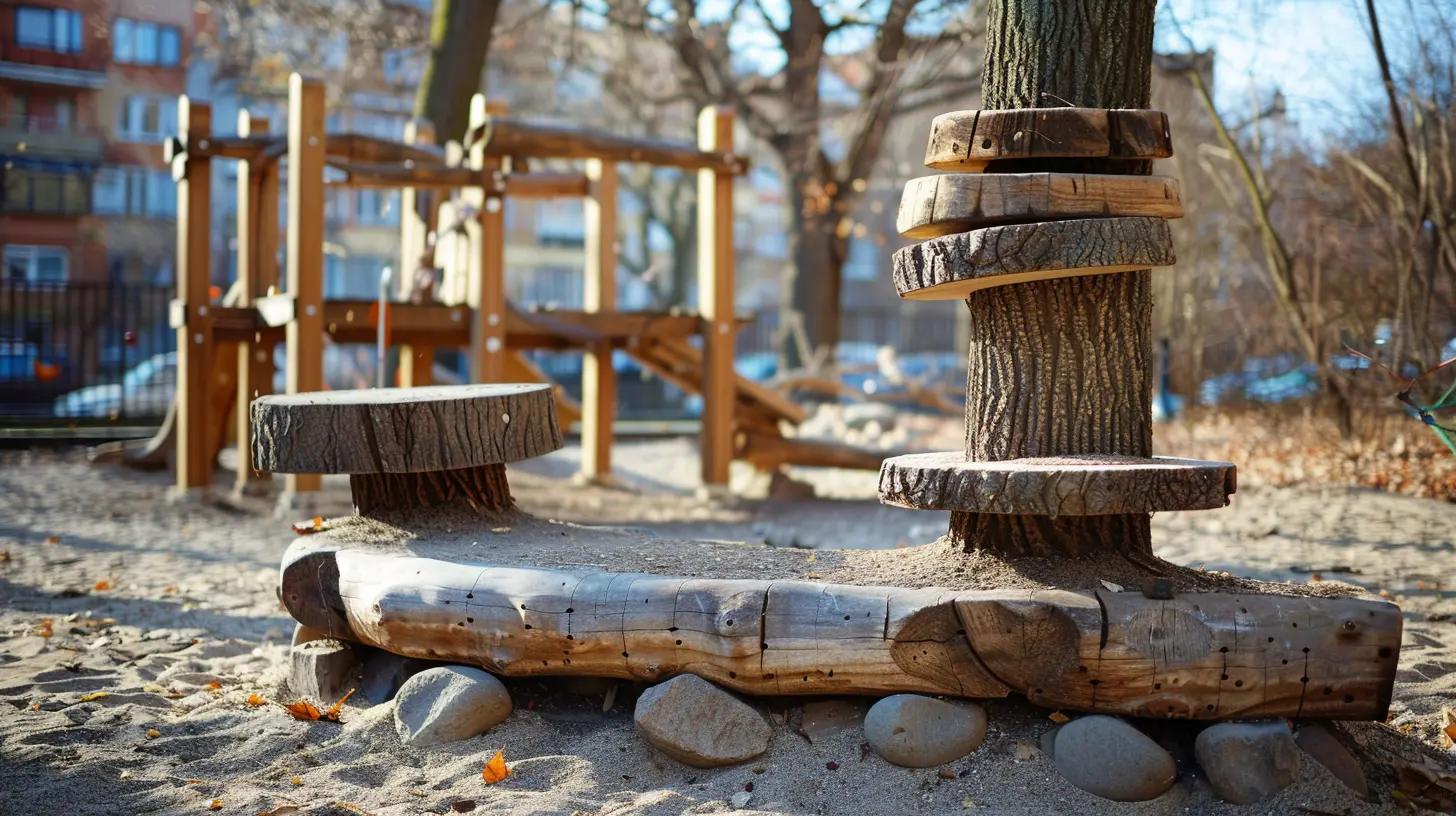
Why Balance Matters: The Best of Both Worlds
Think of your child’s day like a recipe. Structure is the flour—it holds everything together. Free play? That’s the spice—it adds flavor, creativity, and fun. You need both to make it work.When kids have too much structure, they can feel overwhelmed and boxed in. Their creativity might take a backseat, and burnout can creep in. On the flip side, too much free play without guidance might lead to disorganization, missed learning opportunities, and even anxiety due to lack of predictability.
Balance helps children thrive emotionally, physically, and mentally. It gives them the tools to become confident, independent, and adaptable adults.
Understanding the Two Sides
What Is Structure?
Structure involves routines, schedules, and planned activities. It includes things like:- Bedtime routines
- School or learning time
- Meal times
- Chores
- Organized extracurriculars
- Screen time limits
Structure provides consistency. It gives children a sense of security because they know what to expect, and that’s comforting.
What Is Free Play?
Free play is unstructured, voluntary, and led by the child. No adult-imposed goals, no step-by-step instructions—just imagination running wild. Examples include:- Dressing up and pretend play
- Drawing or painting whatever comes to mind
- Playing tag or hide and seek
- Creating their own games with toys
- Running around the yard making up stories
This kind of play enhances problem-solving skills, social interaction, creativity, and even emotional understanding.
The Perks of Structure
Let’s face it—life is full of rules and responsibilities. Structure helps children prepare for the real world. Here’s how:1. Builds Discipline
When a child gets used to brushing their teeth every night at 8 PM, they start learning self-discipline. Repetition in routines wires their brain for future habits.2. Encourages Responsibility
When kids know their schedule (homework before screen time), they take ownership of their actions.3. Reduces Stress and Anxiety
Predictability brings comfort. When children know what's coming next, they feel more in control, reducing anxiety and emotional outbursts.
The Magic of Free Play
If structure is the skeleton, free play is the soul. It’s a vital part of child development for multiple reasons.1. Encourages Creativity
A stick can become a sword, a magic wand, or a horse. Free play nurtures imagination like nothing else.2. Boosts Problem-Solving Skills
When kids make up their own games, they face make-believe conflicts and solve them independently. That's real-world training happening behind the scenes.3. Fosters Social Skills
When playing freely with peers, kids learn negotiation, turn-taking, empathy, and how to handle disagreements.Finding the Balance: Actionable Tips for Parents
Now comes the million-dollar question: how do we strike the balance?1. Stick to Anchors, Not Schedules
Instead of a rigid timeline, create daily “anchors” like breakfast, nap time, lunch, and bedtime. In between those, let there be flexibility.➡️ Example:
"After lunch, you can choose whether to read a story, draw, or play outside."
This gives your child autonomy within a predictable framework.
2. Use a Visual Routine Chart
Kids love visuals! A sticker-based or illustrated schedule helps kids anticipate what’s coming, and you can leave slots blank for free play.➡️ Bonus tip: Let them stick the stickers to feel involved.
3. Prioritize Free Play Daily
Even on busy days, carve out at least 30–60 minutes where your child can just be. No agenda. No rules. Let them get messy or bored—those are the breeding grounds of creativity.4. Rotate Toys and Materials
Bored with the same toys? Rotate them! Keeping options fresh encourages excitement and stimulates imagination without the need for screens.5. Be Present—But Not Controlling
During free play, resist the urge to take over. Be available if they need you, but let them lead. Let the spaceship crash into the cereal bowl if it must—it’s part of the journey!6. Watch Their Cues
Some days, your child might crave structure. Other days, they’ll want to play endlessly. Be flexible. You don’t have to be a drill sergeant—or a cruise ship director.➡️ Ask yourself: Is my child moody because they missed nap time or because they didn’t get to run around? Their mood is often the best feedback.
7. Schedule “Freedom Blocks”
Set aside chunks of time where anything goes. These windows allow free exploration. Label them on your routine chart if you’d like—just make sure it’s genuinely unstructured.Age Matters: Tailoring Balance by Development Stage
What works for a toddler won’t fly with a preteen. Here’s a quick breakdown:For Toddlers (1–3 years)
- Structure: Nap times, meals, diaper changes at consistent times- Free Play: Safe spaces to explore with age-appropriate toys
- Tip: Use simple routines, like a song before nap time
For Preschoolers (3–5 years)
- Structure: Introduce story time, clean-up routines, meal planning- Free Play: Arts and crafts, imaginary play, outdoor exploration
- Tip: Offer guided choices (e.g., “Would you like crayons or chalk?”)
For School-Age Kids (6–12 years)
- Structure: Homework, chores, bedtime routines- Free Play: Riding bikes, building with Legos, spontaneous games
- Tip: Encourage them to schedule their own playtime within the daily framework
Avoiding Common Pitfalls
1. Overscheduling
Extracurriculars are great, but don’t go overboard. A kid with piano at 4, dance at 5, and tutoring at 6 might miss out on just being a kid.2. Helicoptering During Free Time
Let them be “bored.” It’s the gateway to creativity. Resist the urge to intervene every five minutes.3. Ignoring Transitions
Kids need time to switch gears. Let them know a few minutes before moving from play to dinner. Sudden transitions can cause meltdowns.➡️ Try: “Five more minutes, then we’ll clean up. Want to set a timer together?”
Real-Life Routine: A Sample Balanced Day
Here’s a blueprint you can tweak to fit your family.| Time | Activity |
|------------------|---------------------------|
| 7:00 AM | Wake-up & morning routine |
| 8:00 AM | Breakfast |
| 9:00–10:30 AM | Structured learning |
| 10:30–11:30 AM | Free play (indoor/outdoor)|
| 12:00 PM | Lunch |
| 1:00 PM | Quiet time or nap |
| 2:30–3:30 PM | Creative activity |
| 4:00–5:00 PM | Free play with peers |
| 5:30 PM | Dinner |
| 7:00 PM | Family time |
| 8:00 PM | Bedtime routine |
| 8:30 PM | Lights out |
Final Thoughts: Keep It Real
Balancing structure and free play isn’t about nailing a perfect routine every day. It’s about tuning into your child’s needs and adjusting as you go. Some days are wild. Some days are calm. That’s okay.Parenting comes with guilt, second-guessing, and a thousand to-dos. But trust yourself. If your child laughs, learns, and feels loved, you’re doing just fine.
Give them time to imagine, to get bored, to dream big. And offer the kind of structure that feels like a gentle hand guiding them — not a leash holding them back.
Balance isn't a fixed destination. It's a dance. Just make sure the music still allows room for play.
all images in this post were generated using AI tools
Category:
Early Childhood EducationAuthor:

Charlotte Rogers
Discussion
rate this article
12 comments
Kayla Forbes
Great tips! Perfect mix of fun and learning for kids!
January 31, 2026 at 3:41 AM
Charlotte Rogers
Thank you! I'm glad you found it helpful!
Clementine Carey
Balancing structure and free play is essential for a child's development. While routine provides stability, unstructured play fosters creativity and independence. A thoughtful blend nurtures both discipline and imagination, supporting holistic growth.
January 13, 2026 at 3:26 AM
Charlotte Rogers
Thank you for your insightful comment! I completely agree that a thoughtful blend of structure and free play is crucial for fostering well-rounded development in children.
Mira Palmer
This article offers valuable insights into the importance of blending structure and free play in children's routines. Striking this balance fosters creativity while providing essential guidance, promoting holistic development and adaptability in diverse learning environments. A must-read for educators!
January 12, 2026 at 9:58 PM
Charlotte Rogers
Thank you for your insightful feedback! I'm glad you found the article valuable for educators. Balancing structure and free play is indeed crucial for children's development.
Poppy Erickson
This article beautifully highlights the essential balance between structure and free play in a child's daily routine. By integrating both elements, caregivers can foster creativity, independence, and a sense of security. Tailoring activities to a child's unique needs ensures they thrive emotionally and intellectually. A must-read for parents and educators!
January 12, 2026 at 1:33 PM
Charlotte Rogers
Thank you for your thoughtful comment! I’m glad you found the article helpful in highlighting the importance of balancing structure and free play for children's development.
Maya McDonough
Balancing structure and free play nurtures creativity while providing essential guidance for children.
January 11, 2026 at 4:00 AM
Charlotte Rogers
Thank you for your insight! Striking that balance is crucial for fostering creativity while ensuring children have the guidance they need to thrive.
Fiona McAlister
Finding the sweet spot between structure and free play is like trying to balance a spoon on your nose—challenging but oh-so-rewarding! Let kids roam like wild horses while still guiding them through the pasture of learning. Remember, a little chaos is the secret ingredient to creativity!
January 10, 2026 at 3:44 AM
Charlotte Rogers
Absolutely! Striking that balance fosters creativity while providing essential guidance. Embracing a bit of chaos can lead to incredible discoveries!
Natasha Bowers
Balancing structure and free play is essential for a child’s growth! It nurtures creativity while providing stability. Embrace the joy of spontaneous play intertwined with routine—it’s where magic and learning truly happen! Keep inspiring! 🌟
January 9, 2026 at 9:10 PM
Charlotte Rogers
Thank you! I wholeheartedly agree—striking that balance truly fosters both creativity and stability in a child's development. 🌈
Zethryn Shaffer
Finding harmony between structure and free play fosters creativity and resilience in children. Embracing this balance nurtures their ability to explore, learn, and develop essential life skills in a supportive, adaptable environment.
January 8, 2026 at 11:24 AM
Charlotte Rogers
Thank you! I completely agree that balancing structure and free play is vital for fostering creativity and resilience in children. It's all about creating an environment that supports exploration and growth.
Zina Bailey
Striking a balance between structure and free play is essential for holistic child development. While structured activities foster discipline and focus, free play nurtures creativity and problem-solving skills. Embracing both allows children to thrive in a supportive, engaging environment.
December 28, 2025 at 4:44 AM
Charlotte Rogers
Thank you for your insightful comment! I completely agree that balancing structure and free play is key to fostering well-rounded development in children. Both elements are vital for nurturing their diverse skills.
Ainsley Conrad
Love this! Finding balance makes for happy, thriving little learners!
December 25, 2025 at 1:02 PM
Charlotte Rogers
Thank you! I completely agree—balance is key to fostering happy and thriving learners!
Blaine McFarlane
Balancing structure and free play is crucial for holistic child development. Structured activities provide essential skills and routines, while free play fosters creativity and autonomy. Educators and parents must be mindful of creating environments that allow flexibility within a framework to support both discipline and imaginative exploration effectively.
December 22, 2025 at 5:53 AM
Charlotte Rogers
Absolutely! Balancing structure and free play is key to nurturing a child's development, providing essential skills while also encouraging creativity and independence. It's vital for caregivers to foster environments that support both elements.
Easton Beck
Love this! Balance makes learning fun!
December 21, 2025 at 9:14 PM
Charlotte Rogers
Thank you! I'm glad you enjoyed it. Balance truly is key to fostering a love for learning!
MORE POSTS

The Importance of Sleep and Its Role in Memory Retention

Integrating Cross-Curricular Skills into Your Daily Teaching

How to Create a Distraction-Free Study Environment

Encouraging Problem-Solving Skills in Preschoolers

The Best Resources for Adult Learners to Stay Organized

Cultivating Mindful Classrooms: Techniques for Teachers

Creative Writing Prompts and Activities for Young Writers

Strategies for Reducing Test Anxiety in the Classroom