How to Build a Mindfulness Practice as a School Community
16 April 2026
Let’s face it—schools today are busier, more stressful, and more fast-paced than ever before. Between academic pressure, social dynamics, and constant screen time, students and educators alike are feeling overwhelmed. So, how do we slow down in a world that never hits pause?
Enter mindfulness.
Mindfulness isn’t just a personal self-care trend. It’s a powerful community building tool. When cultivated within a school setting, it transforms the environment into a more focused, compassionate, and resilient one. In this guide, we’ll walk through practical steps on how to build a mindfulness practice as a school community, making it stick not just for a day, but for the long haul.
What Is Mindfulness, Really?
Let’s start simple. Mindfulness is about being present—fully, intentionally, without judgment. Think of it like putting your phone on silent mode, not just for calls, but for mental distractions. You're tuning in to what’s happening right now: your breath, your body, your thoughts, and the people around you.It’s not about being calm all the time or becoming a monk. It’s about awareness—creating space between stimulus and response. And when we bring that into schools? The effects are powerful.
Why Should Schools Care About Mindfulness?
You might be wondering, “Is this really worth my time?” Absolutely. Mindfulness in schools isn’t just feel-good fluff—it’s backed by science and real-life results.Here’s what research and educators are saying:
- Improved focus and attention: Students are more likely to stay on task and retain information.
- Lower stress and anxiety: Mindfulness reduces cortisol levels (aka stress hormones).
- Better emotional regulation: Teachers notice fewer behavior problems and more emotional maturity.
- Stronger relationships: A mindful classroom fosters empathy and kindness.
In short, mindfulness lays the groundwork for both academic AND emotional success. Imagine a classroom where everyone's in sync, like an orchestra in harmony. That’s the magic of mindfulness.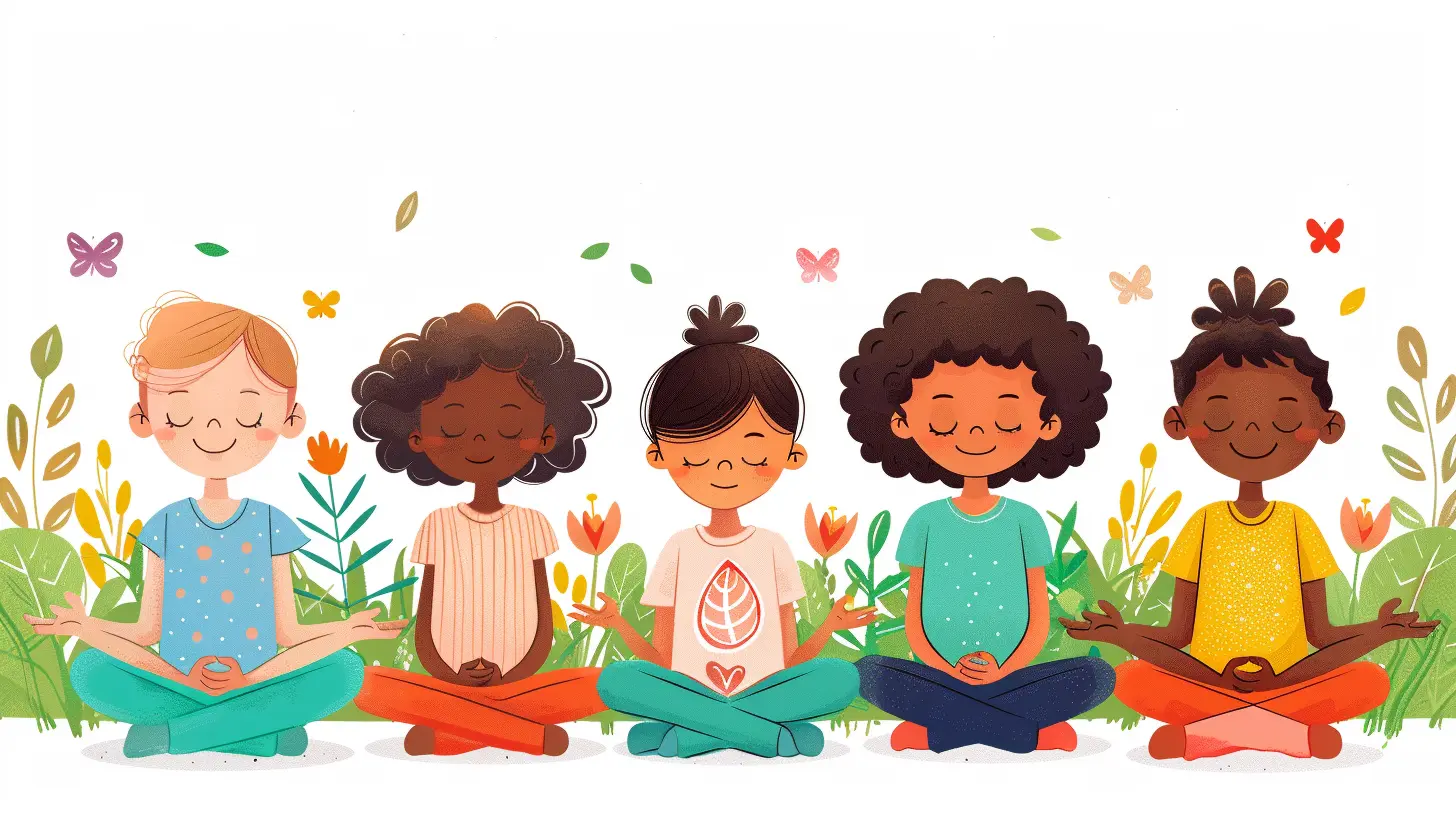
Step 1: Get Staff Buy-In First
Let’s be real—no mindfulness initiative will survive if the adults aren’t on board.Before rolling anything out to students, start with the heart of your school: the teachers and staff. They’re the role models, the emotional thermostats of each classroom. If they’re frazzled, it trickles down.
How to get started:
- Host mindful mornings: Offer 10-minute guided sessions before the school day begins.- Provide professional development: Bring in mindfulness coaches or offer online modules.
- Encourage self-care: Create quiet zones for staff. Even 5 minutes of breathing can change a day.
Remember, this isn’t about adding more to their plate—it’s about giving them the tools to carry the plate with more ease.
Step 2: Start With Simple Practices
You don’t need fancy cushions or incense. Mindfulness isn’t about perfection—it’s about consistency.Easy practices to introduce:
- Mindful breathing: One deep breath in... and out. Even two minutes of this as a class transition is game-changing.- Body scans: A brief check-in from head to toe helps students reconnect with their bodies.
- Gratitude moments: Take 30 seconds to name something you’re grateful for. It shifts the whole vibe.
- Mindful listening: Practice really listening to a partner or a sound—no corrections or distractions.
Keep it short and sweet. Aim for consistency over intensity. Just like brushing your teeth, daily practice builds long-term benefits.
Step 3: Create a Mindful Classroom Environment
Ever walked into a room and instantly felt calmer? That’s the power of environment.Your classroom itself can support mindfulness, just by tweaking a few things:
Tips for a mindful physical space:
- Lighting: Use soft lighting when possible. Harsh fluorescents are nobody’s favorite.- Sound: Play gentle ambient music during quiet work time.
- Visuals: Hang posters with calming affirmations or nature scenes.
- Seating: Offer cozy corners or flexible seating for quiet breaks.
The goal? To make mindfulness not just an activity, but a feeling students experience every day.
Step 4: Make It a School-Wide Effort
Here’s where it gets exciting. Once each classroom plants its mindfulness seeds, the whole school can blossom.Bring everyone together—students, teachers, staff, even parents. Creating a culture of mindfulness takes village-sized energy.
Whole-school ideas:
- Mindful Monday announcements: Start the week with a minute of breathing or a mindful quote over the intercom.- Mindfulness ambassadors: Train a group of students to lead short practices in younger classrooms.
- Mindful moments at assemblies: Begin and end with mindful check-ins.
- Community challenges: Host a 7-day or 30-day mindfulness challenge with rewards and reflections.
- Parent involvement: Offer mindfulness nights or share practices in weekly newsletters so parents can try them at home.
When the entire school speaks the same mindful language, it becomes part of the culture—not just a passing trend.
Step 5: Equip Educators with the Right Tools
Teachers are superheroes—but even superheroes need a toolkit. You wouldn’t send someone into a forest without a map, right? Same goes for mindfulness.Resources that help:
- Apps: Insight Timer, Calm, and Smiling Mind offer short guided practices.- Books: Titles like Mindful Teaching and Teaching Mindfulness or The Mindful Classroom are gold.
- Online courses: Platforms like Mindful Schools and Coursera offer educator-specific trainings.
The more confident teachers feel in leading mindfulness, the more naturally it becomes a part of classroom life.
Step 6: Normalize Setbacks and Keep Going
Let’s be honest—some days will feel messy. Kids might giggle. Teachers might skip the practice. A fire drill might interrupt your perfect breathing session.That’s okay.
Mindfulness is also about accepting things as they come, even when they don’t go according to plan. What matters most is coming back and trying again.
Encourage reflection. Ask, “What worked?” and “What felt off?” Make it safe to experiment and adjust.
Over time, mindfulness becomes less of a thing you “do” and more of a way you “are.”
The Ripple Effect: Beyond the School Walls
Here’s the beautiful part about mindfulness—it doesn’t stop at the school gates.Students who engage in mindfulness take it with them. They bring it to their homes, friendships, jobs, and eventually their own families. It’s a legacy that extends far beyond report cards.
Teachers who embrace mindfulness often find a renewed joy in their work. Fewer burnouts. Deeper connections. Education becomes not just a job, but a meaningful practice of presence.
And when parents partner in this journey, the home-school connection strengthens. The entire community starts to breathe a little easier.
Real Talk: Challenges You Might Face
No initiative is all sunshine and rainbows. Let’s address the bumps:- Skepticism: Some may see mindfulness as too “touchy-feely.” Shift focus to the science-backed benefits—it helps with focus, stress, and behavior.
- Time constraints: Start with micro-practices. Two minutes a day is better than zero.
- Lack of training: Lean on outside resources or partner with local wellness professionals.
Bottom line? Stay patient. Cultural shifts don’t happen overnight, but step by step, you’ll build something lasting.
A Vision for the Future
Imagine walking into a school where students pause before reacting, teachers teach from a place of calm, and administrators lead with empathy.A school where busy minds find quiet moments. Where stress doesn’t run the show. Where kindness is as common as pencils and paper.
That’s not a fantasy. It’s completely possible—with intention, community, and practice.
So, whether you’re a teacher, parent, principal, or student, the journey starts with you. It starts with one breath, one pause, one moment of presence.
Ready to begin?
all images in this post were generated using AI tools
Category:
Mindfulness In EducationAuthor:

Charlotte Rogers
Discussion
rate this article
4 comments
Nico Taylor
This article beautifully highlights the importance of mindfulness in our schools. Building a supportive community around this practice can truly transform our students' well-being and overall learning environment. Thank you!
July 14, 2026 at 5:06 AM
Keira McIntire
Start small, grow together, stay consistent.
May 16, 2026 at 3:55 AM
Charlotte Rogers
Thank you! Absolutely, small steps and consistency are key to building a thriving mindfulness practice together.
Daphne Black
I'm intrigued by the idea of cultivating mindfulness in schools! How can we effectively engage both students and staff in this practice? What are some innovative strategies that have shown success?
April 25, 2026 at 4:05 AM
Charlotte Rogers
To effectively engage students and staff in cultivating mindfulness, consider implementing daily mindfulness moments, integrating mindfulness into existing curricula, and providing dedicated training for educators. Strategies like mindfulness workshops, guided meditation sessions, and creating a calm school environment have shown success in fostering a mindful community.
Ashley Pace
This article offers valuable insights on fostering mindfulness within a school community. By incorporating practices like meditation, breathing exercises, and mindful discussions, educators can create a supportive environment that enhances student well-being and academic performance. A must-read for teachers and administrators looking to promote mindfulness!
April 19, 2026 at 3:01 AM
Charlotte Rogers
Thank you for your thoughtful comment! I'm glad you found the insights valuable for fostering mindfulness in schools. Your support encourages further exploration of these practices!