How to Use Social Media as a Tool for Learning
18 June 2026
Introduction
Once a mere playground for social butterflies, social media has now transformed into an ocean of knowledge, waiting to be explored. It’s no longer just about scrolling mindlessly through endless feeds; it's about harnessing its power to grow, learn, and evolve.
But how do we navigate this vast universe of information without getting lost in the noise? How do we turn social media from a distraction into a dynamic learning tool?
Well, you’re in for a treat! Let's dive into the art of using social media as a powerful tool for education. 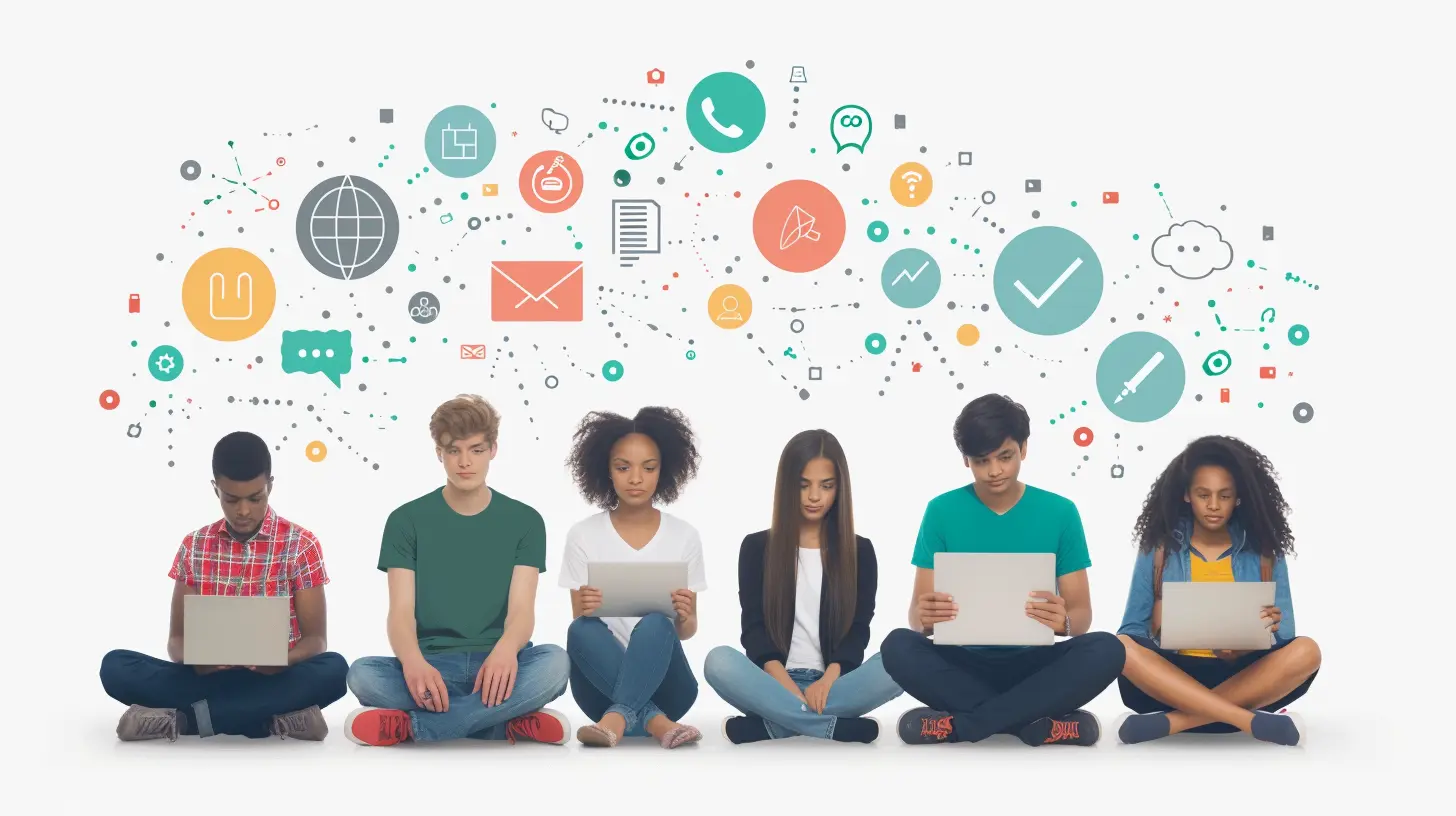
The New Age of Learning
Gone are the days when learning was limited to textbooks, libraries, and classrooms. Today, education fits right into our hands—literally. Social media has created a space where knowledge is shared in real time, breaking down barriers that once confined learning to four walls.Think about it: Have you ever learned a new skill from a YouTube tutorial? Picked up an interesting fact from a tweet? Or maybe even clarified your doubts in a Facebook group? If yes, congratulations! You’ve already tapped into the educational side of social media.
Now, let’s see how to do it more effectively. 
1. Follow Educational Pages and Influencers
The first step to transforming your feed into a learning hub is to follow the right people. Social media is overflowing with educators, industry experts, and knowledge-sharing communities that provide valuable content daily.- Follow pages like TED Talks, National Geographic, NASA, and Harvard Business Review for insightful updates.
- Subscribe to influencers in your niche—whether it’s science, history, finance, or digital marketing.
- Engage with their content, ask questions, and participate in discussions.
With just a few clicks, your timeline will be filled with wisdom rather than meaningless chatter. 
2. Join Learning Communities and Groups
Imagine walking into a room where every person shares your interests. That’s exactly what online learning communities feel like! Facebook Groups, LinkedIn Groups, Discord servers, and Reddit communities are goldmines of knowledge.- Facebook & LinkedIn Groups – Ideal for professional and academic discussions.
- Reddit (Subreddits like r/AskScience, r/ExplainLikeImFive, r/Books) – A great place to ask questions and get well-explained answers.
- Discord Servers – Perfect for engaging in real-time conversations with learners worldwide.
These groups are filled with enthusiasts and experts who are willing to share their knowledge. All you have to do is participate! 
3. Use Twitter (X) As An Information Hub
Twitter (now X) may seem like a chaotic place, but if used wisely, it becomes a treasure trove of knowledge in just 280 characters.Follow top educators, researchers, and industry leaders. Use hashtags like #EdTech, #STEM, #LearnOnTwitter to find educational content. The best part? You can engage directly with experts, ask questions, and even get answers from professionals in real-time.
Twitter threads are another amazing way to consume bite-sized information quickly. Many professionals break down complex topics into simple, easy-to-read threads. Follow the right ones, and your mind will be fed with fresh insights daily.
4. Leverage YouTube for Visual Learning
If a picture is worth a thousand words, a video is worth a million. YouTube is arguably the university of the internet, filled with educational channels that can teach you almost anything.From learning a new language to understanding quantum physics, there's a channel for everything:
- CrashCourse – Simplifies complex subjects like history, sociology, and science.
- Khan Academy – Free tutorials on math, economics, and more.
- Veritasium & Kurzgesagt – Explains science in an engaging way.
- TED-Ed – Short and captivating educational animations.
The best part? You can pause, rewind, and watch again—unlike a traditional classroom!
5. Turn Instagram & TikTok Into Microlearning Platforms
Who said Instagram and TikTok are only for entertainment? While they’re often flooded with memes and dance videos, these platforms also hold a hidden library of bite-sized learning content.- Follow educators, scientists, and creators who share engaging short videos on various topics.
- Use hashtags like #EduTok, #ScienceFacts, #LearnWithMe to discover insightful posts.
- Save and categorize posts so you can revisit them whenever needed.
Microlearning is the future, and these platforms allow you to absorb small chunks of knowledge daily—without feeling overwhelmed.
6. Engage in Live Sessions & Webinars
Social media has erased geographical boundaries, allowing us to attend live lectures and webinars anytime, anywhere. Platforms like Instagram, Facebook, LinkedIn, and YouTube host live sessions where experts share their experiences and insights.- Participate in Q&A sessions with educators, authors, and professionals.
- Attend live workshops on skills like coding, writing, and photography.
- Ask questions in real-time, just like you would in a classroom!
This interactive way of learning makes education more engaging than ever before.
7. Use Pinterest for Visual Learning & Organization
Think of Pinterest as a giant corkboard where you can pin anything and everything useful. It’s an underrated educational tool that helps organize and discover new learning resources effortlessly.- Save infographics, study guides, and research papers to your boards.
- Create separate boards for different subjects—science, business, self-improvement, language learning, etc.
- Follow educational content creators who share helpful resources.
Pinterest simplifies learning by allowing you to visually store and revisit information whenever needed.
8. Practice What You Learn By Teaching Others
There’s a saying: The best way to learn is to teach. Social media makes this incredibly easy.- Start a blog, YouTube channel, or Instagram page sharing what you’ve learned.
- Post Twitter threads or LinkedIn articles summarizing key concepts.
- Join discussion forums and answer questions in your area of expertise.
By sharing knowledge, you’re not only helping others but also reinforcing your own understanding.
9. Stay Mindful: Avoid the Social Media Black Hole
While social media is a fantastic learning tool, it’s also a double-edged sword. It’s easy to get distracted and fall into an endless loop of scrolling.So, how do you stay on track?
- Use time-management apps like Forest or StayFocusd to limit distractions.
- Follow only relevant pages and unfollow unnecessary accounts that add no value.
- Schedule learning time on social media to stay disciplined.
With proper balance, social media can be a game-changer in your learning journey.
Conclusion
Social media is no longer just a place for selfies, memes, and viral trends—it’s a boundless library of knowledge, waiting to be explored. Whether it’s YouTube tutorials, Twitter threads, Instagram micro-lessons, or engaging discussions in online communities, you hold the power to turn every scroll into a step towards growth.All it takes is intentionality and discipline. So, why not start today?
Remember: Learning is a lifelong adventure, and social media is just one of the many tools to guide you along the way.
all images in this post were generated using AI tools
Category:
Adult EducationAuthor:

Charlotte Rogers
Discussion
rate this article
3 comments
Skyler Harper
Social media is a powerful educational tool when used strategically. By engaging with diverse perspectives, sharing knowledge, and collaborating with peers, learners can enhance their understanding and foster a vibrant community that supports continuous growth and exploration.
June 24, 2026 at 3:47 AM
Cypher Mendoza
Social media is a powerful learning tool. Embrace its potential to connect, collaborate, and share knowledge effectively in today’s digital landscape.
June 21, 2026 at 4:47 AM
Charlotte Rogers
Absolutely! Social media enhances learning by fostering connections and facilitating knowledge sharing, making it an invaluable resource in our digital age.
Kristen McLean
Thank you for this insightful article! I appreciate the practical tips on leveraging social media for learning. It's a powerful tool that can enhance collaboration and access to diverse resources. Looking forward to more discussions!
June 18, 2026 at 10:27 AM
Charlotte Rogers
Thank you for your kind words! I'm glad you found the tips helpful. I'm excited for more discussions too!