Why Early Literacy Skills Are Essential for Future Academic Success
11 March 2026
Introduction
Imagine a child building a house with toy blocks. If the foundation is weak, the entire structure wobbles and eventually collapses. The same concept applies to education. Early literacy skills form the foundation of a child’s academic journey, impacting everything from comprehension to critical thinking.
But why are these skills so crucial? And how can parents and educators foster them from an early age? Let’s dive deep into the world of early literacy and understand why it’s the key to a brighter academic future. 
The Lifelong Impact of Early Literacy
Early literacy isn’t just about learning to read—it’s about developing the ability to process, understand, and communicate ideas effectively. From the moment a child starts recognizing letters to forming complete sentences, every step they take shapes their brain development and future success.Builds Strong Cognitive Skills
Young minds are like sponges—they absorb information at an astonishing rate. When exposed to books, storytelling, and conversations at an early age, children develop critical cognitive skills. These skills influence their problem-solving abilities, attention span, and overall intelligence.Think of early literacy as exercise for the brain. The more exposure a child gets to words, the stronger their neural connections become. This, in turn, makes it easier for them to excel in complex subjects like math, science, and even social studies.
Enhances Vocabulary and Communication
Ever noticed how children who are read to frequently tend to speak more fluently? That’s because exposure to language helps them grasp new words and sentence structures effortlessly.Strong early literacy skills enable children to express themselves clearly, leading to better communication with peers, teachers, and, eventually, employers. The ability to articulate thoughts effectively can open doors in both academic and professional settings.
Prepares Kids for Advanced Learning
A solid literacy background ensures that children are well-prepared for future learning experiences. Whether it’s understanding word problems in math or analyzing literature in English class, literacy plays a role in every subject.Children who struggle with reading often find it difficult to keep up in other areas, creating a ripple effect that can impact their confidence and overall academic performance. On the flip side, kids who master early literacy skills have an easier time absorbing new concepts, leading to greater academic success. 
The Emotional and Social Benefits of Early Literacy
Academics aside, early literacy fosters emotional intelligence and social skills. These benefits extend far beyond the classroom, shaping children into well-rounded individuals.Boosts Confidence and Self-Esteem
Imagine trying to participate in class discussions without understanding the material. Frustrating, right? Children who develop strong literacy skills early on feel more confident in their abilities, which encourages them to engage in learning rather than shy away from challenges.When kids recognize words, read sentences fluently, and understand their lessons, they feel a sense of accomplishment. This confidence spills over into other aspects of life, helping them navigate challenges with a positive mindset.
Strengthens Parent-Child Bonds
Reading together isn’t just an educational activity—it’s a bonding experience. When parents read to their children, it fosters a sense of security, love, and connection.Additionally, these shared moments create a lifelong love for reading, encouraging children to explore books on their own as they grow older. And let’s be honest, nothing beats the joy of snuggling up with a bedtime story!
Encourages Social Interactions
Children with strong literacy skills tend to engage more in conversations, making it easier to form friendships and interact with peers. They understand instructions better, participate actively in discussions, and collaborate effectively with classmates. In a world where communication is key, these skills prove invaluable.
How Can Parents and Educators Support Early Literacy?
Now that we know why early literacy is vital, the next question is: How can we nurture these skills in young children? The good news is, fostering literacy doesn’t have to be complicated or expensive.1. Make Reading a Daily Habit
Consistency is key. Set aside time each day to read with your child, whether it’s a bedtime story, a morning routine, or a fun reading session in the afternoon. The more they are exposed to books, the more familiar they become with words and sentence structures.2. Create a Print-Rich Environment
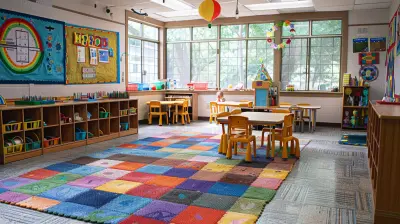
Children learn by observation. Surround them with books, labels, posters, and anything that incorporates written words. Even something as simple as pointing out signs at the grocery store can help them associate words with meaning.3. Encourage Storytelling and Conversations
Let children express themselves! Ask open-ended questions, encourage them to narrate their day, and listen actively. This helps with vocabulary development and enhances their ability to construct sentences.4. Introduce Phonics and Word Play
Make learning fun with word games, rhymes, and phonics activities. Singing songs, clapping syllables, and playing alphabet puzzles are great ways to engage kids in literacy without making it feel like a chore.5. Lead by Example
Children imitate what they see. If they see parents and teachers enjoying books, they’re more likely to develop the same enthusiasm. Show them that reading isn’t just a school task—it’s a lifelong adventure.6. Use Technology Wisely
While screen time should be balanced, educational apps and audiobooks can enhance literacy skills when used appropriately. Interactive storytelling apps and e-books can be a great supplement to traditional reading.
The Long-Term Consequences of Poor Literacy Skills
Failing to build strong literacy skills early on can create significant roadblocks in a child’s academic journey. The consequences often extend into adulthood, affecting career opportunities and quality of life.Struggles in School Performance
Children who lack foundational literacy skills often face difficulties in reading comprehension, writing, and critical thinking. This struggle can lead to poor grades, frustration, and disengagement from learning altogether.Higher Dropout Rates
Studies show that students who fall behind in literacy during their early years are more likely to drop out before completing high school. A lack of reading proficiency makes it challenging to keep up with coursework, leading some students to give up entirely.Limited Career Opportunities
In today’s competitive job market, strong literacy skills are essential. From writing resumes to reading job descriptions, literacy plays a vital role in securing employment. Adults with poor literacy skills often face limited career growth and lower earning potential.Increased Risk of Social and Emotional Struggles
Poor literacy can lead to feelings of embarrassment, low self-esteem, and social isolation. Struggling with reading and communication can make it difficult to form meaningful relationships, leading to long-term emotional challenges.Conclusion
Early literacy skills are the foundation of academic success, shaping a child’s cognitive, emotional, and social development. By fostering a love for reading and language from an early age, parents and educators can set children up for a lifetime of opportunities.So, if you have a young child in your life, remember that every bedtime story, every silly rhyme, and every conversation contributes to their future success. Investing in early literacy isn’t just about helping kids read—it’s about giving them the key to unlock their full potential.
all images in this post were generated using AI tools
Category:
Early LiteracyAuthor:

Charlotte Rogers
Discussion
rate this article
4 comments
Joel Oliver
This article highlights the crucial role early literacy skills play in a child’s academic journey. By laying a strong foundation in reading and writing, children not only enhance their cognitive abilities but also boost their confidence. Investing in early literacy can yield long-term benefits for educational achievement and personal development.
March 20, 2026 at 12:43 PM
Charlotte Rogers
Thank you for your insight! I completely agree—early literacy lays the groundwork for lifelong learning and confidence.
Colin Powell
Early literacy skills lay the foundation for future academic achievement, enhancing critical thinking, communication, and comprehension abilities essential for lifelong learning and personal development.
March 16, 2026 at 9:59 PM
Charlotte Rogers
Thank you for your insightful comment! I completely agree—early literacy indeed plays a crucial role in shaping critical skills that are vital for ongoing academic and personal growth.
Zander McHugh
Imagine teaching a baby to read while juggling bananas! 🍌 Early literacy isn’t just about books; it’s the secret sauce for future academic success. Let’s blend creativity and learning—because who doesn’t want a scholarly smoothie?" 📚✨
March 15, 2026 at 12:29 PM
Charlotte Rogers
Absolutely! Early literacy blends creativity and learning, setting the stage for academic success while making the journey enjoyable and engaging! 🍌📚✨
Matteo McKinstry
Early literacy is the launchpad for lifelong learning, shaping not just reading skills but critical thinking and creativity. Invest in literacy today for a smarter tomorrow!
March 15, 2026 at 4:57 AM
Charlotte Rogers
Absolutely! Early literacy indeed lays the foundation for critical thinking and creativity, crucial for lifelong learning and academic success. Investing in these skills is essential for a brighter future.