Mindfulness Activities to Foster Creativity in Students
18 July 2026
Creativity is the heartbeat of innovation, and in today’s fast-paced world, nurturing it in students is more important than ever. But with all the distractions—social media, academic pressure, and the constant buzz of technology—it can be tough for students to tap into their creative side.
That’s where mindfulness comes in. Mindfulness isn’t just about meditation or deep breathing; it's about being present, aware, and fully engaged in the moment. By integrating mindfulness activities into daily routines, students can unlock their creative potential, think more freely, and express themselves in unique ways.
In this article, we’ll dive into some powerful mindfulness activities that can foster creativity in students. Whether it’s through journaling, visualization, or movement-based exercises, these techniques will help students break free from creative blocks and cultivate fresh ideas. 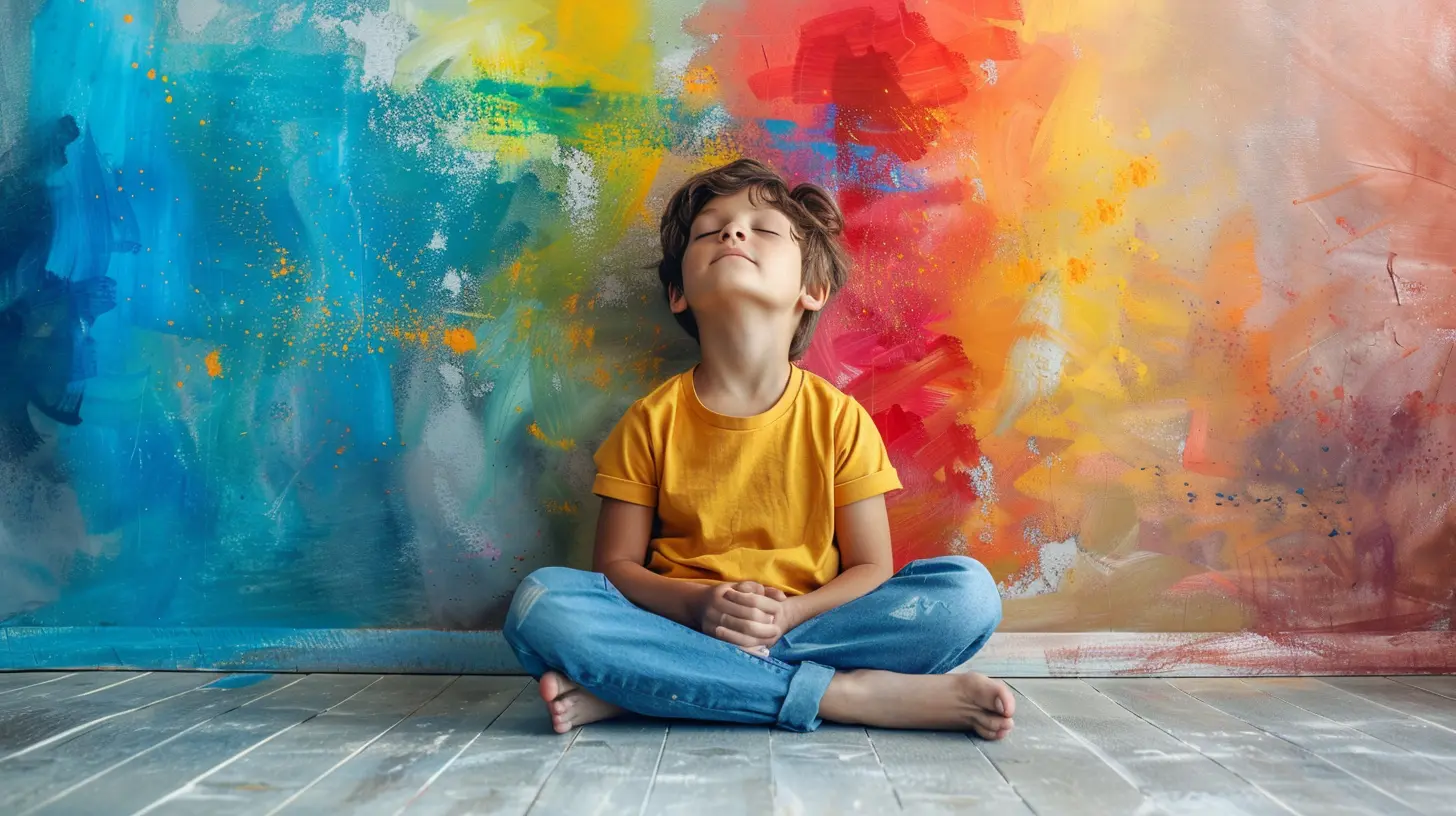
Why Mindfulness Boosts Creativity
Before jumping into the activities, let’s first understand the link between mindfulness and creativity.When students practice mindfulness, they are training their brain to focus on the present, rather than worrying about the past or stressing about the future. This shift helps turn down the mental noise, allowing creative thoughts to rise to the surface.
Mindfulness enhances creativity by:
- Reducing stress and anxiety – A calm mind is more open to new ideas.
- Increasing focus – Less distraction means clearer, more original thinking.
- Encouraging curiosity – A mindful mindset fosters a sense of wonder and exploration.
- Breaking through mental blocks – Letting go of self-doubt and judgment allows creativity to flow freely.
Now, let’s dive into the mindfulness activities that can help students nurture their creativity. 
1. Mindful Breathing for Mental Clarity
Ever felt like your mind is cluttered with too many thoughts? That’s where mindful breathing comes in. A simple breathing exercise can clear mental fog and make room for creative ideas.How to Practice:
1. Find a quiet place and sit comfortably.2. Close your eyes and take a deep breath in through your nose. Hold it for a few seconds.
3. Slowly exhale through your mouth. Focus on the rise and fall of your breath.
4. Repeat this for 2-5 minutes.
This activity helps students calm their restless minds, making space for fresh thoughts and inspiration to emerge. 
2. Free Writing to Spark New Ideas
Writing without judgment is one of the best ways to get creative juices flowing. Free writing allows students to express their thoughts without restrictions, helping them discover new ideas.How to Practice:
1. Set a timer for 5-10 minutes.2. Write continuously without stopping. Ignore grammar, spelling, or punctuation.
3. Let thoughts flow naturally—no self-editing!
4. Once the timer goes off, read what was written and highlight any inspiring ideas.
This technique helps students overcome writer’s block and encourages authentic expression. 
3. Guided Visualization for Imagination Boost
Visualization is a powerful mindfulness tool that can boost creativity by activating the imagination.How to Practice:
1. Close your eyes and take a few deep breaths.2. Imagine a peaceful place—perhaps a forest, a beach, or even an imaginary world.
3. Engage the senses. What do you see? Hear? Smell? Feel?
4. Stay in this scene for a few minutes, then slowly bring your awareness back.
By regularly practicing visualization, students can enhance their ability to create vivid ideas and stories.
4. Mindful Doodling for Creative Freedom
Sometimes, words just aren’t enough. That’s where doodling comes in! Mindful doodling is a fun way to let creativity flow freely.How to Practice:
1. Grab a pen and paper.2. Start drawing whatever comes to mind—random shapes, patterns, or simple sketches.
3. Focus on the process rather than the result.
4. Let the mind wander and enjoy the act of doodling.
This exercise allows students to express themselves visually without fear of judgment, unlocking new creative ideas.
5. Walking Meditation for Fresh Perspectives
Physical movement can stimulate the brain and generate new ideas. Walking meditation is a mindfulness activity that combines movement with awareness.How to Practice:
1. Take a slow, intentional walk, preferably in nature.2. Pay attention to each step—how your foot touches the ground, the rhythm of your stride.
3. Observe your surroundings without labeling them.
4. Let thoughts come and go without attachment.
This practice encourages students to see the world through a fresh lens, sparking creativity through observation.
6. Gratitude Journaling to Cultivate Positivity
Creativity thrives in a positive mindset. A simple gratitude journal can shift a student’s perspective and encourage a more open, creative outlook.How to Practice:
1. At the end of each day, write down three things you’re grateful for.2. Be specific—focus on small details.
3. Reflect on how these moments made you feel.
A gratitude journal helps students stay mindful of the positive aspects of their lives, which in turn nurtures a more creative mindset.
7. Color Mindfulness for Relaxation and Expression
Colors have a profound impact on emotions and creativity. Mindfully engaging with colors can help students tap into their artistic side.How to Practice:
1. Use colored pencils or paints to fill in a blank page.2. Pay attention to how each color makes you feel.
3. Experiment with blending and layering colors.
4. Express emotions through the choice of colors and strokes.
This activity is a great way for students to unwind while stimulating their creative instincts.
8. Listening to Music Mindfully
Music has the power to transport us into different emotional states. Mindful listening to music can inspire new ideas and perspectives.How to Practice:
1. Choose an instrumental or calming piece of music.2. Close your eyes and focus solely on the sounds.
3. Notice the different instruments, rhythms, and tones.
4. Let the music influence your thoughts and emotions.
By truly immersing in music, students can enhance their ability to think creatively and express emotions in new ways.
9. Mindful Storytelling for Imaginative Thinking
Storytelling isn’t just for writers—it’s a powerful creativity booster for everyone!How to Practice:
1. Pick an object in the room.2. Create a short story about its origin, purpose, or secret life.
3. Let the story unfold naturally—be as imaginative as possible!
This activity encourages students to think outside the box and find creative meaning in everyday objects.
10. Silent Observation to Strengthen Awareness
Sometimes, all it takes is a fresh perspective to spark creativity. Silent observation trains students to notice details they might otherwise overlook.How to Practice:
1. Sit in a park, a café, or another public place.2. Observe people, objects, and movements without forming opinions.
3. Take mental notes about interesting details.
4. Later, use these observations to create a story, drawing, or poem.
This practice sharpens awareness and helps students draw inspiration from the world around them.
Final Thoughts
Mindfulness isn't just about relaxation—it’s a gateway to creativity. By incorporating these mindfulness activities into their daily routine, students can tap into their natural creativity, find inspiration in unexpected places, and develop a deeper connection with their imagination.Whether it’s through breathing exercises, journaling, or mindful doodling, there’s a mindfulness activity for everyone. Encouraging students to slow down, be present, and embrace their thoughts without judgment can lead to some truly remarkable creative breakthroughs.
So, why not give these activities a try? Who knows—students might just surprise themselves with their creative potential!
all images in this post were generated using AI tools
Category:
Mindfulness In EducationAuthor:

Charlotte Rogers