Montessori and Technology: Finding the Right Balance
28 April 2026
Technology is everywhere—it’s in our homes, schools, and even in our pockets. But when it comes to education, especially in Montessori learning, how much tech is too much? Montessori education is rooted in hands-on, experiential learning, so where does technology fit in? Let’s break it down and find the right balance between screens and traditional Montessori methods.

The Montessori Approach to Learning
Before we dig into the tech debate, let’s first understand what Montessori education is all about. Developed by Dr. Maria Montessori in the early 1900s, this approach focuses on self-directed learning, hands-on activities, and fostering independence.In a Montessori classroom, you'll find children working with materials that engage their senses—wooden blocks, sandpaper letters, counting beads—tools designed to enhance learning through touch, movement, and exploration. The goal is to create a natural desire to learn instead of just memorizing facts. But in this digital age, can we integrate technology without compromising Montessori principles?
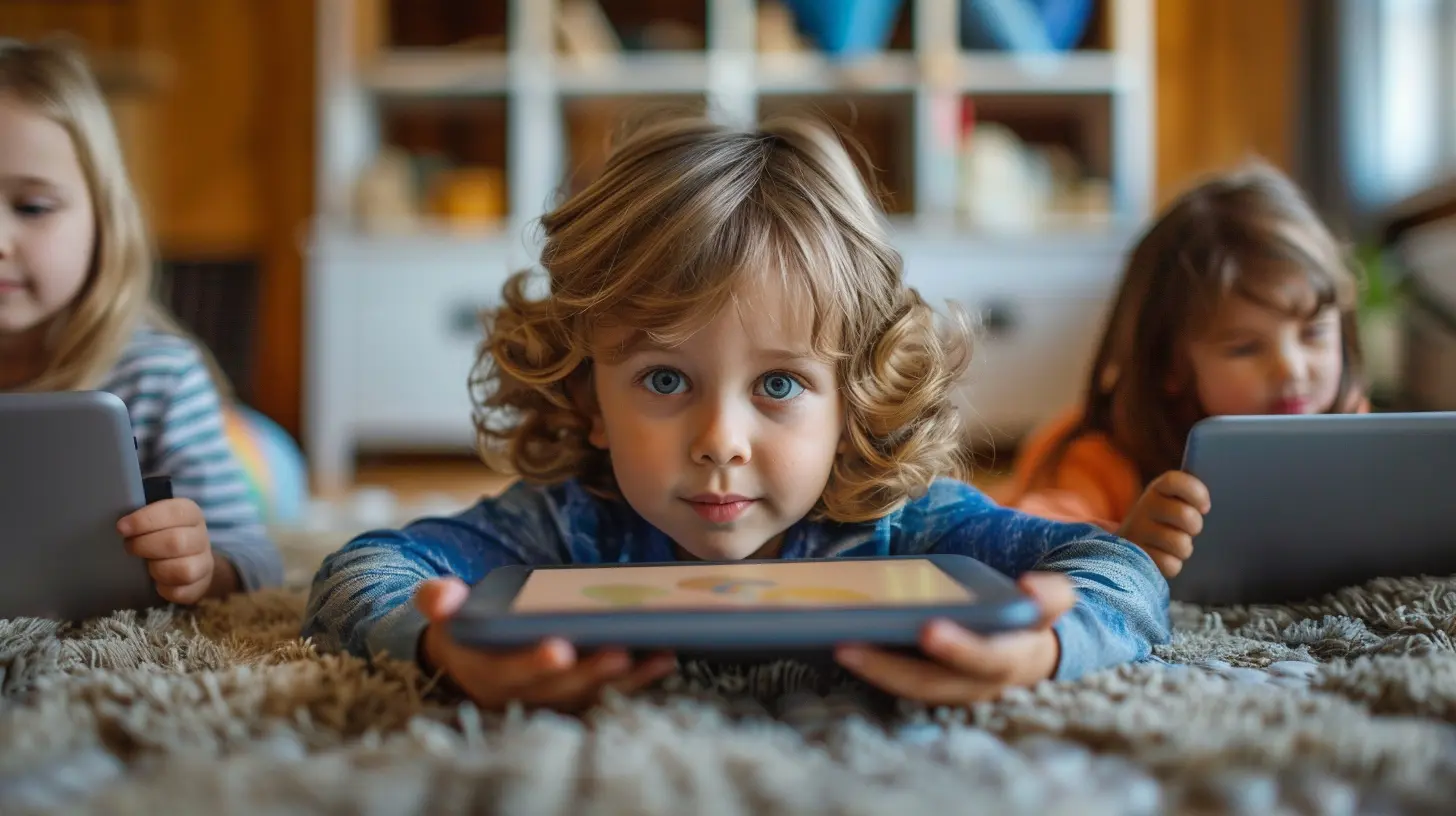
The Pros of Technology in Montessori Education
Technology, when used correctly, can actually complement Montessori education. It’s all about how we use it. Let’s look at some ways it can enhance learning:1. Access to a World of Information
The internet provides a vast ocean of knowledge. Want to learn about the solar system? A child can explore interactive models, watch educational videos, or even take a virtual tour of space. When used appropriately, technology can support independent learning—a core Montessori principle!2. Personalized Learning
One of the biggest advantages of technology is the ability to tailor learning experiences to each child. Educational apps and platforms can adapt to a child’s skill level, offering challenges just right for them. This mirrors the Montessori approach of letting children learn at their own pace.3. Developing Digital Literacy
In today’s world, digital literacy is just as important as reading and writing. Teaching children how to use technology responsibly ensures they’re prepared for the future. Learning how to research, evaluate sources, and even create digital projects can be valuable skills.4. Supporting Special Needs Learners
For children with learning disabilities, technology can be a game-changer. Speech-to-text tools, audiobooks, or visual learning apps can help kids overcome barriers that traditional learning methods may not fully address.
The Downside: Why Technology Can Be a Double-Edged Sword
While technology has its benefits, it’s not without its downsides—especially in a Montessori setting that values hands-on learning. Here are some concerns:1. Less Hands-On Engagement
One of the hallmarks of Montessori education is tactile learning. Screens don’t offer the same sensory experience as physical materials. There’s a big difference between touching real counting beads and dragging digital ones across a screen.2. Reduced Focus and Attention Span
Let’s face it—screens can be distracting. With constant notifications and flashy animations, children may struggle to focus on deep learning. Montessori promotes concentration, and too much screen time could hinder this important developmental skill.3. Limited Social Interaction
In a Montessori classroom, kids collaborate, discuss ideas, and learn from one another. Excessive technology use can limit these face-to-face interactions. While online tools can foster communication, they can never fully replace in-person connections.4. Screen Time and Health Concerns
Too much screen time can lead to issues like eye strain, poor posture, and even sleep disturbances. The American Academy of Pediatrics suggests limited screen use for young children, reinforcing the need for balance.
Finding the Right Balance: Integrating Technology the Montessori Way
So how do we embrace technology without undermining Montessori principles? Here’s the key: intentional use. Instead of allowing screens to take over, they should serve as a tool—much like Montessori materials. Here’s how:1. Prioritize Hands-On Learning First
Technology should never replace hands-on activities. Before a child watches a video about volcanoes, let them build a model. Before learning letters on an app, let them trace sandpaper letters. Screens should complement, not replace, real-world learning.2. Set Healthy Screen Time Limits
Less is more when it comes to young learners. Following pediatric guidelines, keep screen time minimal for preschoolers and use it more selectively as kids grow older. Technology should be a supplement, not the backbone, of the learning process.3. Choose Quality Educational Resources
Not all educational apps and websites are created equal. Choose interactive tools that encourage problem-solving, creativity, and exploration. Look for Montessori-aligned apps that focus on self-directed learning rather than passive consumption.4. Encourage Active, Not Passive, Screen Use
There’s a difference between watching TV for hours and using a coding app to create a project. Encourage kids to engage actively with technology—whether it’s programming, researching, or creating digital art.5. Promote Real-World Connections
If a child learns about butterflies using an app, take them outside to observe real butterflies. If they explore geography on an interactive map, give them a physical globe to spin. Technology should always lead back to the real world, reinforcing Montessori’s emphasis on experiential learning.6. Teach Digital Responsibility
Just as Montessori promotes independence in the physical world, we should teach children to navigate the digital world responsibly. Teach them about online safety, digital etiquette, and the importance of using technology mindfully.Technology and Montessori at Home
For parents practicing Montessori at home, technology poses an everyday challenge. How can you make sure screen time is intentional and beneficial?- Be a Role Model – Kids mimic what they see. If they see you using technology purposefully—reading articles, learning new skills—they’ll do the same.
- Establish “Tech-Free” Zones – Keep screens out of bedrooms, mealtimes, and family gatherings. This helps maintain a natural learning environment.
- Use Tech as a Learning Tool – Instead of passive entertainment, use technology for educational purposes—virtual museum tours, language apps, or DIY STEM projects.
Conclusion: Striking the Perfect Balance
Montessori and technology don’t have to be at odds. When used thoughtfully, technology can enhance learning without disrupting Montessori principles. The key lies in balance—prioritizing hands-on experiences while using digital tools intentionally.At the end of the day, technology is just another tool. Like a paintbrush, a book, or a set of Montessori beads, its value depends on how we use it. The goal isn’t to avoid tech altogether but to integrate it in a way that aligns with the Montessori philosophy—encouraging curiosity, independence, and deep, meaningful learning.
all images in this post were generated using AI tools
Category:
Montessori EducationAuthor:

Charlotte Rogers
Discussion
rate this article
4 comments
Jude McAndrews
Great article! Balancing Montessori principles with technology can empower our kids to thrive. Embrace the joy of learning through both hands-on activities and digital tools—it's all about enhancing their natural curiosity! Keep inspiring!
July 26, 2026 at 12:28 PM
Juniper Stevens
Great insights! Balancing Montessori principles with technology is essential for effective learning.
May 30, 2026 at 2:43 AM
Charlotte Rogers
Thank you! I’m glad you found the insights valuable. Balancing Montessori principles with technology is indeed crucial for fostering effective learning.
Carly Newman
Embracing the right blend of Montessori principles and technology can empower our children to thrive in a digital world! Let’s nurture their creativity and independence while guiding them to use technology as a tool for exploration and learning. The future is bright!
May 6, 2026 at 4:24 AM
Charlotte Rogers
Absolutely! Striking the right balance between Montessori principles and technology is key to fostering creativity and independence in our children. Together, we can equip them for a bright future!
Avianna McGinnis
Great insights! Striking a balance between Montessori principles and technology is essential for fostering creativity and independence in our children.
May 5, 2026 at 3:08 AM
Charlotte Rogers
Thank you! I completely agree—finding that balance is key to supporting our children's growth in a tech-driven world.