Montessori and the Development of Concentration in Children
16 June 2026
Ever noticed how a toddler can stack blocks with laser focus, utterly ignoring the chaos around them? That’s concentration in its purest form. But how do we nurture and develop this incredible skill as they grow?
Enter the Montessori method—a game-changer when it comes to fostering deep concentration in children. Unlike traditional education systems that expect kids to sit still and pay attention through sheer willpower, Montessori taps into their natural interests, making focus something they want to do, not something they have to do.
So, grab a cup of coffee (or a juice box if you’re joining in with the kids), and let’s dive into how Montessori encourages deep concentration and why that matters for your child’s development.

What is Concentration, and Why Does It Matter?
Concentration isn’t just about paying attention in school. It’s the foundation of learning, problem-solving, and, let’s face it, being a functional human being. Strong concentration skills allow kids to absorb information deeply, master skills faster, and develop patience and perseverance.In today’s world, distractions are everywhere. From the constant pings of notifications to the lure of endless entertainment, kids (and adults) struggle to focus. That’s exactly why fostering concentration early on is so essential—it sets children up for success in school, work, and life.
How the Montessori Method Boosts Concentration
Dr. Maria Montessori believed that children naturally seek out activities that engage their minds. Instead of forcing concentration, Montessori environments create the perfect conditions for it to flourish. Let’s break down how this happens:1. Freedom Within Limits
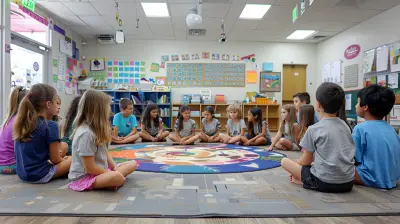
Imagine walking into a Montessori classroom—it’s not rows of desks with kids staring blankly at a chalkboard. Instead, it's a carefully designed space where children can move freely, choose their work, and engage with hands-on materials. But here’s the twist—this freedom comes with structure.Kids can pick activities that interest them, but they also learn to work independently, finish tasks, and respect the space around them. This balance between autonomy and responsibility creates a natural sense of discipline, leading to better focus.
2. Hands-On Learning Keeps the Brain Engaged
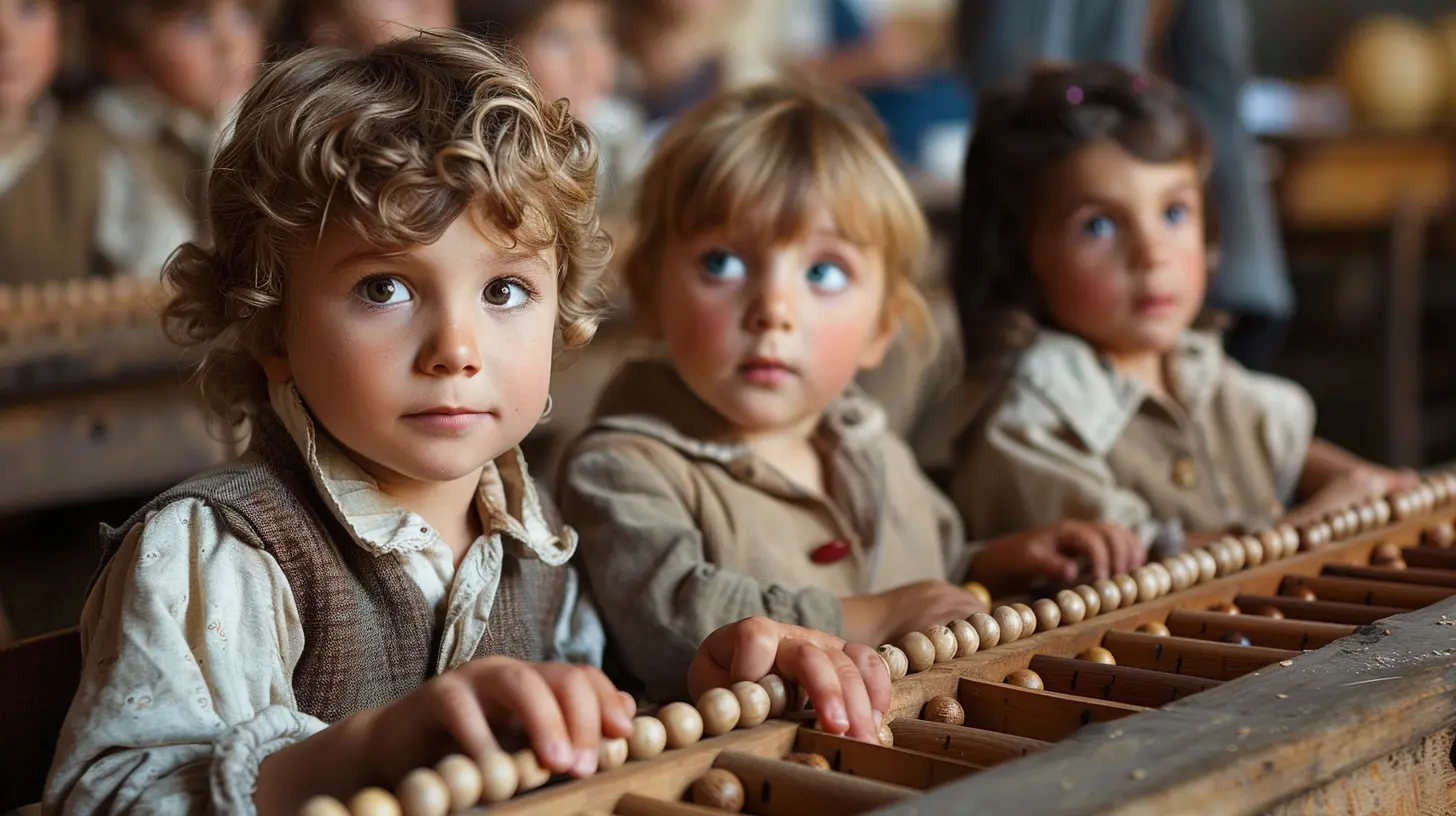
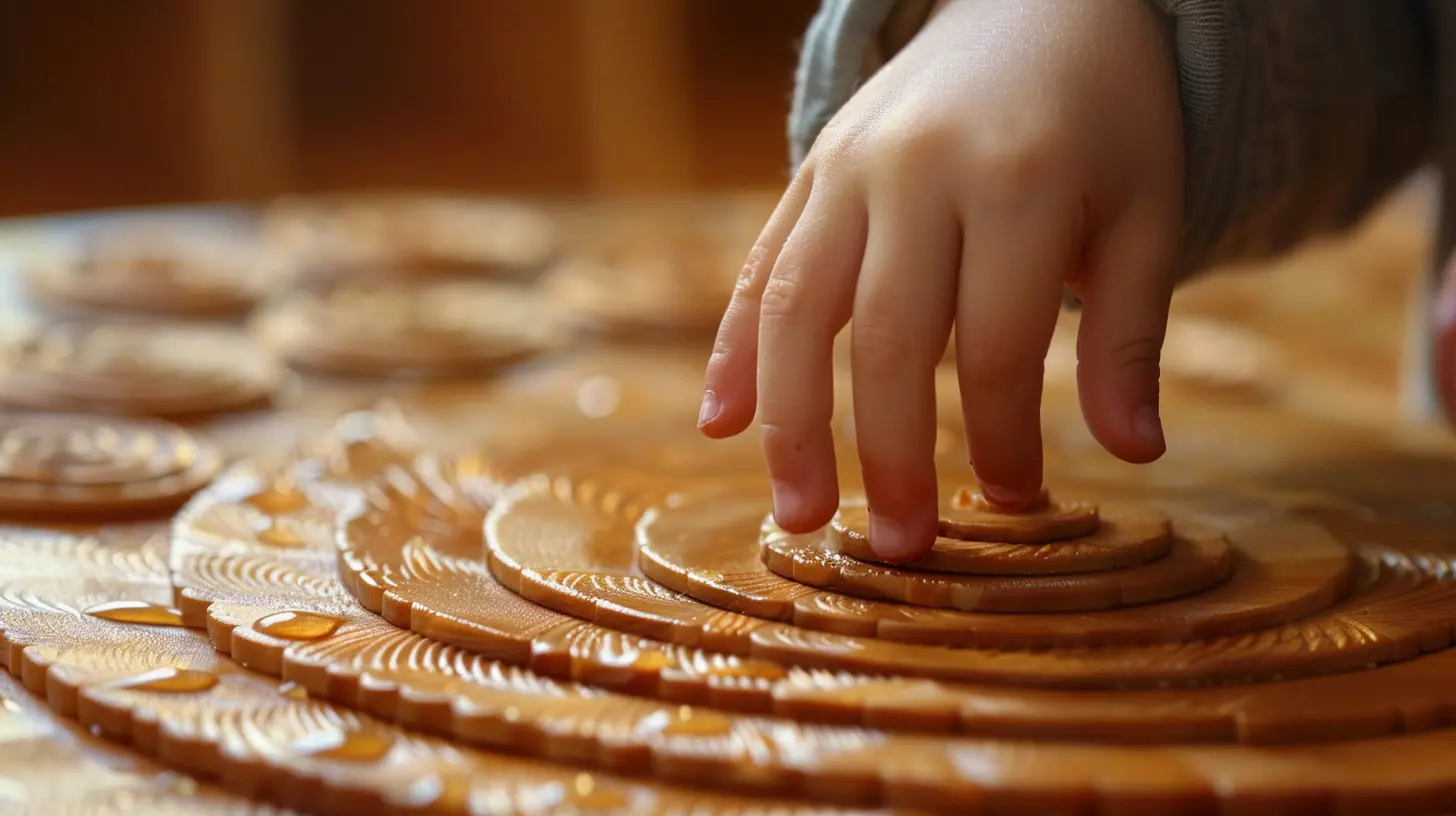
Let’s be real—kids don’t want to just sit and listen to lectures. They want to do things! That’s why Montessori materials are hands-on, helping children grasp abstract concepts through tangible experiences.Take the Montessori Pink Tower, for instance. It’s not just a set of blocks; it’s a carefully designed tool that teaches kids about size, sequencing, and spatial awareness—all while keeping them totally absorbed in the task. When children engage with materials physically, they’re more likely to stay focused and internalize what they’re learning.
3. Uninterrupted Work Periods
In most traditional schools, kids are constantly being shuffled from one activity to the next—barely getting the chance to dive deep into anything. Montessori flips the script by offering long, uninterrupted work periods (typically two to three hours).This may sound like a long stretch, but here’s the magic: when kids are given the time to engage with something they’re interested in, they enter a state of flow—think of it as being "in the zone." This deep concentration leads to better learning, greater satisfaction, and—believe it or not—happier kids.
4. Multi-Age Classrooms Encourage Focus & Mentorship
Montessori classrooms mix different ages together, usually spanning three years. This might seem strange at first, but it’s actually a brilliant way to foster concentration.Older children become mentors, reinforcing their own knowledge by helping younger peers. Meanwhile, younger students are motivated to stay engaged because they see the older kids mastering skills they aspire to learn. There are fewer distractions because the environment is built on mutual respect and collaborative learning.
5. A Prepared Environment Designed for Deep Focus
Ever tried working in a cluttered, noisy space? Nearly impossible, right? Montessori classrooms are carefully arranged to minimize distractions while inviting curiosity.Everything in the room has a purpose—from the neatly organized shelves to the calming colors. Even the furniture is designed for little hands, making it easier for kids to focus on learning instead of fumbling with oversized chairs and tables.
6. Self-Correction Leads to Independent Thinking
One of the most fascinating aspects of Montessori materials is that they often include built-in self-correction. For example, a child working with a shape puzzle quickly realizes if a piece doesn’t fit—they don’t need an adult hovering over them to point it out.This self-correcting process helps children develop problem-solving skills while keeping them engaged in the learning process. Instead of seeking external validation, they learn the joy of figuring things out for themselves—building confidence and concentration along the way.
The Science Behind Montessori & Concentration
If all of this sounds too good to be true, science backs it up. Studies show that children in Montessori programs tend to have better attention spans, executive function, and self-discipline compared to their peers in traditional schooling.One study published in Frontiers in Psychology found that Montessori students displayed higher levels of intrinsic motivation—meaning they engaged in tasks for the sheer joy of learning, not just for external rewards like grades or praise. This deeply ingrained motivation naturally leads to better concentration because the desire to focus comes from within, not from external pressure.

How Parents Can Apply Montessori at Home
You don’t need to transform your home into a full-blown Montessori classroom to benefit from these principles. Here are some simple ways to encourage concentration at home:- Create a dedicated, clutter-free learning space – A quiet, tidy area helps signal to your child that it’s time to focus.
- Encourage independent play – Let your child engage deeply in activities without interrupting them.
- Offer hands-on materials – Simple puzzles, blocks, and sensory activities work wonders.
- Stick to routines – Predictability helps children feel secure, making it easier for them to concentrate.
- Limit distractions – Try to reduce background noise from TV or digital devices when your child is engaged in an activity.
Final Thoughts
The ability to concentrate is one of the most valuable skills a child can develop, and Montessori education nurtures it in the most natural way possible. By creating an environment that respects a child’s natural rhythms, encourages curiosity, and fosters independence, Montessori sets the stage for lifelong learning and success.So, the next time you see a child lost in deep concentration—whether it’s stacking blocks or carefully pouring water from one cup to another—know that they’re not just playing. They’re building focus, patience, and a love for learning that will stay with them forever.
all images in this post were generated using AI tools
Category:
Montessori EducationAuthor:

Charlotte Rogers
Discussion
rate this article
3 comments
Rocco McWilliams
Like a ninja in a library, Montessori empowers kiddos to focus while dodging distractions with style!
June 21, 2026 at 11:29 AM
Charlotte Rogers
Thank you! Montessori truly fosters a unique environment where children can develop their concentration skills while embracing their individuality.
Kendra Beck
Montessori: where kids learn to concentrate so well, they could probably focus on a snail race for hours! Who knew patience was a superpower in disguise?
June 18, 2026 at 10:27 AM
Merida McIlroy
This approach beautifully nurtures children’s focus, fostering both independence and a love for learning.
June 17, 2026 at 1:04 PM
Charlotte Rogers
Thank you! I'm glad you found the approach effective in nurturing focus and independence in children.