How Music Education Can Help with ADHD
9 December 2025
Living with ADHD (Attention-Deficit/Hyperactivity Disorder) can feel like trying to juggle while riding a roller coaster. It’s a whirlwind of distractions, hyperactivity, impulse decisions, and a constant struggle to focus. For parents, educators, and even adults with ADHD themselves, figuring out how to manage it can be exhausting.
But what if I told you that something as joyful and expressive as music could be a powerful tool in helping manage ADHD symptoms? Yeah, you heard that right.
Let’s dive into how music education can be a game-changer for individuals with ADHD.
What Is ADHD, Really?
Before we hit play on the music talk, let’s briefly understand what ADHD is. ADHD is a neurodevelopmental disorder affecting both children and adults. People with ADHD often have difficulties with:- Staying focused
- Sitting still
- Following through with tasks
- Controlling impulsive behavior
And while it can look different from person to person, it’s safe to say it dramatically impacts academic, social, and emotional development.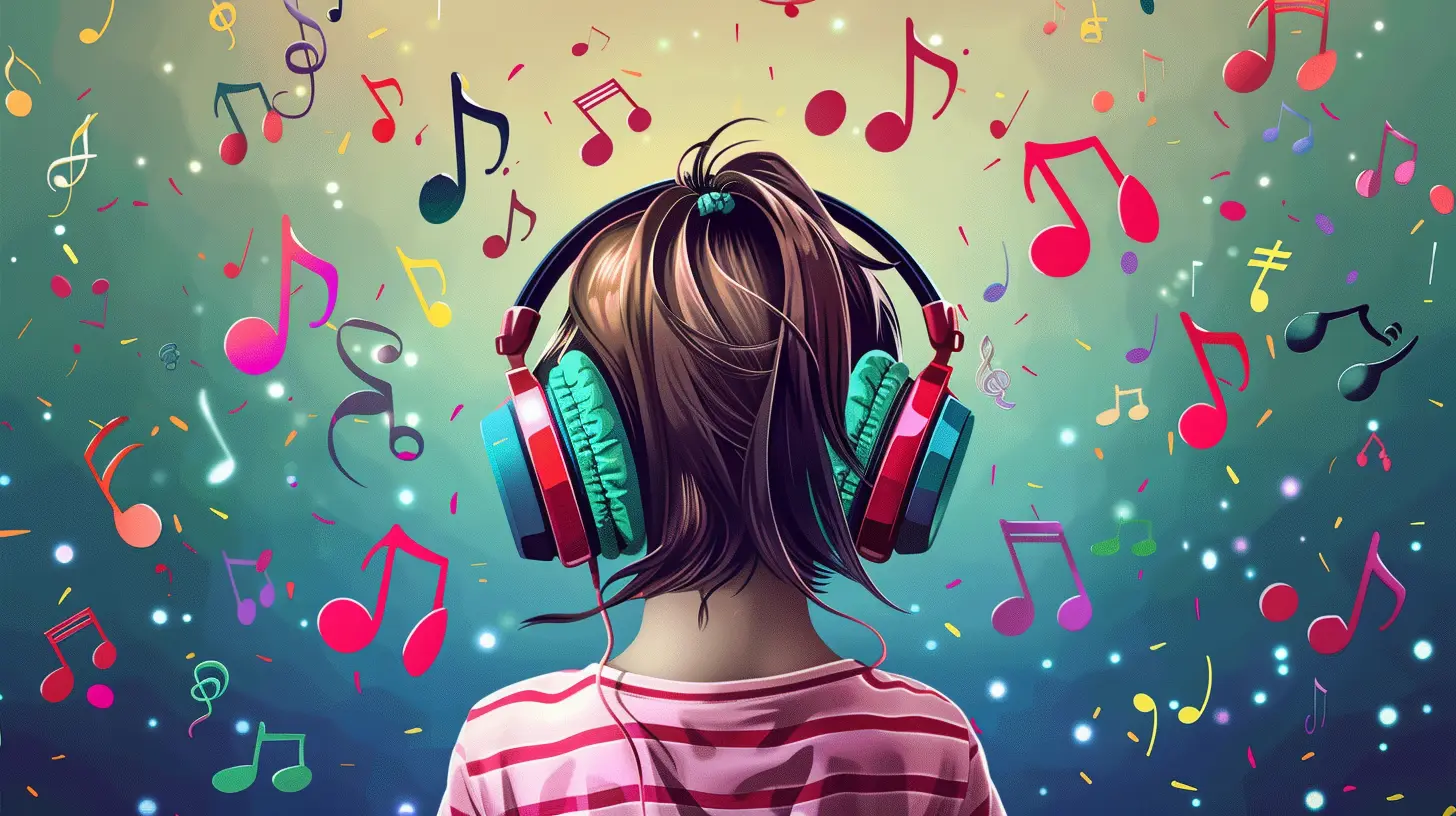
Why Traditional Education Often Misses the Mark
Ever tried telling a kid with ADHD to sit still and read for an hour? Good luck with that.Traditional classroom settings usually require a lot of sitting, listening, and following directions—all things that don’t play well to ADHD strengths. This mismatch can quickly lead to frustration, underperformance, and low self-esteem.
That’s where music education waltzes in and changes the tempo.
Music Education: Not Just a Hobby—A Hidden Superpower
Now, when we say "music education," we’re not just talking about singing songs or playing an instrument for fun (though that’s great too). Real music education involves structured learning—reading music, practicing techniques, collaborating with others, and sticking to discipline.And guess what? These are all things that can help rewire the brain of someone with ADHD in powerful ways.
Let’s break this down.
1. Music Creates Structure and Routine
ADHD brains often crave structure but struggle to build it. Music lessons typically follow a consistent format—warm-ups, skill drills, learning new pieces, practicing with a metronome. This routine helps students anticipate what’s next and organize their time better.Over time, they start applying this internal rhythm to other parts of life—homework, chores, or bedtime routines.
So music isn’t just teaching notes; it’s teaching life patterns.
2. Musical Timing Strengthens Focus
ADHD often comes with impaired executive functioning. That includes things like attention span, memory, and decision-making. Playing an instrument means you’re constantly adjusting timing, tone, and tempo. You have to focus deeply, not just for a minute—but sustained for as long as the song lasts.It becomes like a mental workout. The more you do it, the more your attention muscles grow. You learn to tune in, stay present, and finish what you started.
3. Physical Movement in Music Uses Energy Productively
One of the hallmark symptoms of ADHD is hyperactivity. Sitting still is a challenge, especially for kids. Music gives that restless energy a place to go.Drumming? You’re using full-body motion. Playing piano? Your hands are flying. Singing? You’re controlling breath and posture.
It’s like turning that constant need to move into something constructive instead of disruptive. Energy gets channeled instead of suppressed.
4. Learning an Instrument Builds Confidence
Let’s talk about the emotional side of ADHD. Many kids and adults with the condition struggle with low self-esteem. They’re often told what they’re doing "wrong" more than what they’re doing right.Imagine what happens when they learn to play a song all the way through. Or perform in front of an audience. Or get a compliment from a teacher.
Music becomes a mirror of progress—a visual and auditory way to measure growth. Little wins build into big ones, and suddenly you have a kid who not only believes they can do something—they know they can.
5. Music Enhances Working Memory
Working memory is essential for academic success, and it’s something people with ADHD often struggle with. Music education puts a big demand on memory: remembering note patterns, lyrics, rhythms, and sequences. Every time a student rehearses a song, they’re exercising their short-term and long-term memory.It’s like mental gymnastics dressed up in harmony.
6. Group Music Builds Social Bonds
Kids with ADHD often find it hard to build friendships. Impulsivity and inattentiveness can make social settings tricky.Now enter group music settings—band class, choir, or a jam session. These give students a shared goal, and more importantly, a non-verbal way to connect with others. They learn about teamwork, waiting their turn, listening actively, and blending in.
Music becomes the social glue they didn’t know they needed.
7. Emotional Regulation Through Musical Expression
Ever feel like you have so many emotions you might explode? For people with ADHD, that’s a common sensation. Music provides a safe and creative emotional outlet.Whether it’s pounding out frustration on the drums, singing a heartfelt ballad, or just getting lost in a calming melody—music teaches emotional intelligence and emotional control.
You don’t have to say how you feel—you can play how you feel.
What Does the Science Say?
Okay, now for the science lovers in the room (you know who you are).Research is backing this up. Multiple studies have found that music training can enhance executive functions, including working memory, cognitive flexibility, and inhibitory control, especially in children with ADHD.
A 2011 study published in the journal Music Perception found that children who underwent structured music lessons showed better attention and reasoning skills compared to those who didn’t.
In Australia, music therapy has even been incorporated into some ADHD treatment plans, with measurable improvements in attention span, mood regulation, and social interaction.
So yeah—it’s not just an emotional idea. It’s a scientifically supported strategy.
How to Integrate Music Education for ADHD Support
Now that we’ve sung the praises of music, how do you actually plug it into real life?1. Start Early but Start Anywhere
While younger children tend to soak up music education more easily, it’s never too late. Teens and even adults with ADHD can benefit from picking up an instrument or joining music classes. The key? Consistency and enjoyment.2. Choose the Right Instrument
Not every instrument is a match for every person. Some kids love the physicality of drums, while others may prefer the structure of piano. Let them explore and experiment until they find the one that clicks.3. Make it Fun, Not Forced
This isn’t bootcamp. If music becomes another task or punishment, it loses its power. Let it be their escape, their passion project, their thing. Celebrate progress, not perfection.4. Pair Music with Other Therapies
Music isn’t a standalone cure. It works best alongside other treatment strategies like behavioral therapy, medication, or counseling. Think of it as a supporting actor that steals the spotlight.5. Encourage Performance (But Don’t Pressure It)
Performing in front of people builds confidence, but it should never be a source of anxiety. Start small—family concerts, recording a video, playing for a friend. Let the victories build naturally.Stories That Inspire
Ever heard of Adam Levine, the lead singer of Maroon 5? He has openly talked about his ADHD and how music helped him find direction. Or how about Justin Timberlake and Will.i.am? Yep, they both grew up managing ADHD and credit music for keeping them on track.Music didn’t just give them careers—it gave them clarity and control.
Final Thoughts
ADHD can turn the world into a chaotic playlist with no shuffle control. But music? Music is like finding a song that finally matches your rhythm.It gives structure to the scattered, focus to the distracted, and confidence to the unsure. It’s more than just an art form—it’s therapy with a beat.
So whether you're a parent looking to support your ADHD child, a teacher trying to reach a struggling student, or an adult searching for focus—consider adding music education to the mix.
Who knows? You might just hit the right note.
all images in this post were generated using AI tools
Category:
Music EducationAuthor:

Charlotte Rogers
Discussion
rate this article
12 comments
Arden McQuillan
This article effectively highlights the benefits of music education for students with ADHD. It’s refreshing to see practical strategies that leverage creativity to enhance focus and engagement in learning.
January 29, 2026 at 3:57 AM
Charlotte Rogers
Thank you for your feedback! I'm glad you found the strategies helpful in showcasing the benefits of music education for students with ADHD.
Dana Stewart
Music education offers a creative outlet, enhancing focus and self-expression, and supporting ADHD management effectively.
December 28, 2025 at 1:10 PM
Charlotte Rogers
Thank you for highlighting the benefits of music education! It's indeed a powerful tool for fostering creativity and enhancing focus, especially for those with ADHD.
Lily Kirkpatrick
Because nothing says 'focus' like a room full of kids belting out show tunes! Who needs meds when you've got a tambourine?" 🎶😄
December 28, 2025 at 4:44 AM
Charlotte Rogers
Absolutely! Music can be a fun and effective way to enhance focus and engage kids with ADHD. 🎶
Nyxaris McTavish
Music education unlocks potential, offering focus and joy for those with ADHD!
December 27, 2025 at 4:26 AM
Charlotte Rogers
Absolutely! Music education can provide structure and engagement, making it a powerful tool for individuals with ADHD to harness their potential and find joy in learning.
Finn McCallum
Music education offers a rhythmic pathway, harmonizing attention and creativity for ADHD minds.
December 26, 2025 at 11:41 AM
Charlotte Rogers
Thank you for your insight! Music education indeed serves as a powerful tool for enhancing focus and creativity in those with ADHD.
Vance Pope
This article beautifully highlights the positive impact of music education on ADHD. It’s a reminder of how nurturing creativity can support learning and development. Thank you for sharing such valuable insights!
December 16, 2025 at 6:02 AM
Charlotte Rogers
Thank you for your kind words! I'm glad you found the insights valuable. Music education truly can make a difference in supporting creativity and learning for individuals with ADHD.
Ainsley Nelson
This article highlights the significant benefits of music education for children with ADHD, including improved focus, emotional regulation, and social skills. Integrating music into learning can create a more engaging environment, making it an effective tool to support their development and enhance overall well-being.
December 15, 2025 at 9:13 PM
Charlotte Rogers
Thank you for your insightful comment! I'm glad you found the benefits of music education for children with ADHD compelling. It's a powerful tool for fostering growth and well-being.
Asher Henson
This article compellingly highlights the transformative role of music education in supporting students with ADHD. By enhancing focus, discipline, and emotional expression, music provides a structured yet creative outlet. It fosters cognitive development and social skills, illustrating how incorporating music in education can be a powerful tool for engagement and learning success.
December 14, 2025 at 9:51 PM
Charlotte Rogers
Thank you for your thoughtful comment! I'm glad you found the article highlights the positive impact of music education on students with ADHD. It's inspiring to see how music can foster both emotional and cognitive growth.
Sylph McGowan
Great insights! Music education really can be a powerful tool for enhancing focus and creativity in students with ADHD.
December 14, 2025 at 2:05 PM
Charlotte Rogers
Thank you! I’m glad you found the insights valuable. Music education truly can make a significant difference for students with ADHD.
Thalwen Stevens
Thank you for this insightful article! It’s heartwarming to see how music education can offer support for individuals with ADHD. The power of music in enhancing focus and emotional expression is truly remarkable. Your encouraging perspective sheds light on an effective and creative approach to helping those navigate their challenges.
December 13, 2025 at 7:26 PM
Charlotte Rogers
Thank you for your kind words! I'm glad you found the article insightful and appreciate the power of music in supporting individuals with ADHD.
Valeria McClain
Music education can enhance focus and emotional regulation for students with ADHD, fostering creativity and improving academic performance. Essential for holistic development!
December 13, 2025 at 12:07 PM
Charlotte Rogers
Thank you for your insights! I completely agree—music education plays a vital role in supporting students with ADHD by enhancing focus, emotional regulation, and overall academic success.
Bellamy Ramirez
Who knew that tapping your feet and jamming to a tune could help with ADHD? Music education: where the only thing louder than your kid’s enthusiasm is the sound of your sanity being restored. Rock on!
December 9, 2025 at 8:49 PM
Charlotte Rogers
Absolutely! Music education not only fosters creativity but also provides a therapeutic outlet for kids with ADHD, enhancing focus and joy. Rock on, indeed!
MORE POSTS

Coding in Schools: Moving Beyond the Basics of Syntax

Unpacking Bias: The First Step in Critical Thinking

How to Teach Children to Manage Big Emotions

Data-Driven Decision Making in Classroom Assessment

How to Prioritize Study Tasks for Maximum Efficiency

The Connection Between Standardized Test Scores and Scholarships
How to Use Everyday Conversations to Build Early Literacy

Creative Approaches to Engaging Students in Active Learning