How Montessori Education Prepares Children for the Real World
15 December 2025
Oh, the real world! That magical (read: chaotic) destination we shove our kids toward while muttering, “They'll thank me later.” But instead of crushing their creativity under a mountain of test scores and rigid schedules, what if—and hear me out—we raised kids who actually like learning and know how to handle real-life stuff? Enter: the Montessori Method.
You’ve probably heard whispers about Montessori like it’s some Hogwarts for toddlers. Wooden toys, children choosing their activities, no grades? Sounds suspiciously like an educational Netflix binge with snacks included. But don’t let the chill vibes fool you—Montessori is the sleeper agent of education, quietly turning tiny humans into independent, confident, emotionally intelligent adults.
So let’s unpack how Montessori education actually prepares kids for this beautiful mess we call the real world.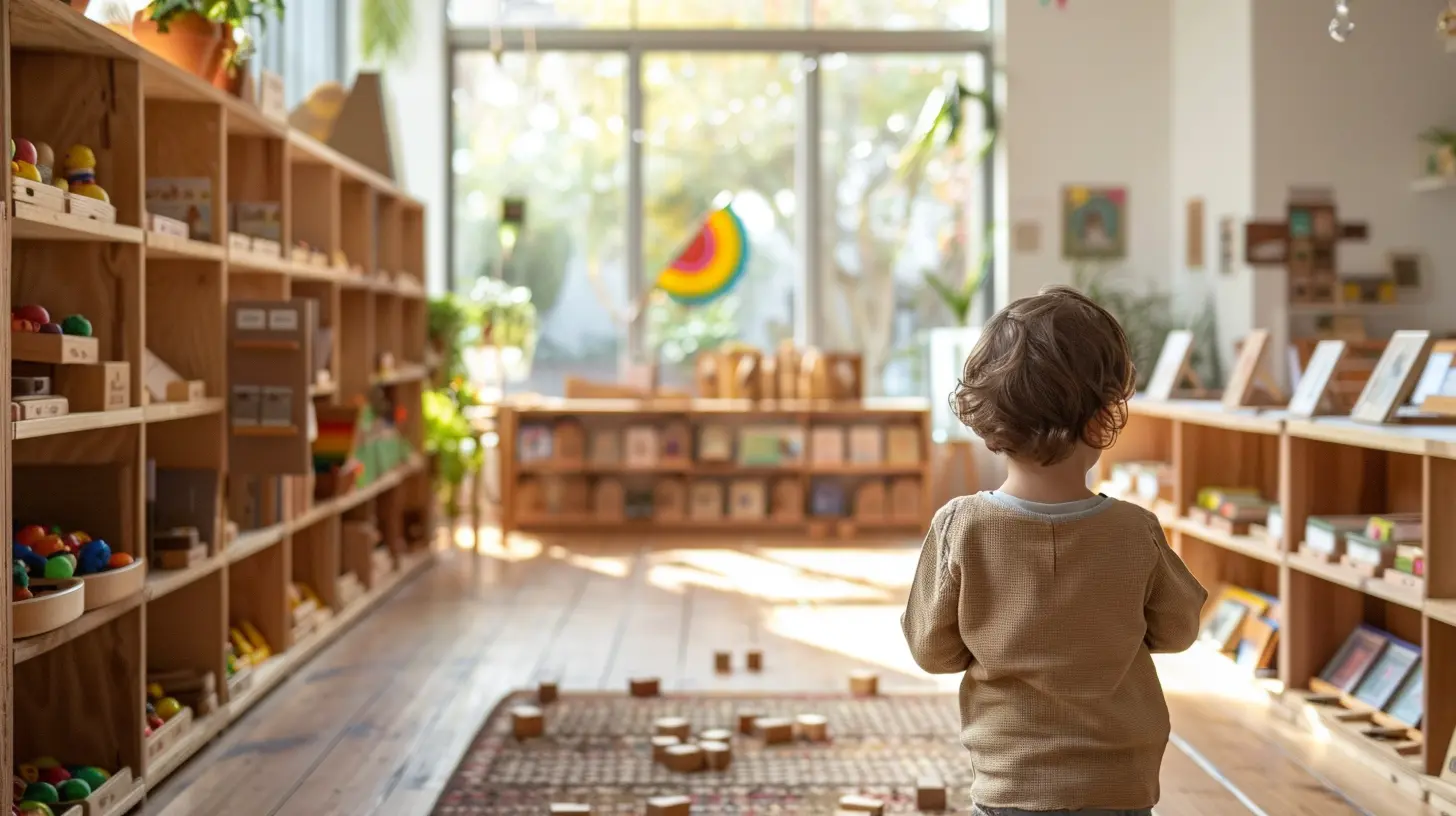
What is Montessori Anyway?
First things first—let’s demystify the method. Montessori education was dreamed up by Dr. Maria Montessori in the early 1900s and guess what? It’s still making traditional classrooms look like fax machines in the age of Instagram.It’s all about child-led learning, hands-on activities, and multi-age classrooms where kids teach each other (yep, like mini-professors in dinosaur pajamas). Think freedom with structure, not Lord of the Flies with glitter glue.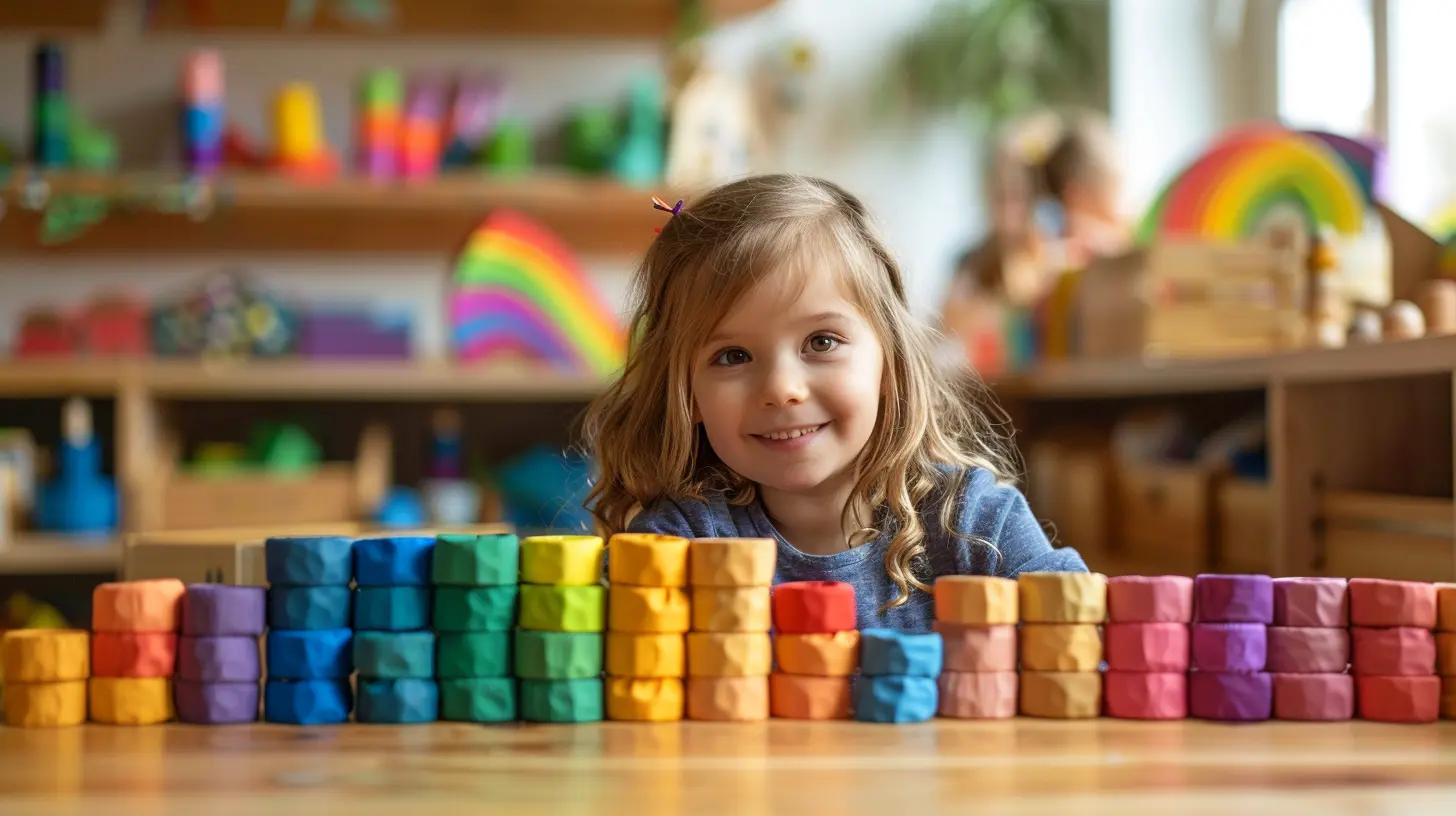
Real-World Skill #1: Independence (a.k.a. No, Mom Doesn’t Need to Tie Your Shoes)
Picture this: your five-year-old calmly making their own snack, cleaning up afterward, and then teaching their little classmate how to fold a towel. Not a fantasy. Just Montessori magic.From day one, Montessori students are encouraged to do things themselves—from zipping jackets to pouring water without flooding the room. It’s like boot camp for life skills, minus the yelling.
This independence builds confidence. And confident kids? They don’t run from challenges. They look at a problem and say, “Yeah, I got this,” while the traditional kid waits for someone to tell them what to do.
Real-World Skill #2: Decision-Making (a.k.a. No More Deer-in-the-Headlights at the Menu)
In Montessori, kids get choices. Not chaos—calculated, age-appropriate choices that allow them to flex those decision-making muscles early and often.Would you like to work on math or language right now? Want to sit at the rug or the table? Want to read with a friend or solo?
These aren’t just options—they’re low-stakes training reps for bigger future decisions (like which college to go to, or whether to ghost someone who texts only past midnight).
Montessori kids learn to own their choices and live with the consequences—because there’s no "blame the teacher" button in adult life either.
Real-World Skill #3: Time Management (a.k.a. Goodbye Sunday Night Meltdowns)
Now here’s a revolutionary idea: Letting kids manage their own schedule. Yes, they actually do it. Montessori classrooms run on something called a "work cycle"—a big, juicy block of uninterrupted work time where kids choose what to work on and for how long.No running from bell to bell like Pavlov’s dogs. Instead, kids learn how to prioritize, plan, and focus without constant adult reminders.
Want to raise a person who doesn’t procrastinate all weekend and then have an emotional breakdown on Sunday night? Welcome to the Montessori club.
Real-World Skill #4: Collaboration Over Competition
Raise your hand if school taught you that success = being better than someone else.Cue crickets.
Montessori does a plot twist here. Students work in mixed-age groups, which naturally encourages collaboration. Older students help the younger ones, and everyone learns at their own pace without the pressure-cooker of comparison.
No gold stars. No class ranks. Just a community of little humans learning together—aka, a much more realistic preview of the workplace than the Hunger Games-style vibe of traditional grading.
Real-World Skill #5: Emotional Intelligence (Because Robots Are Not Taking Over…Yet)
Montessori isn’t just about ABCs and 123s. It’s also about how kids feel while they learn.Teachers (who go by “guides”—yep, like Yoda) model calm, respectful behavior and help kids navigate their emotions. There are peace corners. There are conversations instead of discipline. There’s... empathy. Weird, huh?
Kids learn to recognize their feelings, express them appropriately, and respect others’ feelings too.
So yeah, Montessori grads are basically emotional ninjas. They can disagree without a meltdown and solve conflicts like pros—super handy for marriage, HR departments, and not flipping out at the DMV.
Real-World Skill #6: Curiosity Doesn’t Stop at Graduation
In traditional schools, curiosity sometimes dies a slow, standardized-test-induced death. But in Montessori? It thrives.The curriculum follows the child—not the other way around. That means kids can dive deep into interests like marine biology, astronomy, or building a pillow fort that rivals the Eiffel Tower.
This approach fosters a lifelong love of learning, because kids learn to learn for the joy of it—not just to pass a test.
And let’s be honest, in the real world, nobody hands you a worksheet on how to get promoted or deal with in-laws. You’ve got to want to learn, solve, and grow on your own. Montessori kids are ready.
Real-World Skill #7: Respect for People and the Environment
Montessori classrooms are mini-societies with rules created by the group and respect as a core value. Kids learn to respect each other, the adults around them, and their environment. That means you won’t find them leaving a trail of snack wrappers across the floor like a post-apocalyptic candy monster.And plants? They water those. They clean up spills. They recycle. They even take care of classroom pets without traumatizing them.
You know who thrives in a workplace or community? People who don’t act like the world is their personal garbage can. Montessori teaches that from day one.
Real-World Skill #8: Grit, Perseverance, and the Beauty of Failing Gracefully
Let’s talk failure. In a traditional classroom, failure is often the enemy. But in Montessori? It’s just part of the process.Kids aren’t penalized for making mistakes. They’re encouraged to figure out what went wrong and try again. The materials are self-correcting, so they don’t need a teacher to swoop in saying, “WRONG!”
Here’s the deal: everyone fails at something in the real world. What matters is how you respond. Kids who’ve been calmly failing and trying again since preschool? Yeah, they’re not afraid to risk, to try, to grow. And that’s grit.
Debunking a Few Montessori Myths Just for Fun
Before you start picturing Montessori as some elite cult of tofu-toting toddlers, let’s bust a few myths:- No, they don’t just do whatever they want all day. There’s freedom, yes—but within boundaries. Think of it like bowling with bumpers.
- No, they’re not anti-technology. Kids learn with their hands first, but tech isn’t the enemy—it’s just not the first tool out of the box.
- Yes, kids still learn math, science, reading, and writing. They just learn it in a way that doesn’t make them dread existence.
So...Does This Actually Work?
Short answer? Yes.Montessori grads have gone on to do alright for themselves. You know, people like Jeff Bezos, Larry Page (Google), Jimmy Wales (Wikipedia), and Beyoncé's future personal assistant (probably).
But more than that, they tend to be curious, self-motivated, socially skilled, and adaptable. Basically, the kind of humans you’d want to work with, marry, live next to, or trust with your dog.
Final Thoughts: Why the Real World Could Use a Little More Montessori
Let’s be real. The world is a hot soup of adulting challenges no school fully prepares you for. But Montessori comes really close.It teaches kids how to think, not what to think.
How to choose, not just follow.
How to fail, recover, and keep going—even when someone eats the last cookie (yes, again).
So, if we want to raise future adults who can handle real life without crumbling into a WiFi-less panic, maybe it’s time to give Montessori a second glance. It’s not just education; it’s a lifestyle.
And hey, if nothing else, at least your kid will know how to clean up after themselves. That alone is worth its weight in goldfish crackers.
all images in this post were generated using AI tools
Category:
Montessori EducationAuthor:

Charlotte Rogers
Discussion
rate this article
12 comments
Tate Snow
This article presents an intriguing perspective on Montessori education! I'm curious about how the hands-on learning approach fosters independence and critical thinking in young children. How do specific Montessori methods translate to real-world skills, and what evidence exists to support these outcomes? Looking forward to exploring these questions further!
January 29, 2026 at 9:11 PM
Charlotte Rogers
Thank you for your interest! Montessori's hands-on methods, like self-directed activities and practical life exercises, promote independence and critical thinking. Research shows that these approaches can enhance problem-solving skills and adaptability, preparing children for real-world challenges. I look forward to delving deeper into these aspects!
Antonia Daniels
In a world where conventional methods often confine creativity, Montessori education unlocks the door to self-discovery. But what unseen forces shape these young minds? Dive deeper into how this innovative approach doesn't just prepare children for adult challenges, but also subtly molds the architects of tomorrow's reality.
January 10, 2026 at 12:33 PM
Charlotte Rogers
Thank you for your insightful comment! Montessori education indeed nurtures creativity and independence, allowing children to explore and discover their potential, ultimately shaping them into innovative thinkers for the future.
Cruz Horne
Great insights! Montessori’s hands-on approach truly fosters independence and critical thinking in children.
January 9, 2026 at 9:10 PM
Charlotte Rogers
Thank you! I’m glad you found the insights valuable. Montessori education indeed empowers children to thrive in a real-world setting!
Zephyrion Torres
Montessori education cultivates independence and critical thinking, equipping children with the tools to navigate the complexities of the real world. By fostering creativity and problem-solving, it transforms passive learners into proactive, confident individuals ready to tackle life’s challenges.
January 8, 2026 at 8:34 PM
Charlotte Rogers
Thank you for your insightful comment! I completely agree that Montessori education empowers children by promoting independence, critical thinking, and creativity, all essential skills for navigating the complexities of life.
Zevon Griffin
Montessori: where kids learn to tie their shoes and tackle life’s knots—all before nap time!
January 8, 2026 at 5:15 AM
Charlotte Rogers
Indeed, Montessori education empowers children with practical skills and problem-solving abilities, ensuring they're well-prepared for life's challenges!
Zadie McMaster
Great insights! Montessori fosters independence and critical thinking, essential skills for navigating real-world challenges successfully.
December 30, 2025 at 4:25 AM
Charlotte Rogers
Thank you! I'm glad you found the insights valuable. Montessori truly empowers children with the skills they'll need to thrive.
Zevan Cruz
Thank you for this insightful article! It beautifully captures how Montessori education fosters independence and critical thinking in children. It’s inspiring to see such a holistic approach preparing them for the challenges of the real world.
December 28, 2025 at 9:29 PM
Charlotte Rogers
Thank you for your kind words! I'm glad you found the article insightful and appreciate the value of Montessori education in fostering independence and critical thinking.
Lola Gutierrez
Montessori education isn’t just a teaching method; it’s a revolutionary approach that empowers kids with essential life skills. It’s time we embrace it as the gold standard for real-world readiness.
December 28, 2025 at 1:10 PM
Charlotte Rogers
Thank you for your insightful comment! I completely agree that Montessori education fosters essential life skills and prepares children for real-world challenges. Embracing this approach can significantly enhance students' readiness for life beyond the classroom.
Remi McKittrick
Grateful for the insights shared here!
December 28, 2025 at 4:44 AM
Charlotte Rogers
Thank you! I’m glad you found the insights valuable!
Betsy Green
Great insights on Montessori's real-world benefits for children!
December 27, 2025 at 12:16 PM
Charlotte Rogers
Thank you! I'm glad you found the insights valuable. Montessori education truly equips children with essential skills for life.
Nicole Bennett
This article effectively highlights the core principles of Montessori education and its real-world applications. By fostering independence, critical thinking, and collaboration, Montessori prepares children to navigate life's challenges confidently. The emphasis on hands-on learning and practical skills ensures that students are well-equipped for both personal and professional success. Great insights!
December 24, 2025 at 3:57 AM
Charlotte Rogers
Thank you for your thoughtful feedback! I'm glad you found the article insightful in highlighting Montessori's impact on children's real-world preparedness.
Foster Valentine
Montessori education nurtures independence and critical thinking, empowering children to navigate the real world with confidence. By fostering curiosity and hands-on learning, it equips them with essential life skills that go beyond academics. Let's celebrate this holistic approach to education for a brighter future!
December 21, 2025 at 9:14 PM
Charlotte Rogers
Thank you for your thoughtful comment! I completely agree—Montessori education truly empowers children by nurturing independence and critical thinking, providing them with invaluable skills for lifelong success.
MORE POSTS
Encouraging Growth Mindsets in Students with PBL
Practical Study Tips for Busy Adults Returning to School
The Power of Questions: Engaging Your Child During Storytime
The Art of Asking the Right Questions in Classroom Assessments
Best Practices for Assessing Student Understanding
Overcoming Study Plateaus: How to Push Through Learning Obstacles
How to Approach Gender Identity Conversations with Young Children
Project-Based Learning: Hands-On Activities That Inspire