Project-Based Learning: Hands-On Activities That Inspire
10 April 2025
Ever wondered why students often forget what they cram before exams but vividly remember the science fair projects they worked on for weeks? That’s the magic of Project-Based Learning (PBL)!
PBL isn’t just another educational buzzword—it’s a game-changer. Instead of rote memorization, students dive deep into real-world problems, brainstorming, experimenting, and creating solutions. It’s the kind of education that actually sticks because it’s hands-on, engaging, and—dare I say—fun!
So, let’s break down what project-based learning is, why it works, and some super cool hands-on activities that will inspire students to think, create, and achieve. 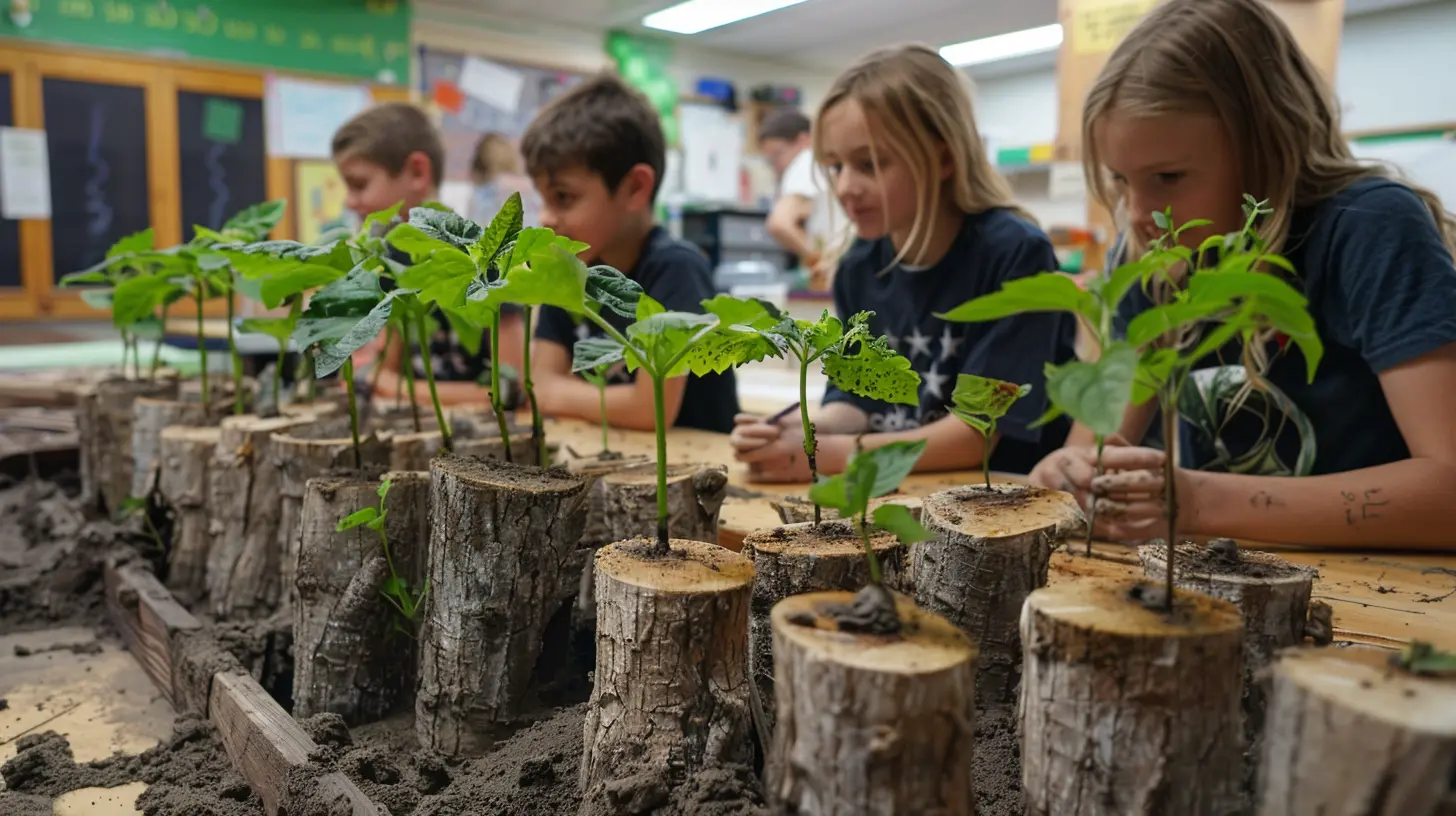
📌 What Is Project-Based Learning (PBL)?
Put simply, PBL is learning by doing. Instead of listening to long lectures or memorizing facts from a textbook, students work on meaningful projects over weeks or even months. These projects tackle real-world challenges, encouraging students to think critically, collaborate, and develop problem-solving skills.Unlike traditional learning, where the teacher is the "sage on the stage," in PBL, the teacher becomes a guide on the side—coaching, questioning, and sparking curiosity.
🔥 Why PBL Works
Let’s be honest—most students tune out during traditional lessons. But when they’re actively engaged in a project, something magical happens:- They take ownership of their learning. PBL puts students in the driver's seat, making education more meaningful.
- It fosters creativity and innovation. Students aren’t just answering questions—they're solving problems.
- Collaboration becomes second nature. PBL encourages teamwork, mirroring real-world work environments.
- It builds critical thinking skills. There isn't just one "right answer," so students need to analyze, adapt, and refine their ideas.
- Learning sticks. When students do something rather than just hear it, they remember it longer.
Now that we know why PBL rocks, let’s check out some hands-on projects that can ignite curiosity across different subjects. 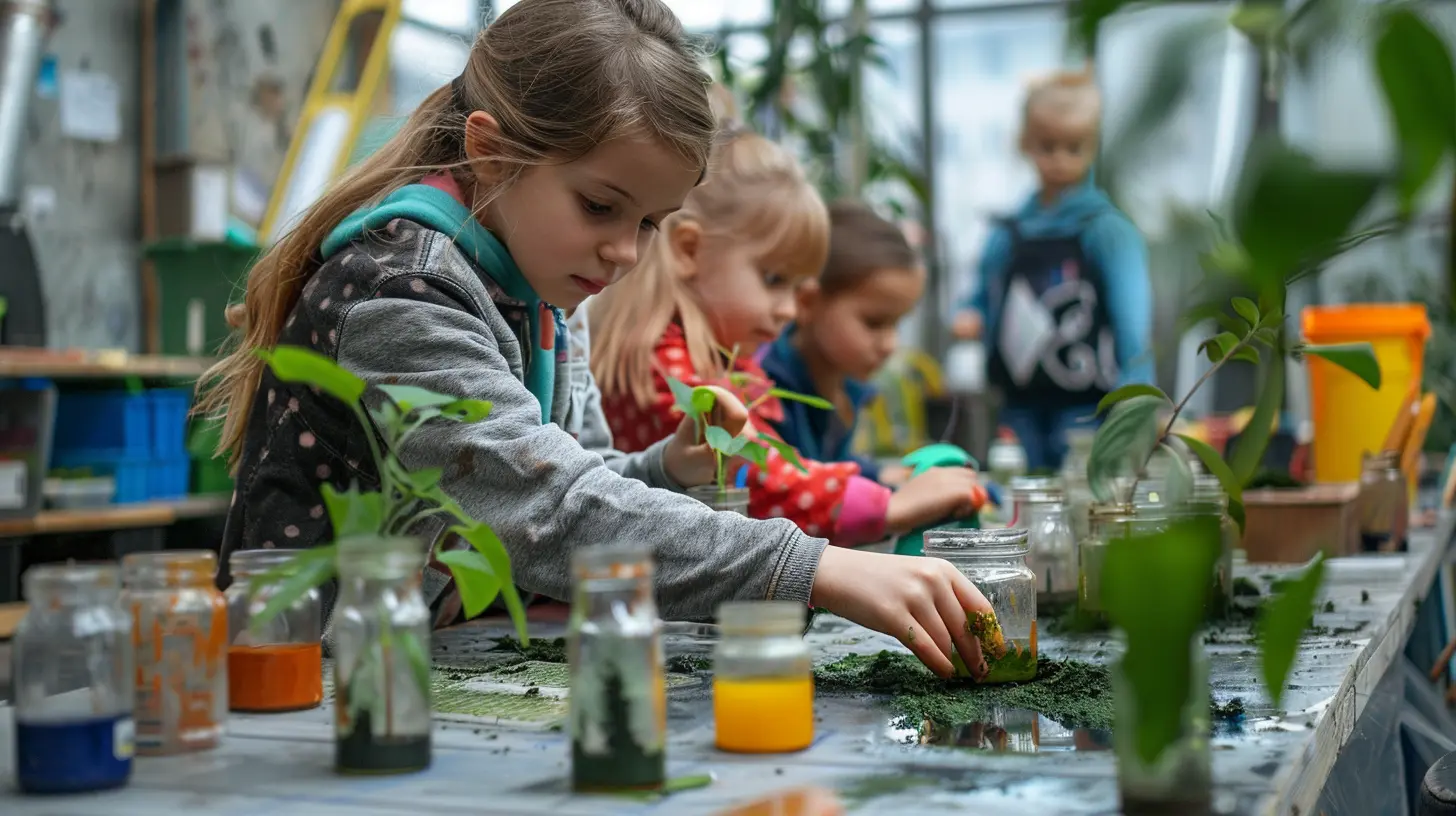
🚀 Hands-On Project-Based Learning Activities
PBL can be applied to literally any subject—from science to history to math. Here are some dynamic, hands-on activities that will get students excited to learn:🏗️ 1. Engineering Challenge: Build a Bridge
Objective: Students design and construct a bridge using materials like popsicle sticks, cardboard, or spaghetti. The goal? To support as much weight as possible!Why It Works: This activity blends physics, math, and engineering, challenging students to think like real-world designers. It also boosts teamwork and problem-solving skills.
Bonus Twist: Have students compete in groups to see whose bridge holds the most weight. A little friendly competition never hurts!
🏠 2. Tiny House Design Project
Objective: Students design a tiny house based on specific budget and space constraints. They’ll create floor plans, 3D models, and even a budget spreadsheet.Why It Works: This project incorporates math, art, and financial literacy—plus, tiny houses are super trendy, so students love it!
Bonus Twist: Have students pitch their tiny house designs Shark Tank-style to a panel of “investors” (aka classmates or teachers).
🌱 3. Sustainable Garden Project
Objective: Students plan and build a small sustainable garden. They’ll learn about soil health, plant growth, and environmental conservation.Why It Works: It connects biology, ecology, and sustainability, helping students see science in action. Plus, it teaches responsibility as they care for their garden.
Bonus Twist: If space is limited, try an indoor hydroponic garden—a new challenge with modern farming applications!
🎬 4. Historical Documentary Film
Objective: Students choose a historical event, research it deeply, and create a mini-documentary film.Why It Works: This brings history to life, making it more engaging than just reading from a textbook. Plus, it incorporates media skills, storytelling, and critical thinking.
Bonus Twist: Host a film festival where students showcase their documentaries with popcorn and red carpet vibes!
🌎 5. Global Issues Podcast
Objective: Students create a podcast discussing a global issue they care about—climate change, poverty, or even space exploration.Why It Works: They’re researching, interviewing experts, and honing communication skills. Plus, they get to use technology in a meaningful way.
Bonus Twist: Publish the podcast online, so students feel a real sense of impact and pride.
🏦 6. The Classroom Startup Project
Objective: Students develop a business idea, create a business plan, and even pitch it to an audience.Why It Works: It builds entrepreneurship skills, financial literacy, and real-world problem-solving.
Bonus Twist: Give students a small budget (fake or real money) to see whose company could make the most profit!
🚀 7. Space Colony Simulation
Objective: Students design a self-sustaining space colony for a future Mars mission. They must consider food, water, shelter, and social systems.Why It Works: This is an ultimate STEM project—combining engineering, astronomy, biology, and even sociology!
Bonus Twist: Have students present their space colonies to NASA scientists (or science teachers playing the role of NASA officials).
📚 8. Student-Authored Book
Objective: Students write and illustrate their own children’s book on a topic they love.Why It Works: It nurtures writing, creativity, and storytelling. Plus, it’s a great way to encourage students who may not love traditional essays.
Bonus Twist: Partner with a local elementary school and let students read their books to younger kids! 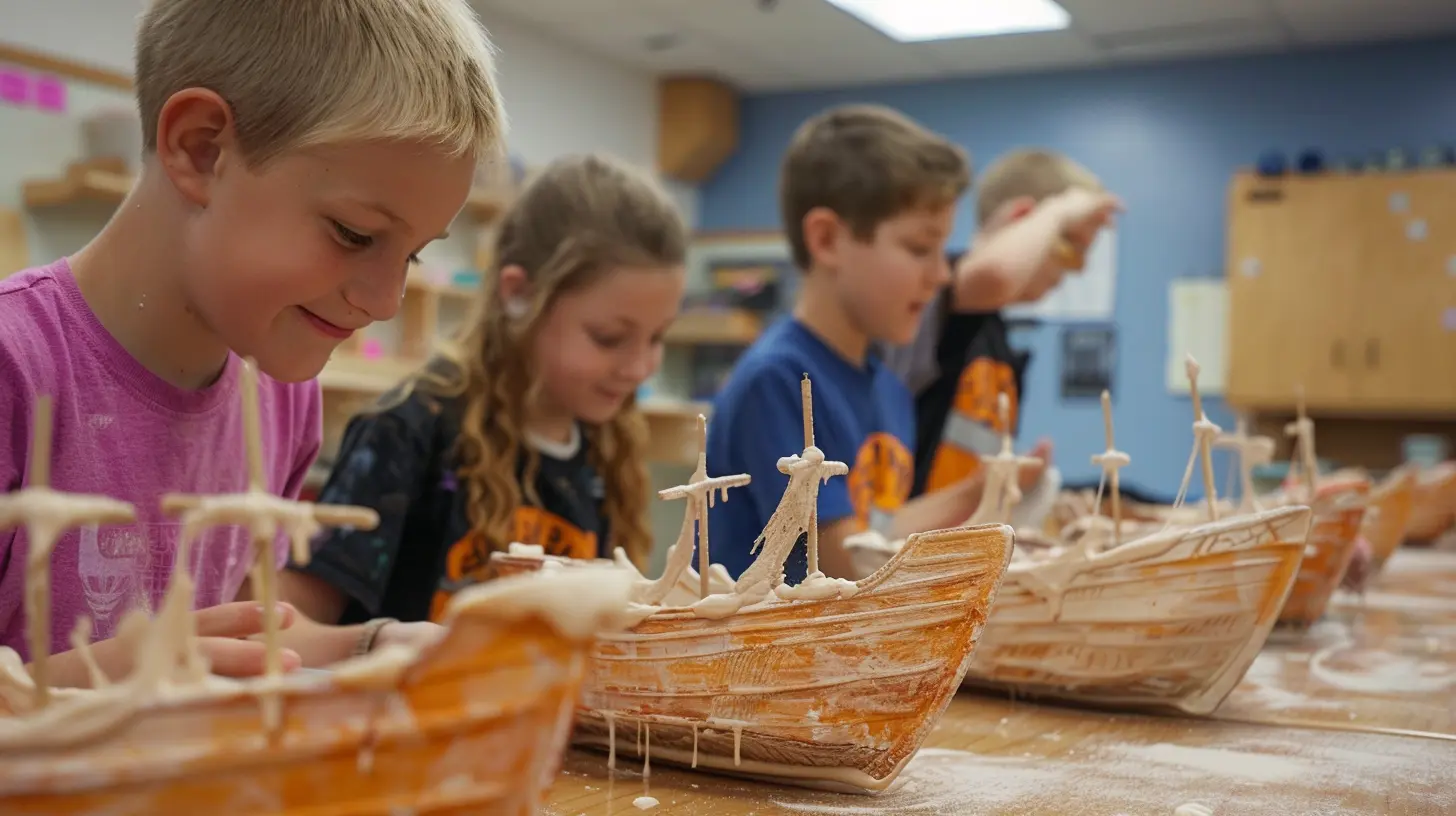
💡 How To Implement PBL Successfully
Excited to implement project-based learning? Here are some must-follow tips:✔ Start with a Compelling Question: Every great project starts with a thought-provoking question. (Ex: "How can we design a city that runs on 100% renewable energy?")
✔ Allow for Student Choice: The more autonomy students have over their projects, the more engaged they’ll be.
✔ Encourage Collaboration: Real-world problems aren’t solved alone—neither should classroom projects.
✔ Incorporate Technology: Use video editing, 3D modeling, coding, or digital storytelling tools to enhance projects.
✔ Make Learning Public: Showcase student projects through presentations, websites, or community events.
✔ Assess Progress Along the Way: Instead of just grading the final product, assess creativity, teamwork, and problem-solving throughout the process. 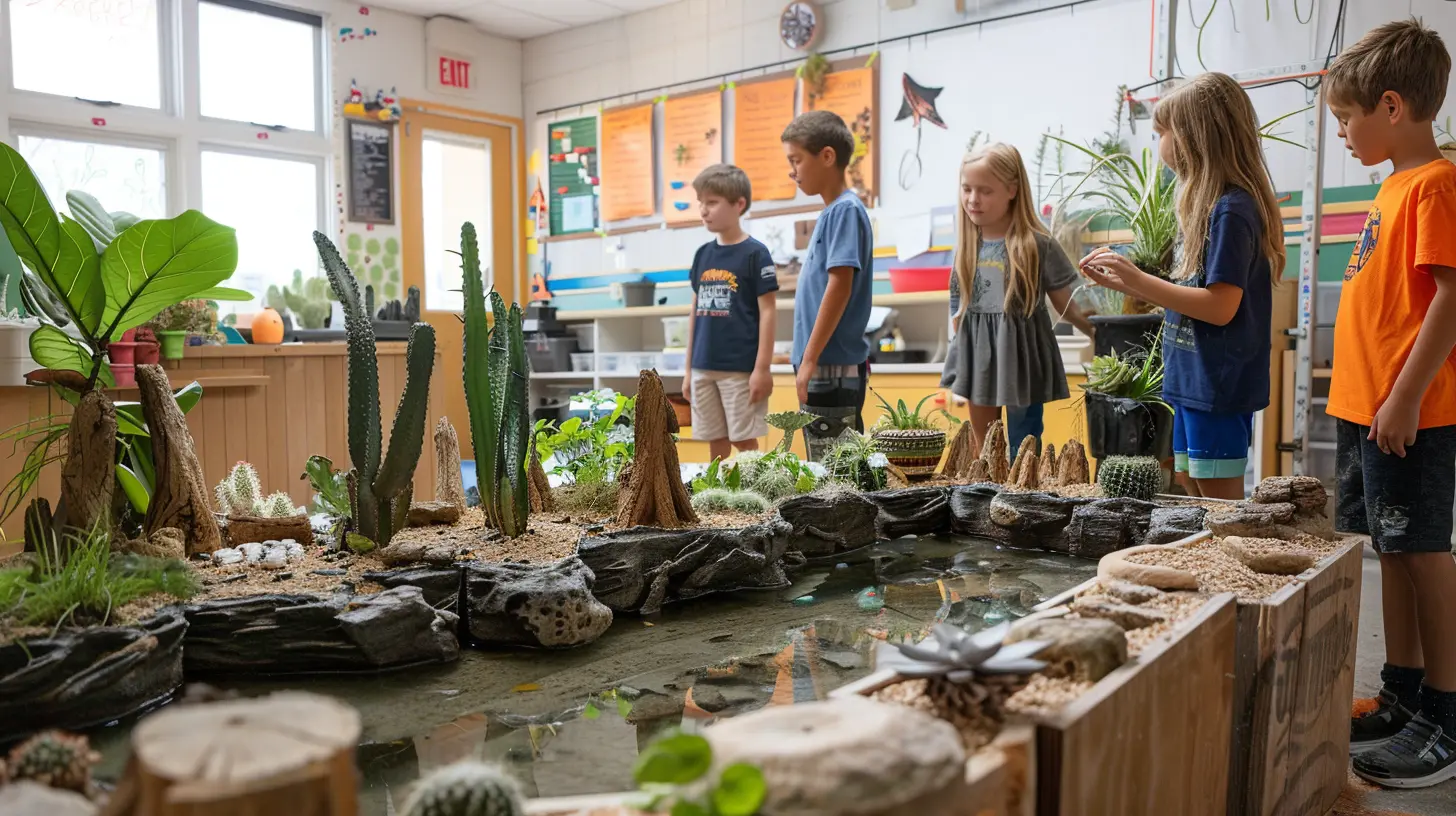
🎯 Why Every Classroom Needs PBL
Project-Based Learning isn’t just a fad—it’s the future of education.It prepares students for real careers, where problem-solving, creativity, and collaboration matter more than memorizing facts. It makes learning meaningful, engaging, and fun, which means students actually want to learn.
So, if you’re an educator, a parent, or just someone who loves shaking up the status quo, give PBL a shot! Who knows? The next great inventor, scientist, or entrepreneur might just be waiting for the right project to spark their genius.
all images in this post were generated using AI tools
Category:
Classroom ActivitiesAuthor:

Charlotte Rogers
Discussion
rate this article
12 comments
Rivenheart Newman
I’m intrigued by the potential of project-based learning! How do hands-on activities effectively enhance student engagement and critical thinking? I’d love to hear more examples of successful projects in various subjects!
January 30, 2026 at 4:30 AM
Charlotte Rogers
Hands-on activities in project-based learning foster engagement by allowing students to explore real-world challenges, promoting collaboration and creativity. For example, in science, students could design sustainable gardens, while in history, they might reenact significant events. These projects encourage critical thinking as students must analyze, synthesize, and apply their knowledge.
Delilah McWilliams
Project-based learning truly ignites student engagement and creativity!
December 17, 2025 at 3:46 AM
Charlotte Rogers
Thank you! I'm glad you resonate with the benefits of project-based learning in fostering engagement and creativity.
Zealot Gibson
This article beautifully captures the essence of Project-Based Learning. Hands-on activities truly ignite creativity and passion in students, fostering a love for learning that lasts a lifetime.
November 12, 2025 at 7:45 PM
Charlotte Rogers
Thank you! I'm glad you found the article resonates with the importance of hands-on activities in fostering creativity and a lifelong love for learning.
Vanta Stone
Great article! Project-based learning truly transforms education by engaging students in hands-on activities that spark their curiosity and creativity. It’s wonderful to see how these experiences can inspire a lifelong love for learning. Thank you for sharing these valuable insights!
October 11, 2025 at 7:14 PM
Charlotte Rogers
Thank you for your kind words! I'm glad you found the article insightful and inspiring. Project-based learning truly makes a difference!
Tank McAndrews
Empowering students through hands-on projects ignites true learning!
September 3, 2025 at 7:56 PM
Charlotte Rogers
Absolutely! Hands-on projects not only enhance engagement but also foster critical thinking and creativity. They are essential for deep, meaningful learning.
Ximena Ruiz
Project-based learning transforms education, turning theory into tangible skills that ignite student passion and creativity!
August 2, 2025 at 3:00 AM
Charlotte Rogers
Thank you! I completely agree—project-based learning truly empowers students by bridging theory and practical application, fostering both passion and creativity.
Nancy McManus
Project-based learning transforms education by engaging students in hands-on activities that foster creativity and critical thinking. This approach not only enhances understanding but also prepares learners for real-world challenges, making learning both relevant and inspiring.
June 28, 2025 at 3:48 AM
Charlotte Rogers
Thank you for your insightful comment! I completely agree that project-based learning is essential for fostering creativity and equipping students with real-world skills.
Nyx Cooper
Project-Based Learning unlocks hidden potential, transforming mundane tasks into exhilarating adventures. What if the key to igniting curiosity lies in the projects we undertake? Dive into the unknown and discover how hands-on activities can reshape the future of education.
June 7, 2025 at 6:23 PM
Charlotte Rogers
Absolutely! Project-Based Learning truly transforms education by making it engaging and relevant, allowing students to explore their interests and drive innovation through hands-on experiences.
Quillan McLoughlin
Engaging projects ignite creativity and enhance learning!
May 10, 2025 at 10:31 AM
Charlotte Rogers
Absolutely! Engaging projects truly foster creativity and deepen understanding, making learning both enjoyable and effective. Thank you for your insight!
Orion Hayes
Embrace project-based learning; it ignites curiosity and empowers students to create their future!
April 22, 2025 at 12:14 PM
Charlotte Rogers
Absolutely! Project-based learning not only fosters curiosity but also equips students with the skills to shape their own futures through hands-on experiences. Thank you for your insights!
Yolanda McKinney
Project-Based Learning is transformative! It actively engages students, fosters critical thinking, and cultivates real-world skills. Embracing hands-on activities not only inspires creativity but also prepares learners for future challenges. Let's prioritize this essential approach!
April 13, 2025 at 7:33 PM
Charlotte Rogers
Thank you for your insightful comment! I completely agree—Project-Based Learning truly empowers students by making learning relevant and engaging. It's essential for equipping them with the skills needed for the future.
Kara Franco
Love this approach! Engaging projects truly spark creativity and inspire students' learning journeys.
April 12, 2025 at 8:59 PM
Charlotte Rogers
Thank you! I'm glad you find the approach impactful. Engaging projects are indeed key to inspiring creativity in students!
MORE POSTS

How to Use Games and Simulations in Lesson Plans for Deeper Understanding

Strategies for Supporting Struggling Readers

How Teacher Bias Can Affect Classroom Assessments and How to Avoid It

How to Stay Focused When Juggling Multiple Responsibilities

The Differences Between Standardized Testing Formats: Computer vs. Paper

Why Montessori Encourages Freedom Within Limits for Children

How to Develop a Positive Mindset for Standardized Test Success

Managing the Challenges of Group Assessment