Why Montessori Encourages Freedom Within Limits for Children
6 December 2024
In the world of education, there are few names more iconic than Maria Montessori. If you're a parent or educator, you've probably heard of the Montessori method as an alternative to traditional schooling. But one concept that might leave you scratching your head is something called "freedom within limits."
At first glance, this idea might sound like an oxymoron. How can children have freedom if they’re also bound by limits? Ah, but here’s the magic of Montessori: it’s all about finding that sweet balance where kids can explore, grow, and learn, all while staying within a framework that keeps them grounded.
In this article, we’ll dive deep into why Montessori encourages freedom within limits for children and how this unique approach lays a solid foundation for their future. Spoiler alert: It’s a game changer!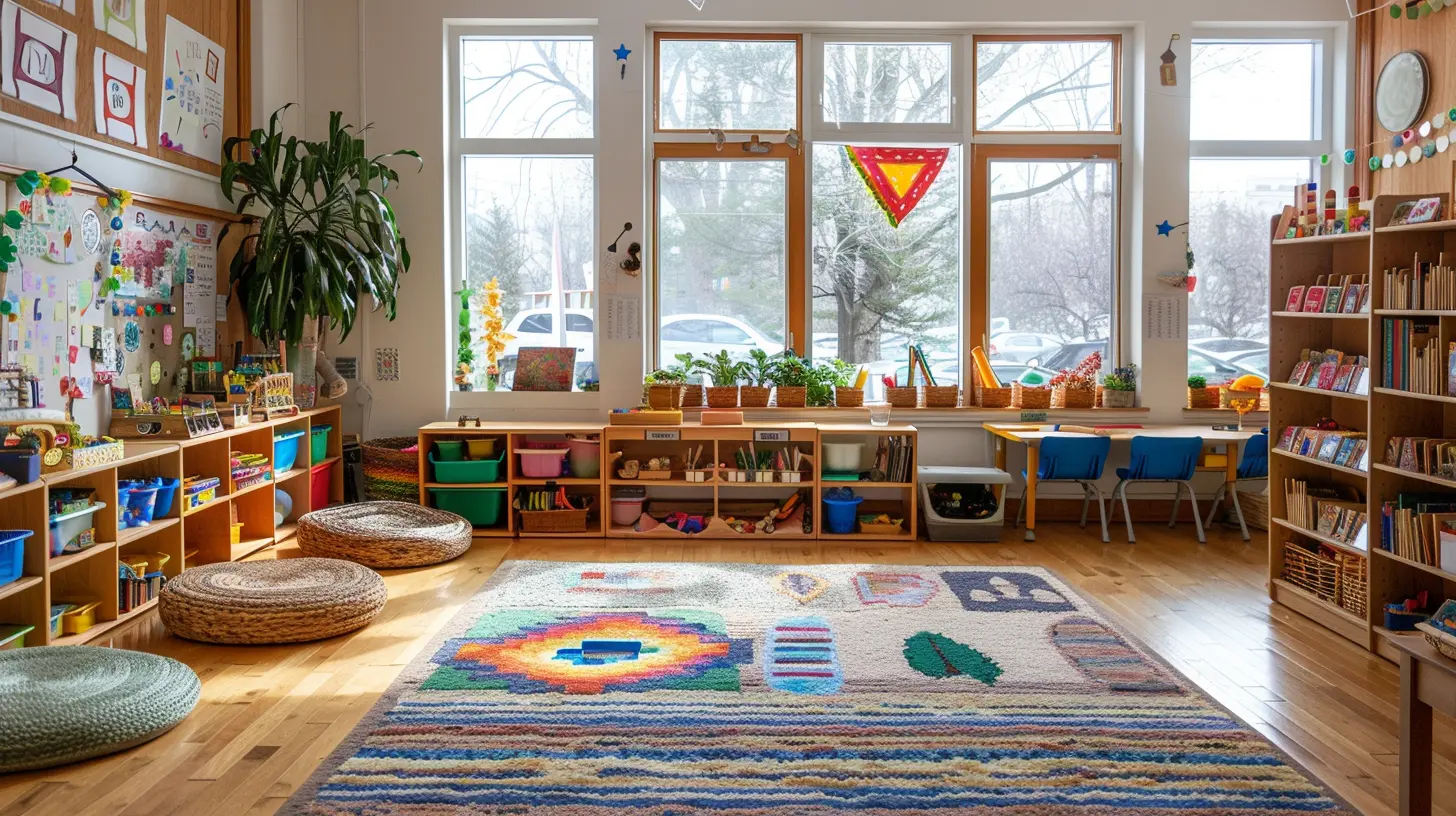
What Does "Freedom Within Limits" Mean?
Imagine you’re driving a car for the first time on a wide-open road. There are no street signs, no speed limits, and no lanes. Sounds exciting, right? But wait until you realize that without any guidance or boundaries, chaos ensues. You might crash into another car or not know where to turn next.This is kind of what life feels like for young children when they are given total freedom without any structure. Montessori’s "freedom within limits" concept is the happy medium. It provides children with the autonomy to make choices, explore their environment, and learn through trial and error—but within a set of carefully designed boundaries.
In a Montessori classroom, children are free to move about, select activities that interest them, and work at their own pace. However, there are rules in place to ensure safety, respect for others, and respect for the materials. These boundaries give them the freedom to learn and grow in a structured yet flexible environment.
The Magic of Limits
Now you might be thinking, “Aren’t limits just another way of telling kids what they can’t do?” But here’s the twist: children actually thrive when they know their boundaries. Limits provide security and clarity. When kids understand what’s expected of them, they can focus more on exploring and less on worrying about what might happen if they step out of line.And it’s not just about rules for the sake of rules. In Montessori, these limits are designed to encourage independence, responsibility, and respect for others. The goal isn’t to control the child but to guide them toward becoming self-disciplined and confident individuals.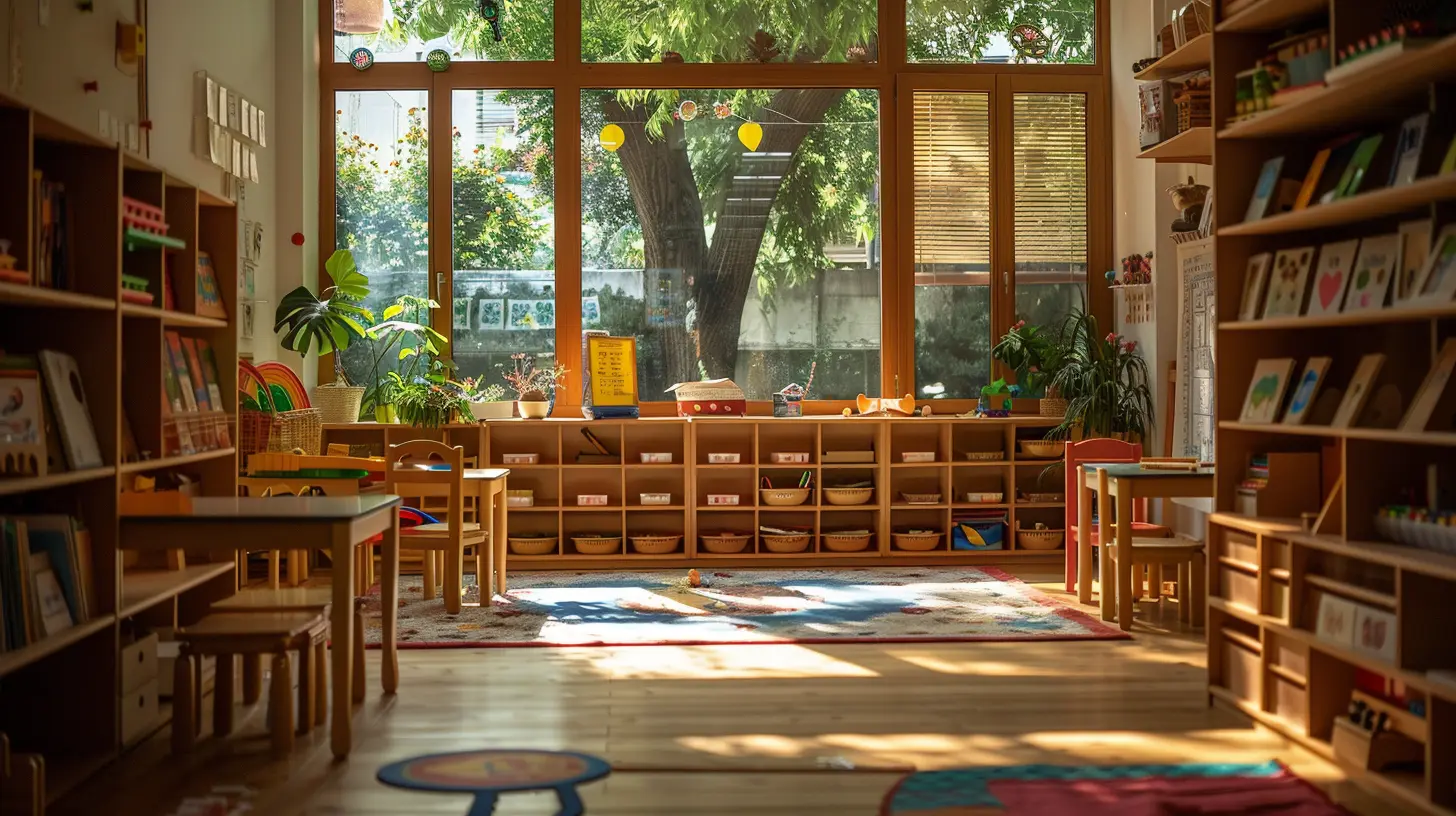
Why Freedom Is Essential for a Child's Development
We've all been there—telling a child, “Don't touch that!” only to watch them reach for it the second you turn your back. It's human nature to want to explore, especially when you’re young and the world is full of shiny, new objects.Montessori believed that children learn best when they have the freedom to interact with their environment on their own terms. When a child is given the autonomy to make choices, they develop critical life skills like decision-making, problem-solving, and self-discipline. These are not just academic skills—they are essential for navigating life as a whole.
Building Confidence Through Choice
One of the major benefits of freedom within limits is that it allows children to build confidence in their abilities. When kids are allowed to choose their own activities, they learn to trust their instincts and develop a sense of competence. They begin to understand that their actions have consequences, and that they have the power to influence their own outcomes.Freedom also nurtures creativity. When children are not constantly told what to do or how to do it, they have the space to come up with their own ideas. This fosters innovation and original thinking, qualities that are valuable in all areas of life.
Responsibility and Accountability
Here’s where the limits come into play. Montessori doesn’t just throw kids into a room and say, “Go wild!” Along with the freedom to choose comes the responsibility to make respectful and thoughtful decisions.Children are encouraged to take responsibility for their actions. For example, if a child chooses to work with a set of blocks, they are also responsible for returning the blocks to their proper place when they are done. This teaches accountability in a very tangible way.
The combination of freedom and responsibility creates a learning environment where children feel empowered but also understand the importance of rules and respect. 
How Montessori Implements "Freedom Within Limits"
So, how does this look in practice? A Montessori classroom is designed with the child in mind. Everything from the layout of the furniture to the activities on the shelves is geared toward fostering independence. Here are a few ways "freedom within limits" is implemented in a Montessori setting.1. Prepared Environment
In a Montessori classroom, the environment is meticulously prepared to meet the needs of the children. Materials are organized and accessible, allowing children to easily choose what they want to work on. The furniture is child-sized, so they can move about comfortably and independently.The room is structured, but not rigid. There are specific areas for different types of activities, such as reading, math, or practical life skills. This helps children understand that while they have the freedom to choose their activities, there is a certain order to how things are done.
2. Choice of Activity
Children in a Montessori classroom are free to choose their activities from a range of options. However, this doesn’t mean they can do whatever they want, whenever they want. The activities available to them are carefully curated to match their developmental stage and interests.For instance, a younger child might be presented with activities that help develop fine motor skills, while an older child might have access to more complex materials like math manipulatives. The key is that the choices are always appropriate for the child’s abilities, ensuring that they are challenged but not overwhelmed.
3. Self-Paced Learning
Montessori is all about following the child’s lead. Children are not rushed through activities or forced to stick to a strict schedule. Instead, they are encouraged to work at their own pace. This allows them to dive deep into a subject that fascinates them, or take extra time to master a skill that might be challenging.This doesn’t mean that children are left to their own devices indefinitely. Teachers, or "guides" as they are called in Montessori, observe the children closely and step in when needed to provide guidance or introduce new materials. It’s a delicate balance of allowing freedom while still providing structure.
The Benefits of Freedom Within Limits
Now that we’ve covered what "freedom within limits" looks like in practice, let’s talk about the specific benefits this approach offers for children.1. Development of Self-Discipline
One of the most significant outcomes of Montessori education is the development of self-discipline. Because children are given the freedom to choose their activities, they learn to manage their time and focus on tasks without constant supervision. Over time, they develop an internal sense of discipline that will serve them well throughout their lives.2. Encouraging Independence
From the moment a child enters a Montessori classroom, they are encouraged to be independent. Whether it’s choosing an activity, pouring their own water, or cleaning up after themselves, children learn that they are capable of taking care of their own needs. This fosters a sense of pride and self-sufficiency that boosts their confidence.3. Respect for Others
In a Montessori setting, freedom doesn’t just apply to the individual—it applies to the group. Children learn that while they have the freedom to make choices, those choices should not infringe on the rights of others. This instills a strong sense of respect for both their peers and the environment.4. Enhanced Problem-Solving Skills
When children are given the freedom to explore and experiment, they naturally encounter challenges. Instead of rushing in to fix things for them, Montessori educators encourage children to figure out solutions on their own. This helps develop problem-solving skills and resilience.5. A Love for Learning
Finally, one of the most profound benefits of "freedom within limits" is that it fosters a genuine love for learning. When children are allowed to follow their interests and learn at their own pace, they develop a lifelong passion for knowledge. They don’t see learning as a chore or something imposed on them—it’s something they actively seek out.Wrapping It All Up
To sum it all up, Montessori’s concept of "freedom within limits" is about giving children the space to grow and learn in a way that feels natural and engaging. It’s about creating an environment where they can make choices, take responsibility, and become independent, all while understanding that their freedom comes with certain boundaries.This balance of freedom and structure helps children develop essential life skills like self-discipline, problem-solving, and respect for others. It’s not just about academics—it’s about preparing children for life.
So, if you’re considering Montessori for your child or your classroom, remember that it’s not about letting children run free without guidance. It’s about giving them the tools they need to navigate their world confidently and responsibly.
all images in this post were generated using AI tools
Category:
Montessori EducationAuthor:

Charlotte Rogers
Discussion
rate this article
19 comments
Lennox Matthews
Great insights! Freedom within limits truly fosters creativity and independence in kids!
February 15, 2025 at 11:54 AM
Charlotte Rogers
Thank you! I'm glad you found the insights valuable. Freedom within limits is indeed a powerful approach to nurturing creativity and independence in children.
Liv Bowman
This article beautifully highlights how Montessori fosters independence while maintaining structure. By balancing freedom with guidance, children learn responsibility, make choices, and cultivate self-discipline, essential skills for lifelong learning and growth.
February 6, 2025 at 5:10 AM
Charlotte Rogers
Thank you for your thoughtful comment! I'm glad you found the article highlights the balance of freedom and structure in Montessori education. It truly plays a vital role in fostering independence and responsibility in children.
Oscar Patel
Freedom within limits fosters growth and responsibility in children.
February 2, 2025 at 5:59 AM
Charlotte Rogers
Thank you for your insight! We believe that by providing freedom within structured limits, children learn to explore, make choices, and develop a sense of responsibility, ultimately fostering their growth.
Nixie McMillan
This article beautifully captures the essence of Montessori education. Emphasizing freedom within limits empowers children to explore and learn at their own pace while providing the structure they need to thrive. It's a delicate balance that fosters independence, creativity, and respect—qualities that will serve them well throughout their lives. Thank you for sharing!
January 29, 2025 at 9:14 PM
Charlotte Rogers
Thank you for your thoughtful comment! I'm glad the article resonated with you and highlighted the core principles of Montessori education.
Corinne Clark
Oh sure, because nothing says “freedom” like a carefully curated set of rules and boundaries! Who knew that letting kids explore their wild imaginations while still being gently herded like sheep could be the secret sauce to their creativity? Brilliant!
January 26, 2025 at 8:37 PM
Charlotte Rogers
Thank you for your perspective! Montessori education emphasizes a balance between freedom and structure, fostering creativity while ensuring a safe and supportive environment for exploration.
Dax McTiernan
Montessori's approach champions "freedom within limits," fostering independence while instilling responsibility. By allowing children to explore their interests within a structured environment, they develop critical thinking and decision-making skills. This balance nurtures self-discipline and respect, empowering young learners to thrive both academically and socially in a supportive setting.
January 22, 2025 at 4:23 AM
Charlotte Rogers
Thank you for highlighting the essence of Montessori's approach. "Freedom within limits" truly empowers children to explore, learn, and grow into responsible, independent individuals.
Dean McKale
This article effectively highlights the importance of balancing freedom and structure in Montessori education. By encouraging children's independence while providing necessary limits, it fosters both creativity and a sense of responsibility. This approach prepares children for real-world challenges while nurturing their natural curiosity.
January 18, 2025 at 7:29 PM
Charlotte Rogers
Thank you for your thoughtful comment! I'm glad you found the article insightful in showcasing how Montessori education balances freedom and structure to support children's growth and independence.
Zarenith Reynolds
Montessori's approach beautifully balances autonomy and structure, fostering self-discipline and responsibility. By encouraging freedom within limits, it nurtures a child's intrinsic motivation, empowering them to explore, learn, and thrive in a safe environment.
January 15, 2025 at 1:54 PM
Charlotte Rogers
Thank you for your insightful comment! Montessori truly emphasizes the importance of balancing autonomy with structure to promote meaningful learning and personal growth.
Melody Taylor
This beautifully captures the balance between independence and guidance, essential for children's growth.
January 9, 2025 at 7:30 PM
Charlotte Rogers
Thank you! I'm glad you resonated with the balance of independence and guidance in Montessori education. It truly fosters holistic growth for children.
Korian McCarron
Like a butterfly in a bubble, Montessori lets kids soar within a colorful garden of rules—freedom blooms beautifully!" 🌈🦋
January 2, 2025 at 5:16 AM
Charlotte Rogers
Thank you! Your metaphor perfectly captures the essence of Montessori education—nurturing creativity and independence while providing a structured environment. 🌟
Marie Burton
This article beautifully captures the essence of Montessori—implementing freedom within limits fosters independence and healthy development in children.
December 29, 2024 at 9:53 PM
Charlotte Rogers
Thank you! I'm glad you feel that way. Montessori truly embraces the balance between freedom and structure to nurture children's growth.
Tessa McNeal
What a wonderful exploration of Montessori principles! Embracing freedom within limits fosters independence and creativity in children. It’s heartwarming to see how this approach nurtures joyful learning experiences. Keep inspiring! 🌟
December 24, 2024 at 7:24 PM
Charlotte Rogers
Thank you for your kind words! I'm glad you resonated with the exploration of Montessori principles. Embracing freedom within limits truly transforms learning experiences! 🌟
Daniella Graham
Ah, the Montessori magic: where freedom and limits dance like two toddlers in a toy aisle! It’s all about letting kids explore while giving them a soft safety net—because who knew structure could be the ultimate playdate buddy? 🎉
December 22, 2024 at 8:19 PM
Charlotte Rogers
Absolutely! Montessori’s blend of freedom and structure truly fosters creativity and independence while ensuring safety, allowing children to thrive in their exploration. 🎈
Evelyn McKinley
Empowering kids to explore within boundaries sparks joy! 🌟
December 19, 2024 at 3:52 AM
Charlotte Rogers
Absolutely! Creating a safe space for exploration fosters creativity while also teaching responsibility. 🌟
Winona McKibben
Structure nurtures authentic exploration.
December 12, 2024 at 8:16 PM
Charlotte Rogers
Thank you! Structure provides a framework that enables children to explore freely and engage meaningfully with their environment.
Honor McGlynn
This article beautifully captures the essence of Montessori education. The emphasis on freedom within limits truly nurtures children's independence while providing essential guidance. It's inspiring to see such a thoughtful approach to fostering young minds.
December 11, 2024 at 12:07 PM
Charlotte Rogers
Thank you for your kind words! I'm glad you found the article resonates with the core principles of Montessori education. Your insights on independence and guidance are much appreciated!
William Mahoney
Great read! I love how Montessori balances freedom and structure, empowering kids to explore while providing the guidance they need. It's such an important approach for development!
December 7, 2024 at 12:58 PM
Charlotte Rogers
Thank you! I'm glad you enjoyed it. Montessori truly fosters a unique balance that supports children's growth and independence.
Juliet McKinstry
Montessori’s approach beautifully balances autonomy and structure, fostering self-discipline and creativity. By providing freedom within limits, it nurtures responsible decision-making, empowering children to navigate the world with confidence and purpose.
December 6, 2024 at 7:49 PM
Charlotte Rogers
Thank you for your insightful comment! I completely agree that Montessori’s balance of autonomy and structure is crucial for fostering responsible decision-making and nurturing confidence in children.
Sofia Sheppard
The Montessori approach skillfully balances freedom and limits, fostering independence while providing necessary structure. This method nurtures critical thinking and self-discipline, empowering children to explore and learn within a safe environment, ultimately promoting emotional and intellectual growth.
December 6, 2024 at 12:40 PM
Charlotte Rogers
Thank you for highlighting the essence of the Montessori approach! It truly strikes a vital balance between freedom and structure, which is crucial for fostering children's growth.
MORE POSTS

How to Use Rubrics to Enhance Student Performance

How to Prioritize Study Tasks for Maximum Efficiency

How to Use Formative Assessments to Gauge Critical Thinking Skills

Exploring Flexible Learning Options for Adult Students

How to Stay Motivated During Your Adult Education Journey

Project-Based Learning: From Concept to Classroom

How to Engage Students in the Assessment Process

Exploring Career Advancement Through Further Education

How to Identify and Support Learning Differences in Early Childhood

The Power of Open-Ended Questions in Assessing Student Learning

How to Use the Pomodoro Technique for Productive Study Sessions

Nurturing Curiosity: STEM for Preschoolers