Supporting Literacy Development for Children with Learning Differences
1 June 2026
Literacy is the gateway to knowledge, independence, and success. But for children with learning differences, mastering reading and writing can feel like climbing an uphill mountain with no end in sight. The struggle is real, but the good news? It’s not insurmountable. With the right strategies, support, and patience, every child can develop strong literacy skills that set them up for a bright future.
In this article, we’ll dive deep into practical ways to support literacy development for children with learning differences. Whether you’re a parent, teacher, or caregiver, you’ll find actionable tips to help make reading and writing a more accessible and enjoyable experience. 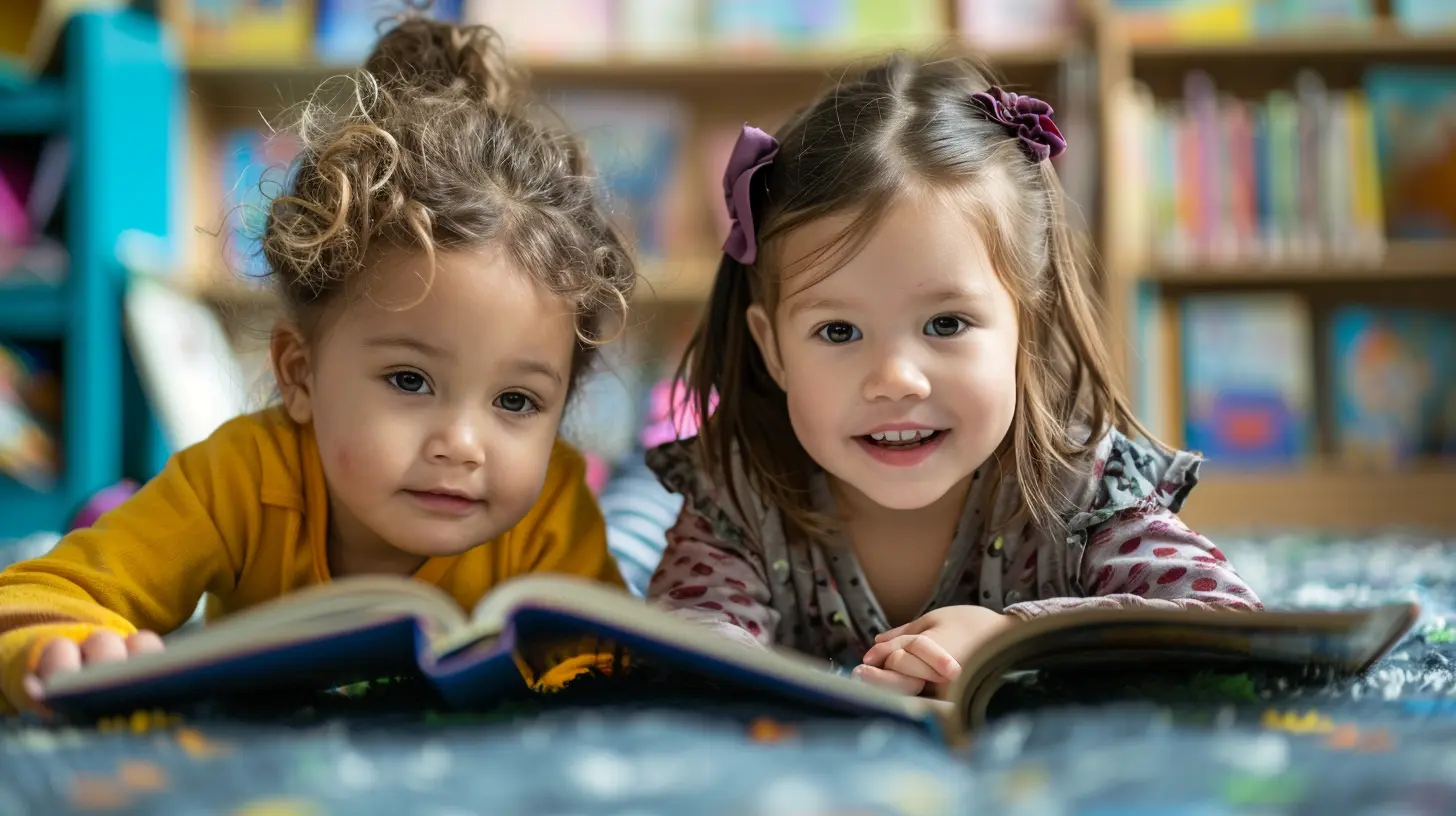
Understanding Learning Differences in Literacy Development
Not all children learn at the same pace or in the same way. Some may struggle with reading, spelling, or comprehension due to learning differences such as:- Dyslexia – Difficulty with reading and phonemic awareness
- Dysgraphia – Struggles with writing and fine motor control
- ADHD – Challenges with focus, memory, and organization
- Auditory Processing Disorder – Difficulty understanding spoken language and following instructions
These challenges can make traditional literacy instruction frustrating for both the child and the educator. But with the right teaching methods, patience, and encouragement, children with learning differences can thrive academically. 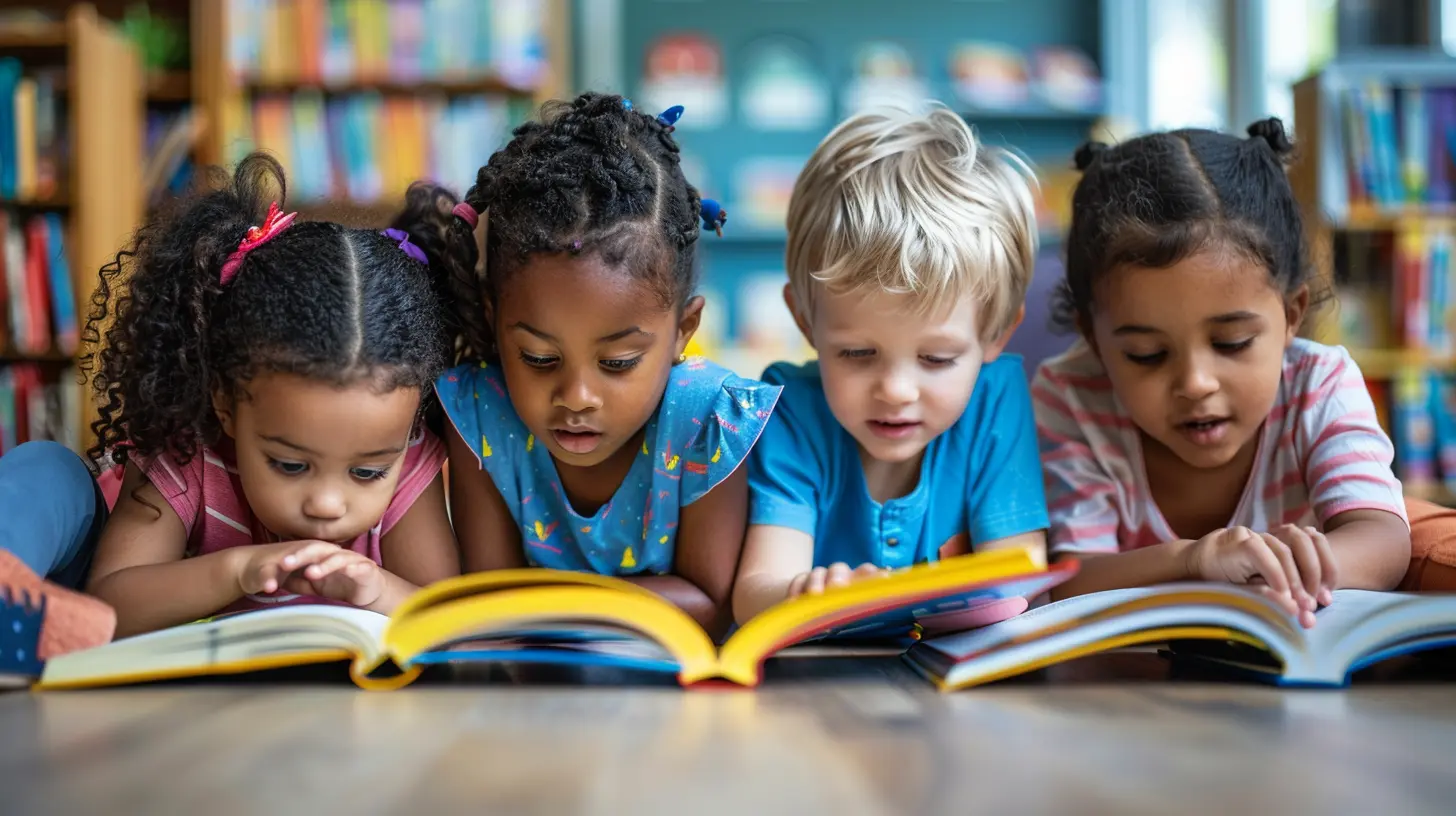
Building a Strong Foundation for Literacy
Before diving into specific strategies, it's crucial to set the stage for success. Here are some foundational steps:1. Create a Supportive Environment
A child’s learning environment plays a huge role in their literacy development. Create a space where reading feels safe and enjoyable rather than stressful and overwhelming.- Be patient and encouraging. Every small achievement is a step forward.
- Eliminate distractions. A quiet space with minimal noise can help with focus.
- Use positive reinforcement. Celebrate progress, no matter how small.
2. Identify the Child’s Learning Style
Every child processes information differently. Some are visual learners, while others are auditory or kinesthetic learners. Understanding how a child learns best allows you to tailor literacy instruction to their strengths.- Visual learners may benefit from flashcards, pictures, and color-coded words.
- Auditory learners might do better with audiobooks and verbal repetition.
- Kinesthetic learners often engage better with hands-on activities like writing in sand or tracing letters. 
Effective Literacy Strategies for Children with Learning Differences
1. Use Multi-Sensory Reading Techniques
For children with learning differences, engaging multiple senses can reinforce reading skills more effectively than traditional methods.- Orton-Gillingham Approach – A structured, multi-sensory approach to reading that integrates sight, sound, and touch.
- Sandpaper Letters – Tracing letters while saying the sounds out loud improves letter recognition.
- Reading Aloud Together – Hearing words while following along visually strengthens comprehension.
2. Leverage Assistive Technology
Technology can be a game-changer for children who struggle with reading and writing.- Text-to-Speech Software – Helps children hear words as they follow along.
- Speech-to-Text Tools – Enables kids to dictate their thoughts instead of struggling with handwriting.
- Audiobooks and E-Readers – Offer adjustable text size and background color to reduce visual strain.
3. Break Literacy Tasks into Small Steps
Big tasks can feel overwhelming for children with learning differences. Breaking them into smaller, manageable steps makes learning more approachable.For example, instead of asking a child to read an entire book, try:
- Reading a paragraph or sentence at a time
- Discussing the meaning of new words together
- Using finger tracking to help keep their place on the page
Small wins build confidence and encourage continued effort.
4. Encourage Interest-Based Reading
One of the best ways to motivate a struggling reader is to tap into their interests.- If they love dinosaurs, get books about dinosaurs.
- If they’re into superheroes, find comics with simple text.
- If they enjoy music, introduce song lyrics as a reading activity.
Connecting reading to their passions makes it feel less like a chore and more like an adventure.
5. Practice Writing in Creative Ways
Writing can be intimidating for children with learning differences, but making it fun takes the pressure off.- Keep a journal – Let them write about their day without worrying about spelling mistakes.
- Use graphic organizers – Help them structure their thoughts visually before writing.
- Write letters or emails – Encourage them to write to a friend, family member, or even their favorite author.
Writing should feel like a tool for self-expression, not a source of stress. 
The Role of Parents and Educators in Literacy Development
1. Read with Them Daily
Reading together builds vocabulary, comprehension, and confidence. Even if they struggle to read on their own, listening to a fluent reader models proper pronunciation and pacing.2. Be Patient and Celebrate Progress
Every child progresses at their own pace. Instead of focusing on what they can’t do yet, celebrate each step forward. Confidence is key to overcoming challenges.3. Advocate for Their Needs
If a child’s learning difference leads to frustration in school, advocate for the right support. Request an Individualized Education Plan (IEP) or 504 Plan to ensure they receive the accommodations they need.Final Thoughts: Every Child Can Shine
Supporting literacy development for children with learning differences may require extra effort, but the rewards are immeasurable. With the right strategies, patience, and encouragement, every child can develop the reading and writing skills they need to flourish.The journey may be challenging, but remember: literacy is not a race. It’s about progress, not perfection. Keep inspiring, keep supporting, and most importantly—keep believing in the child’s potential.
all images in this post were generated using AI tools
Category:
Early LiteracyAuthor:

Charlotte Rogers
Discussion
rate this article
3 comments
Zeal Barrett
Empowering all learners is essential for inclusive education.
June 13, 2026 at 2:52 AM
Thea Rhodes
Inclusive strategies enhance engagement.
June 12, 2026 at 5:07 AM
Zanya Baxter
This article highlights the crucial need for tailored literacy strategies that address diverse learning differences, emphasizing that fostering inclusive environments can significantly enhance reading skills and overall academic success for all children.
June 2, 2026 at 12:08 PM
Charlotte Rogers
Thank you for your insightful comment! I wholeheartedly agree that tailored literacy strategies and inclusive environments are vital for supporting all children's reading skills and academic success.