How Mindfulness Enhances Emotional Intelligence in Schools
21 May 2026
Let’s be honest — school can be stressful. Homework, social dynamics, peer pressure, expectations, tests… it’s a lot! Now imagine trying to navigate all of this with very little awareness of how you feel or how your emotions affect your behavior. That’s where emotional intelligence (EQ) comes in — and guess what? Mindfulness can be a total game-changer when it comes to boosting EQ, especially for students.
In this article, we’ll chat about how mindfulness enhances emotional intelligence in schools, why it matters, and what benefits it brings to the classroom (and beyond). So, sit back, take a deep breath, and let’s get into it.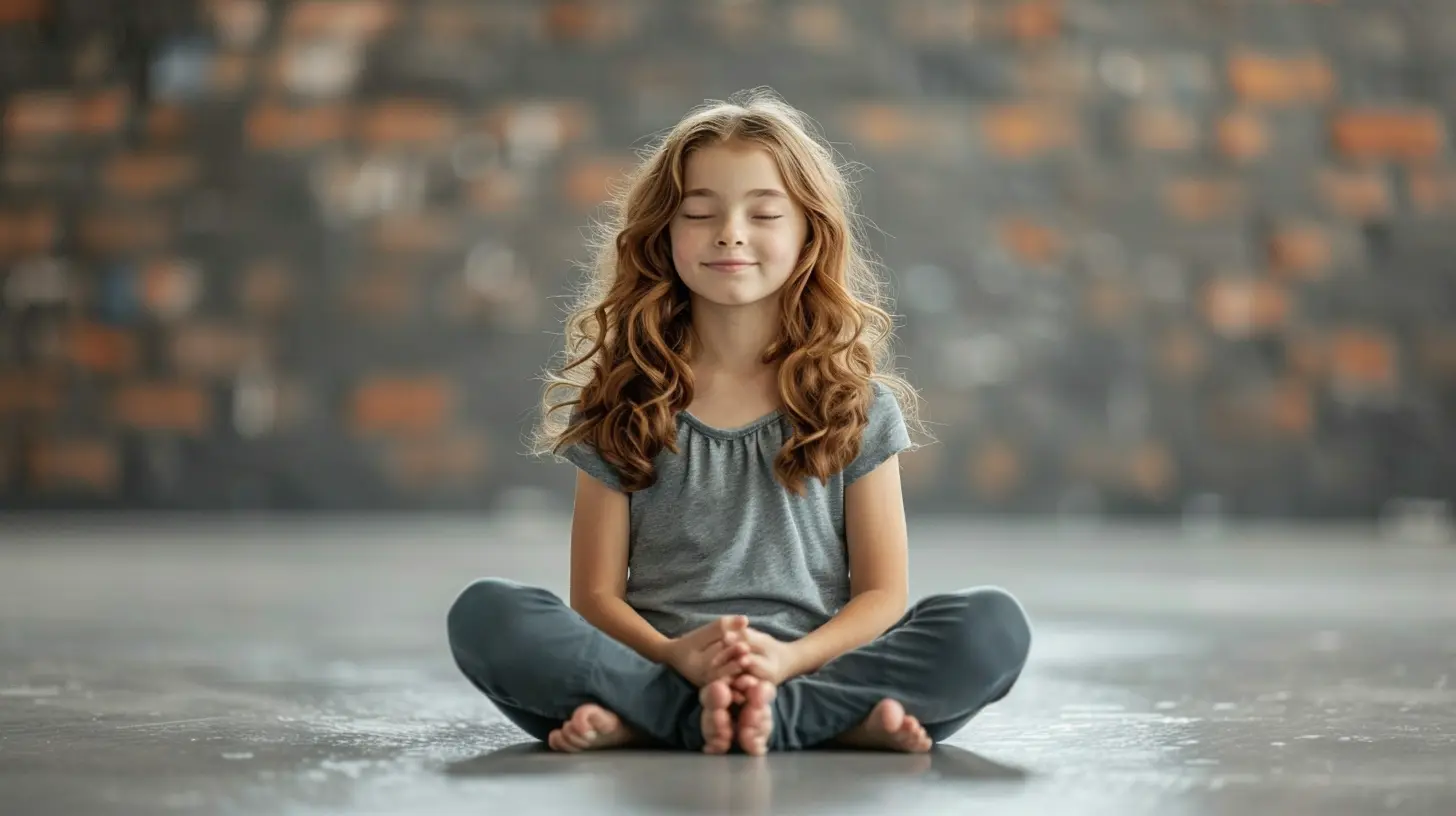
What is Mindfulness, Really?
Before we dive into the connection between mindfulness and emotional intelligence, let’s clear something up: what even is mindfulness?Mindfulness is simply the practice of paying full attention to the present moment — without judgment. It's like turning off autopilot and actually noticing what’s going on with your thoughts, emotions, and surroundings. Think of it as tuning into the “you” channel instead of just flipping through life without thinking.
You don’t need a yoga mat or incense to practice mindfulness (although you totally can use those if you want). It can be something as simple as focusing on your breathing during a stressful moment or noticing how your body feels when you're nervous before a big test.
Let’s Talk Emotional Intelligence
Emotional intelligence is the ability to understand and manage your own emotions — and also recognize and influence the emotions of others. Daniel Goleman, the psychologist who popularized the concept, broke EQ into five core components:1. Self-awareness
2. Self-regulation
3. Motivation
4. Empathy
5. Social skills
Imagine these as your emotional superpowers. The better you get at them, the easier it is to handle stress, talk things out calmly, and build strong relationships — in and out of the classroom.
The Link Between Mindfulness and Emotional Intelligence
Here’s where things get juicy. Mindfulness and emotional intelligence go hand in hand like mac and cheese. Why? Because being mindful helps you become more aware of your emotions, your reactions, and how you relate to others.Let’s break down how exactly mindfulness helps boost each part of EQ:
1. Mindfulness Builds Self-Awareness
Ever reacted in a way that made you think later, “Why did I do that?” That’s where self-awareness could’ve saved the day.Mindfulness teaches you to observe your thoughts and feelings without immediately reacting. It’s like stepping outside your mind and watching what’s going on inside, kind of like being your own emotional detective.
In schools, students who practice mindfulness are more likely to notice when they're getting anxious or frustrated. This awareness can help them pause before acting out — or shutting down.
2. Mindfulness Improves Self-Regulation
We all have emotional outbursts sometimes — it's human. But knowing how to keep those emotions in check is powerful.Mindfulness gives students tools to calm themselves down when they’re upset. Breathing exercises, body scans, or even short meditations can act like emotional resets. Instead of yelling at a classmate or giving up on a tough math problem, they learn to respond instead of react.
That difference between reaction and response? Total game-changer.
3. Mindfulness Enhances Motivation
Motivation is closely tied to how we handle setbacks. Mindful students are more likely to stay present with their challenges instead of getting overwhelmed by them. They can acknowledge their frustration but also move forward — one mindful step at a time.Also, being mindful often increases a student’s intrinsic motivation — meaning they’re driven more by personal growth and less by external rewards like grades or gold stars.
4. Mindfulness Nurtures Empathy
Here’s something cool: by tuning into their own emotions, students also become better at tuning into others'.Mindful practices often include “loving-kindness” meditations or exercises that encourage students to think about how others might feel. This kind of awareness helps students become more compassionate and understanding, which builds empathy.
And empathy? That’s the glue that holds friendships, teamwork, and healthy communication together.
5. Mindfulness Boosts Social Skills
All the self-awareness and empathy in the world would be useless if students didn’t know how to navigate social situations — but mindfulness helps with that, too.When students are mindful, they’re more present in conversations, they listen better, and they’re less likely to misinterpret or overreact. That makes for smoother group projects, fewer arguments, and stronger peer connections.
Real-Life Benefits: What Happens When Schools Embrace Mindfulness?
So, what does all this look like in action? Let’s paint a picture.When schools integrate mindfulness into their daily routines — through short guided meditations, mindful breathing breaks, or even dedicated mindfulness classes — students tend to:
- Show fewer signs of anxiety and depression
- Perform better academically
- Have improved focus and attention
- Experience fewer behavior problems
- Develop more positive relationships with peers and teachers
Several studies back this up. One 2015 study published in the journal Mindfulness found that a 12-week mindfulness program improved emotion regulation and decreased stress in high school students. Another study in Child Development showed that kids who practiced mindfulness had better academic performance and emotional well-being.
Mindfulness Activities That Actually Work in Schools
Now you're probably wondering, "Okay, but what does mindfulness look like in practice?"Great question. Here are a few easy (and actually fun) ways mindfulness is being used in classrooms:
?♂️ Mindful Breathing Exercises
Students focus on their breath for one or two minutes. That’s it. This helps them ground themselves, especially before a test or after recess.? Guided Meditations
Using apps like Headspace or Calm, teachers play short meditations that walk students through calming visualizations or body scans.✍️ Gratitude Journals
Students write down a few things they’re grateful for each day. This fosters a positive mindset and self-reflection.? Mindful Coloring
It’s not just for preschool. Older students benefit from this mellow, creative outlet too. It encourages focus and relaxation.? Circle Time Discussions
Students sit in a circle and share how they’re feeling. This builds emotional vocabulary and helps them practice empathy and active listening.Challenges to Implementing Mindfulness in Schools
Let’s be real — introducing mindfulness into schools isn’t always easy.Some teachers feel they don’t have enough time. Others worry it isn’t “academic” enough. Then there’s the challenge of getting students (especially older ones) to buy in. They might think it’s cheesy or boring.
But here’s the thing: starting small works. Even a few minutes a day can make a difference. And when students actually start to feel the benefits — more calm, better focus, fewer social dramas — they’re more likely to take it seriously.
Also, training teachers in mindfulness first can have a double benefit. When educators practice mindfulness themselves, they become better at managing their own stress and modeling emotional intelligence for students.
Final Thoughts: Mindfulness and EQ — A Power Combo for Student Success
Let’s wrap this up.Emotional intelligence isn’t just some nice-to-have skill — it’s essential for real life. Whether it’s navigating friendships, handling stress, or working through challenging assignments, students need emotional smarts as much as book smarts.
Mindfulness is the bridge. It connects students to their inner world, helps them make sense of their feelings, and teaches them to pause before reacting. And all of that, in turn, enhances emotional intelligence.
So, if we want to build schools where students feel safe, connected, and emotionally strong — mindfulness might just be the secret sauce we’ve been missing.
all images in this post were generated using AI tools
Category:
Mindfulness In EducationAuthor:

Charlotte Rogers
Discussion
rate this article
4 comments
Seth Fry
Mindfulness in schools? Absolutely! Because who wouldn't want emotionally intelligent students instead of drama queens? Let's elevate the classroom vibe!
August 9, 2026 at 3:04 AM
Miriam Collins
Mindfulness: the secret superhero for smarter, kinder classrooms!
June 5, 2026 at 3:33 AM
Charlotte Rogers
Thank you! Mindfulness truly empowers both educators and students, fostering emotional intelligence and creating a more compassionate learning environment.
Nala McCullough
The article effectively highlights the synergy between mindfulness and emotional intelligence in educational settings. However, it would benefit from specific examples of successful implementations. Furthermore, exploring potential challenges schools may face in adopting mindfulness practices could provide a more balanced perspective.
May 31, 2026 at 6:50 PM
Charlotte Rogers
Thank you for your insightful feedback! I appreciate your suggestion for including specific examples and addressing potential challenges; I'll consider these points for future revisions.
Betsy Palmer
Absolutely love this! Mindfulness is a fantastic way to boost emotional intelligence—it's like giving students a superpower for their feelings!
May 31, 2026 at 4:58 AM
Charlotte Rogers
Thank you! I completely agree—mindfulness truly empowers students to understand and manage their emotions effectively.