The Importance of Grace and Courtesy Lessons in Montessori Education
1 May 2026
When you think of education, what comes to mind? Reading, math, science, maybe even art? Sure, those subjects are essential, but what about the lessons that help children develop as respectful, considerate, and kind individuals? That’s where Grace and Courtesy lessons in Montessori Education come into play. These lessons, though often overlooked, are at the heart of Montessori learning, shaping children into thoughtful, empathetic human beings. They go beyond academics, helping children navigate social situations, interact with others, and contribute positively to their communities.
But why are these lessons so important, and how do they fit into the Montessori philosophy? Let’s dive into the world of Grace and Courtesy, and you’ll see that it’s not just about "please" and "thank you" – it’s about fostering a culture of respect, empathy, and collaboration that lasts a lifetime.

What Are Grace and Courtesy Lessons?
Before we explore their importance, let’s clarify what Grace and Courtesy lessons actually are. At their core, these lessons teach children the social behaviors and manners that are necessary for harmonious living. But in the Montessori environment, Grace and Courtesy go much deeper than traditional etiquette or manners.Dr. Maria Montessori believed that children are naturally inclined to be social beings. They want to be a part of their community, and they thrive when they understand how to interact respectfully and effectively with others. Grace and Courtesy lessons are designed to give children the tools they need to participate in social life, from learning how to greet someone to understanding how to take turns in a conversation.
Grace refers to the way a child carries themselves — with poise, calmness, and confidence. Courtesy covers the behaviors that show respect for others, such as saying “excuse me” or “thank you.” Together, they form the foundation of good manners, but more importantly, they foster a deep sense of respect for oneself, others, and the environment.
Examples of Grace and Courtesy Lessons in Montessori
Wondering what these lessons look like in practice? They can take many forms, depending on the child’s age and developmental stage. Here are some common examples of Grace and Courtesy lessons in a Montessori classroom:- How to Ask for Help: Instead of interrupting, children are taught to approach an adult or another child respectfully, perhaps placing a hand on their shoulder and waiting for acknowledgment.
- How to Apologize: Children are shown how to say sorry sincerely, not just as a reflex, but with understanding and empathy for the other person’s feelings.
- How to Use Quiet Voices Indoors: In a Montessori classroom, silence and calm are highly valued. Children learn to speak softly so as not to disturb the concentration of others.
- How to Offer Help: Children are encouraged to notice when someone might need assistance and offer their help in a kind and thoughtful way.
- How to Walk in the Classroom: Montessori classrooms are designed to be calm, focused environments. Children are taught to walk quietly and carefully, respecting the space and the people around them.
These lessons are often presented through role-playing or modeled by the teacher, and over time, children begin to internalize these behaviors and use them naturally in their interactions with others.

Why Are Grace and Courtesy Lessons Important?
You might be thinking, "Why spend time teaching these things? Won’t kids pick that up naturally?" In some ways, yes, children learn social behaviors by observing the adults around them. But Grace and Courtesy lessons go beyond simple imitation. They provide a structured way for children to understand why these behaviors matter and how they contribute to a peaceful and cooperative environment.1. Fostering Respect for Others
One of the key reasons Grace and Courtesy lessons are so important is that they teach children respect — not just for others, but for themselves and their environment. When children learn how to be polite, wait their turn, and speak kindly, they are learning to value the people around them. This respect extends to the community as a whole, fostering a sense of belonging and shared responsibility.2. Building Social Confidence
For a young child, navigating social situations can be intimidating. Grace and Courtesy lessons give them the tools they need to interact with others confidently. When a child knows how to introduce themselves, ask for help, or apologize, they feel more secure in social settings. This confidence can carry over into other areas of their life, making them more willing to participate, collaborate, and engage with the world around them.3. Enhancing Emotional Intelligence
Grace and Courtesy lessons are also a powerful tool for developing emotional intelligence. By teaching children how to recognize and respond to the emotions of others, these lessons help children become more empathetic. They learn to put themselves in someone else’s shoes, which is a crucial skill for forming strong, healthy relationships.4. Promoting Independence and Responsibility
In a Montessori classroom, children are given the freedom to move about and choose their activities. But with that freedom comes responsibility. Grace and Courtesy lessons help children understand how their actions affect others and how to take responsibility for their behavior. For example, when a child learns to clean up after themselves, they are not only caring for the environment but also showing respect for their peers who share the space.5. Creating a Peaceful Learning Environment
Imagine a classroom where children constantly interrupt each other, shout across the room, or refuse to share materials. It would be chaotic, right? Grace and Courtesy lessons help create a calm, focused environment where children can concentrate on their work without distractions. When children understand how to behave respectfully and kindly, the classroom becomes a more peaceful and productive place for everyone.
How Montessori Teaches Grace and Courtesy
Now that we’ve established why Grace and Courtesy lessons are so important, let’s take a look at how they are actually taught in a Montessori setting.1. Modeling Behavior
In the Montessori classroom, teachers (often called "guides") play a crucial role in modeling Grace and Courtesy. Children learn by observing the adults around them, so Montessori guides are always mindful of their own behavior. Whether it’s greeting a child in the morning, solving a conflict calmly, or showing patience when a child is struggling, the guide sets an example for how to treat others with respect and kindness.2. Role-Playing
Role-playing is another common method used to teach Grace and Courtesy. Children may take turns acting out various social situations, such as greeting a friend, asking to join a game, or expressing frustration in a respectful way. This type of practice allows children to experiment with different behaviors in a safe and supportive environment.3. Real-Life Practice
While role-playing and modeling are important, the real learning happens when children are given the opportunity to practice Grace and Courtesy in real-life situations. In a Montessori classroom, children are encouraged to interact with their peers and adults throughout the day, whether it’s during group work, snack time, or transitions between activities. These interactions provide endless opportunities for children to practice the skills they’ve learned.4. Gentle Corrections
In Montessori education, mistakes are seen as opportunities for learning. When a child forgets to use their “please” or “thank you,” the guide doesn’t scold them. Instead, they offer a gentle reminder or demonstrate the appropriate behavior. This positive, supportive approach helps children feel safe and encourages them to keep practicing without fear of failure.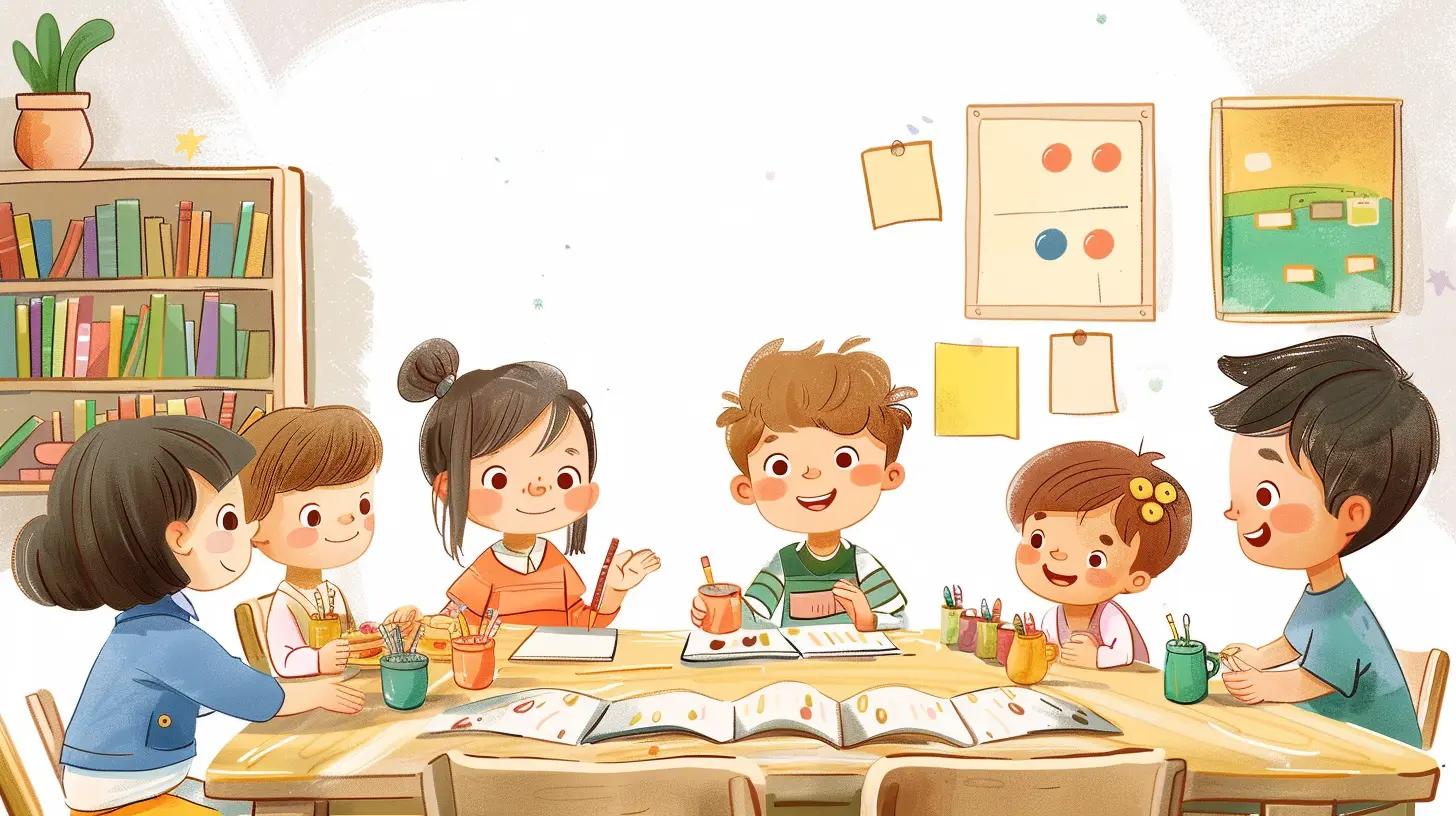
Grace and Courtesy Beyond the Classroom
One of the most beautiful things about Grace and Courtesy lessons is that their impact extends far beyond the classroom. These are life skills that children carry with them into adulthood. The ability to communicate effectively, show empathy, and behave respectfully will serve them in their personal relationships, in the workplace, and in their communities.Moreover, Grace and Courtesy lessons contribute to the development of a more compassionate and peaceful society. When children learn from a young age to value others, to listen, and to collaborate, they grow into adults who are capable of working together to solve problems and create positive change.
Conclusion: The Heart of Montessori Education
Grace and Courtesy lessons may not involve flashcards or textbooks, but they are just as essential as any academic subject. In fact, they form the foundation of a successful Montessori education. By teaching children how to interact with others in a respectful, kind, and empathetic way, we are helping to shape not just good students, but good people.So, the next time you think of education, remember that it’s not just about reading, writing, and arithmetic. It’s also about teaching children how to navigate the world with grace, courtesy, and compassion. And in the Montessori classroom, that’s exactly what Grace and Courtesy lessons are all about.
all images in this post were generated using AI tools
Category:
Montessori EducationAuthor:

Charlotte Rogers
Discussion
rate this article
4 comments
Jolene Bellamy
Grace and courtesy lessons empower children to build respect, empathy, and effective communication skills.
July 26, 2026 at 12:28 PM
Theodora Kearns
In the tender dance of learning, grace and courtesy bloom, nurturing hearts and minds, fostering harmony—Montessori's gentle touch transforms the world, one child at a time.
May 17, 2026 at 3:01 AM
Charlotte Rogers
Thank you for beautifully capturing the essence of Montessori education! Grace and courtesy are indeed vital in nurturing empathetic and respectful individuals.
Karson McGarvey
Unlocking potential: grace hides deeper truths.
May 2, 2026 at 3:34 AM
Charlotte Rogers
Thank you for your insightful comment! Grace truly reveals the deeper connections and understanding we cultivate through Montessori education.
Rhea Mendoza
Why do Montessori students seem so polite? Because they’ve mastered the art of grace and courtesy, where saying "please" and "thank you" is as essential as learning to tie shoelaces! Who knew manners could be a ticket to a harmonious classroom—and life? 🌟
May 1, 2026 at 4:31 AM
Charlotte Rogers
Absolutely! Grace and courtesy are foundational in Montessori education, fostering respect and kindness that enrich both the classroom and everyday interactions. 🌱