The Montessori Approach to Teaching Science and Nature
21 March 2026
Science and nature are all around us—whether it's the tiny ants marching in a straight line or the vast, starry sky above. But how do we teach young children to observe, question, and develop a deep appreciation for the wonders of the natural world? The Montessori approach provides a unique and engaging way to introduce science and nature to children in a way that feels natural, exciting, and hands-on.

What is the Montessori Method?
Before we dive into how Montessori connects to science and nature, let’s take a step back and understand the foundation of this teaching philosophy.The Montessori approach, developed by Dr. Maria Montessori in the early 1900s, is a child-centered educational method that values independence, hands-on learning, and respect for a child's natural curiosity. Rather than traditional rote memorization or rigid instruction, Montessori classrooms focus on exploration and discovery.
Now, how does this approach shape the way kids learn about science and nature? Let's break it down.
Why Science and Nature Matter in Montessori Education
Children are natural scientists. Have you ever noticed how kids love to dig in the dirt, chase butterflies, or collect shiny rocks? Montessori educators embrace this curiosity and use it to fuel scientific learning.The Benefits of Teaching Science and Nature the Montessori Way
- Encourages Curiosity and Exploration – Instead of passively receiving information, children actively explore and discover for themselves.- Develops Critical Thinking – Kids learn to ask "why" and "how," building the foundation for problem-solving skills.
- Strengthens Connection to the Natural World – By engaging with nature, children develop a lifelong respect and appreciation for the environment.
- Supports Hands-On Learning – Montessori science activities involve touching, seeing, experimenting, and interacting.

How Montessori Teaches Science and Nature
Montessori classrooms don't rely on textbooks and lectures. Instead, they provide hands-on experiences that allow children to engage with scientific concepts in a meaningful way.1. Hands-On Experiments and Sensory Learning
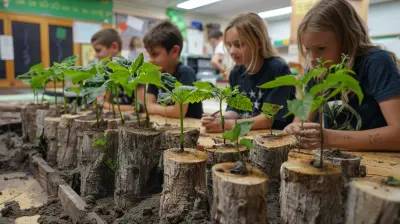
Montessori science learning is rooted in real experiences. Instead of just reading about plants, kids plant seeds and observe their growth. Instead of being told how magnets work, they play with magnetic materials to see attraction and repulsion in action.Example Activities:
- Planting a small garden and tracking plant growth.- Observing the life cycle of butterflies with real caterpillars.
- Mixing baking soda and vinegar to explore chemical reactions.
These activities make abstract concepts tangible, helping children understand science in an intuitive way.
2. Nature Walks and Outdoor Exploration
The natural world is the best classroom. Montessori teachers often take children outside to explore their surroundings, whether it's a school garden, a park, or a nearby forest.How Nature Walks Benefit Learning:
- Children observe seasonal changes firsthand.- They learn about local wildlife, plants, and ecosystems.
- It fosters mindfulness and a deep connection to nature.
Instead of learning about different types of leaves from a picture book, kids collect real leaves, compare shapes and textures, and discuss their observations. This hands-on connection makes learning more impactful.
3. Montessori-Inspired Science Materials
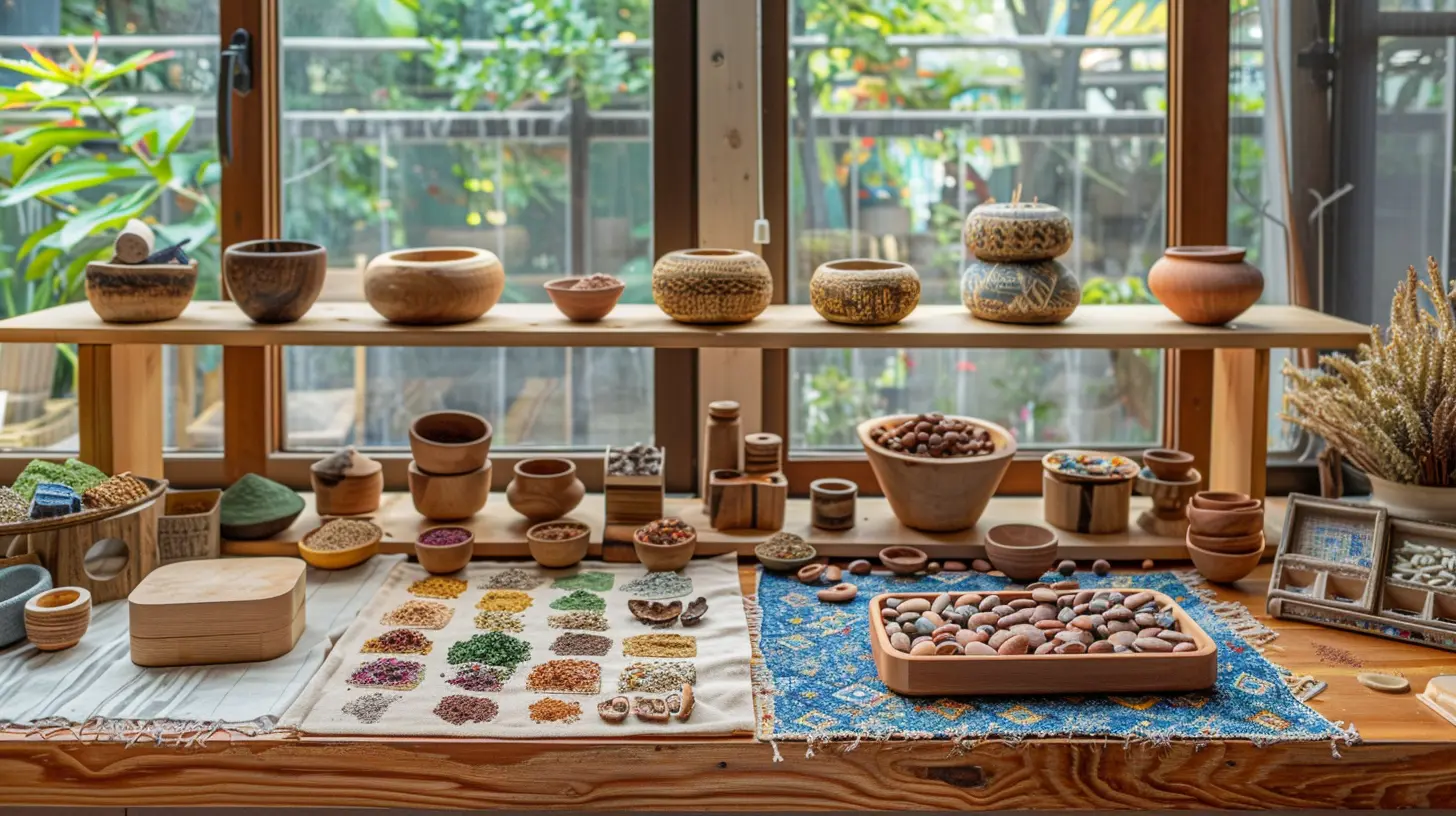
Montessori classrooms are filled with specially designed materials that encourage scientific thinking. Instead of traditional worksheets, children interact with objects that make learning engaging.Examples of Montessori Science Materials:
- Botany Puzzles – These help kids understand the structure of flowers, leaves, and trees.- Life Cycle Charts – Children can visually follow the transformation of animals like frogs and butterflies.
- Magnifying Glasses and Microscopes – Encourage close observation of small details in nature.
These materials allow children to explore scientific principles in a hands-on, concrete way.
4. The Power of Observation
Dr. Montessori believed that observation is key to scientific thinking. Children in a Montessori classroom are encouraged to observe the world around them, ask questions, and draw conclusions.Instead of giving kids all the answers, Montessori teachers guide them to discover answers for themselves. If a child notices that flowers open during the day and close at night, the teacher might respond with, "That's interesting! What do you think is happening?" This encourages curiosity and independent thinking.
5. Real-Life Applications of Science
One of the best things about the Montessori approach is that it connects science to everyday life. Whether it's cooking (which involves chemistry), measuring ingredients (math and science), or caring for pets (biology), Montessori children see science in action all around them.By making science a part of daily life, children develop a natural love for discovery without even realizing they're learning.
How Parents Can Encourage Montessori Science Learning at Home
You don't need a Montessori classroom to introduce your child to hands-on science and nature! Parents can easily incorporate Montessori principles into everyday life.Simple Ways to Bring Montessori Science into Your Home
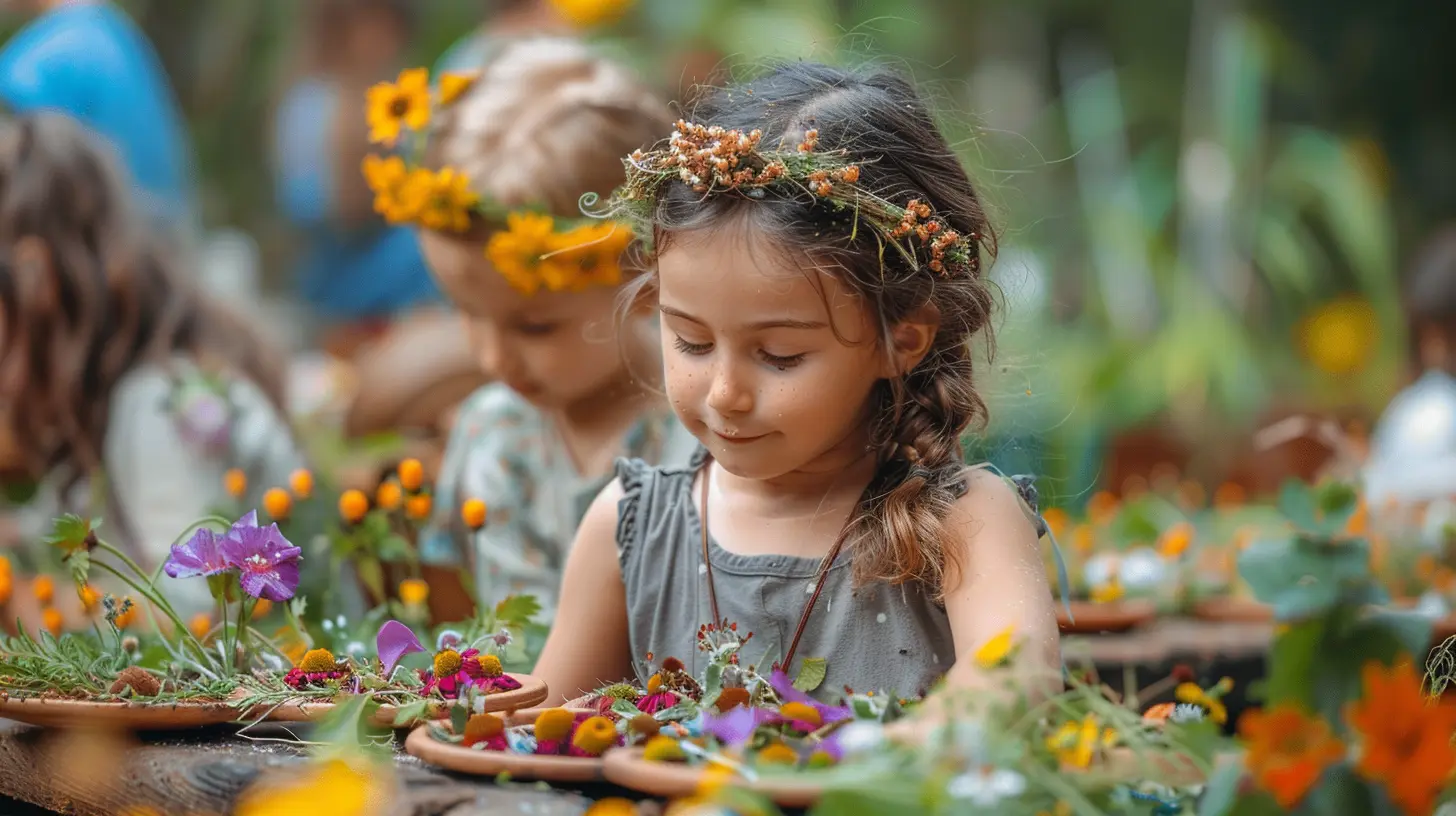
- Encourage Outdoor Play – Let your child explore, dig in the dirt, and observe insects.- Create a Nature Table – Collect interesting natural objects like rocks, shells, or leaves and discuss them.
- Ask Open-Ended Questions – Instead of giving answers, ask your child, "What do you think?" or "How do you think that works?"
- Provide Simple Science Experiments – Try growing sprouts in a glass jar or making a homemade volcano using baking soda and vinegar.
By making science an everyday adventure, you help your child develop a lifelong curiosity and love for learning.
Final Thoughts
The Montessori approach to teaching science and nature is all about hands-on exploration, curiosity, and discovery. Instead of just memorizing facts, children engage with the world around them, forming a deep and lasting connection to science.Through interactive experiments, outdoor exploration, and observation-based learning, Montessori children develop a sense of wonder that stays with them for life. Whether in a classroom or at home, embracing this approach helps children see science not as a subject, but as an exciting journey of discovery.
all images in this post were generated using AI tools
Category:
Montessori EducationAuthor:

Charlotte Rogers
Discussion
rate this article
4 comments
Bernadette Bowman
What a wonderful exploration of the Montessori approach! It beautifully illustrates how hands-on experiences in science and nature can ignite curiosity in young learners. By fostering independence and encouraging exploration, we empower children to connect with the world around them. Excited to see more articles like this! Keep up the great work!
March 23, 2026 at 7:23 PM
Charlotte Rogers
Thank you so much for your kind words! I'm thrilled you enjoyed the article and appreciate your support for hands-on learning in the Montessori approach. Stay tuned for more!
Jocelyn Powell
The Montessori approach fosters curiosity and hands-on learning, making science and nature truly engaging for students.
March 23, 2026 at 2:08 PM
Charlotte Rogers
Thank you! The Montessori approach indeed encourages exploration and fosters a love for learning in science and nature. I'm glad you found it engaging!
Thomas McTavish
Loved this insightful article! The Montessori approach truly opens up a world of exploration for kids, fostering curiosity and a love for science and nature. Great read for educators and parents alike!
March 22, 2026 at 5:29 AM
Charlotte Rogers
Thank you so much! I'm glad you found the article insightful and that the Montessori approach resonates with you!
Sylas McKeehan
Thank you for sharing this insightful article on the Montessori approach! It's inspiring to see how children can discover science and nature through hands-on experiences. This method not only fosters curiosity but also deepens their connection to the world around them. A wonderful reminder of the joy of learning!
March 21, 2026 at 1:37 PM
Charlotte Rogers
Thank you for your thoughtful comment! I'm glad you found the article inspiring and appreciate the Montessori approach's emphasis on hands-on learning.