The Neuroscience Behind Mindfulness and Learning
4 June 2026
Let’s face it—our brains are constantly juggling tasks, thoughts, distractions, and emotions. In a world packed with notifications, stress, and deadlines, it’s tough to focus, let alone actually learn something new. But what if there was a way to train your brain to be more focused, calmer, and better at absorbing information? That’s where mindfulness comes into play.
You’ve probably heard the buzz about mindfulness, right? It’s not just a trendy term tossed around by yoga instructors and wellness blogs. There’s real science backing it up, and it’s changing how we understand learning at the brain level. So, let's dive into the fascinating world of neuroscience to see exactly how mindfulness can rewire your brain and supercharge your ability to learn.
What Is Mindfulness, Really?
Mindfulness is more than just sitting cross-legged and breathing deeply. At its core, mindfulness is the practice of paying full attention to the present moment — without judgment. Sounds simple, but in practice? Super challenging. It’s about noticing what’s happening right now — your thoughts, feelings, sensations — and not letting your mind wander into the past or future.This practice strengthens mental muscles — kind of like going to the gym, but for your mind.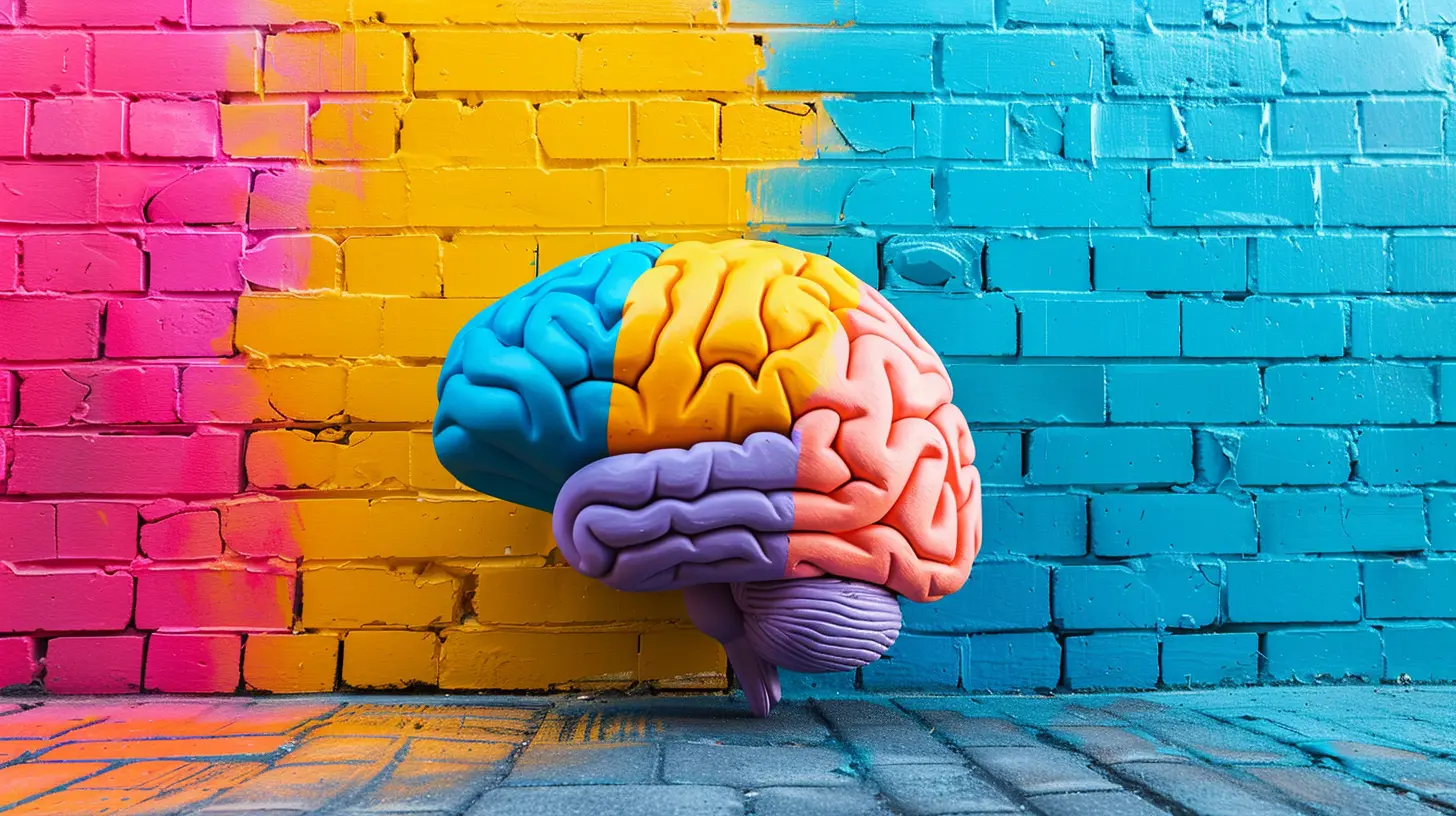
Your Brain On Mindfulness: What’s Actually Happening?
When you practice mindfulness, incredible things start happening in your brain. Thanks to fMRI scans, neuroscientists have actually watched mindfulness change how the brain functions and even how it’s structured.Here’s what’s going on under the hood:
1. Thickening of the Prefrontal Cortex
The prefrontal cortex is the CEO of your brain — it handles executive functions like decision-making, reasoning, and focus. Mindfulness has been shown to increase gray matter in this area, making it stronger and more efficient. Think of it as sharpening the brain’s control center.2. Shrinking of the Amygdala
The amygdala is your brain’s alarm system — it processes fear and stress. Chronic stress beefs it up, making you more reactive. But meditation can actually shrink the amygdala, decreasing your stress reactivity. That means you’re calmer, more composed, and less likely to freak out during tough situations.3. Strengthening the Hippocampus
The hippocampus plays a major role in memory and learning. Mindfulness helps maintain and even grow this vital structure, which means better memory retention and easier learning.4. Better Brain Connectivity
Mindfulness boosts connectivity between different parts of the brain, especially between emotional and rational regions. That means you’re not just reacting to emotion — you’re processing thoughts more clearly and responding with awareness.
How Mindfulness Enhances Learning
So, why should students, educators, and lifelong learners care about this? Because less stress and more focus mean better learning. Period.1. Improves Focus and Attention
Let’s be honest: our attention spans have tanked in the digital age. But mindfulness trains your brain to anchor your focus, even in a whirlwind of distractions. One study found that just a few weeks of mindfulness practice significantly improved the ability to concentrate and stay on task.Think of focus as a flashlight. Without training, it's flickering all over the place. With mindfulness, it becomes a laser—precise and steady.
2. Reduces Stress and Anxiety
Stress messes with learning big time. When you're stressed, your brain floods with cortisol, which impairs memory and focus. Mindfulness calms the nervous system, reduces cortisol, and makes learning actually enjoyable rather than a pressure cooker.3. Enhances Working Memory
Working memory is like your brain’s sticky note—it holds onto information just long enough to use it. Mindfulness helps expand the capacity of that sticky note, so you can hold and manipulate more information at once.4. Boosts Emotional Regulation
Ever bombed a test just because you were so nervous? That’s your emotions hijacking your brain. Mindfulness helps you recognize those feelings without drowning in them, giving you more emotional control during high-pressure learning environments.
Mindfulness in the Classroom
Teachers, this part’s for you. Introducing mindfulness into the classroom doesn’t mean replacing math lessons with meditation circles. It means integrating short, simple practices that can radically change classroom dynamics.Quick Wins for Teachers:
- Start the day with 3 minutes of breathing exercises- Use mindful listening games to improve attention
- Have students do a quick body scan before tests
- Encourage journaling to practice reflective awareness
Schools that implement mindfulness programs report fewer behavioral issues, improved focus, and better academic performance. It’s not magic — it’s science at work.
Mindfulness for Self-Directed Learners
Not in school? No problem. Whether you're learning a new language, taking online courses, or just reading more books, mindfulness can be your secret weapon.How to Add Mindfulness to Your Learning Routine:
- Start study sessions with 60 seconds of focused breathing- Take regular "awareness breaks" to check in with your thoughts
- Practice gratitude journaling to foster a positive mindset
- Use the "STOP" method (Stop, Take a breath, Observe, Proceed) when distracted
These micro-practices can help you stay grounded, learn more deeply, and stay motivated over the long haul.
The Science Speaks: What the Research Says
Still need convincing? Here’s a snapshot of what the research shows:- A study from Harvard found participants who practiced mindfulness for just 8 weeks showed measurable changes in brain areas related to memory, empathy, and stress regulation.
- University of California research found that students trained in mindfulness performed better on GRE reading comprehension and working memory tasks.
- Schools that added mindfulness programs saw up to 60% reduction in ADHD symptoms and significant gains in academic performance.
When study after study backs something up, it’s time to take it seriously.
The Mind-Brain-Body Connection
Everything’s connected — your thoughts, your emotions, your body. Mindfulness doesn’t just impact your brain; it influences your entire being.When you're mindful:
- Your breathing slows
- Your heart rate stabilizes
- Your body relaxes
- Your brain processes more efficiently
This holistic calm translates into better learning outcomes. It’s like upgrading your entire operating system.
But Wait...Is Mindfulness a Quick Fix?
Absolutely not. It’s a practice, not a magic pill. The benefits of mindfulness build over time, kind of like compound interest for your brain. You won’t see dramatic changes overnight, but consistent practice — even just five minutes a day — adds up fast.Think of it like watering a plant. You won’t see growth immediately, but keep at it, and one day you’ll wake up to a full bloom.
Simple Mindfulness Practices You Can Start Today
Feeling inspired? Great! Let’s get practical. You don’t need to climb a mountain or attend a silent retreat. Start small with these easy practices:1. Mindful Breathing
Set a timer for 2 minutes. Inhale slowly for 4 seconds, hold for 4, exhale for 6. Focus only on your breath.2. Body Scan
Close your eyes and bring your attention to each part of your body, from toes to head. Notice sensations without judgment.3. Mindful Observation
Pick an everyday object. Observe it like you’re seeing it for the first time. Notice texture, color, shape, and light reflections.4. Gratitude Moments
At the end of the day, jot down three things you’re thankful for. It shifts your mindset and improves emotional well-being.Final Thoughts
The intersection of neuroscience, mindfulness, and learning is not some woo-woo trend. It’s a powerful, evidence-backed approach to improving how we think, learn, and live. Whether you’re a student, teacher, parent, or lifelong learner, there’s something here for you.Mindfulness isn’t about perfection or peace of mind all the time. It’s about awareness. And that awareness — of your thoughts, emotions, and reactions — can change your brain and your ability to learn more than you ever imagined.
So, what’s stopping you from giving it a try?
all images in this post were generated using AI tools
Category:
Mindfulness In EducationAuthor:

Charlotte Rogers
Discussion
rate this article
3 comments
Vito Long
This article beautifully connects the dots between neuroscience and mindfulness in learning. It's fascinating how our brains respond to mindfulness techniques—who knew a little breathing could boost focus and retention? I can’t wait to try these tips in my own study routine! Thank you for sharing this insight!
June 13, 2026 at 11:52 AM
Charlotte Rogers
Thank you for your thoughtful comment! I'm glad you found the connection between neuroscience and mindfulness valuable. Best of luck in incorporating these techniques into your study routine!
Zina Price
This article beautifully illustrates the connection between mindfulness and enhanced learning through neuroscience. It would be great to see practical tips on incorporating mindfulness practices into daily study routines, making the benefits more accessible for students and educators alike. Well done!
June 10, 2026 at 12:34 PM
Charlotte Rogers
Thank you for your thoughtful comment! I appreciate your suggestion and will consider including practical tips for incorporating mindfulness into study routines in future articles.
Zeth McTigue
Great article! Your insights into the connection between neuroscience, mindfulness, and learning are truly enlightening. It’s wonderful to see how these concepts can enhance our educational experiences. Thank you!
June 8, 2026 at 3:53 AM
Charlotte Rogers
Thank you for your kind words! I'm glad you found the insights valuable.