The Role of Coding in Digital Citizenship Education
26 April 2025
In today's fast-paced digital world, knowing how to code has become more than just a skill for tech geeks or software developers. It's a superpower that can help us navigate the world around us, especially when it comes to understanding and practicing digital citizenship. But what exactly is digital citizenship, and how does coding fit into the picture? Well, let’s buckle up and dive into this fascinating topic!

What Is Digital Citizenship?
Before we get into the nitty-gritty of coding, let’s first break down digital citizenship. Ever heard the phrase, "With great power comes great responsibility?" That pretty much sums it up. Digital citizenship refers to the responsible use of technology by anyone who engages with the digital world. Whether you're posting on social media, sending an email, or just browsing the web, you are exercising your rights and responsibilities as a digital citizen.But it’s not just about knowing how to click the "like" button or share a meme. Digital citizenship is much more profound. It encompasses everything from understanding digital ethics, protecting your privacy, being aware of cyberbullying, to identifying fake news. It’s about being an informed, responsible, and ethical participant in the digital landscape.
Why Is Digital Citizenship Important?
We live in an age where our lives are intertwined with technology. From education and work to social interactions, the internet is now a core part of everything we do. That means being a responsible digital citizen isn’t optional anymore. It’s a must!Think of it like driving a car. You wouldn’t hit the road without knowing the rules, right? The same goes for the digital world. Without understanding the rules and best practices of digital citizenship, you could easily find yourself in a sticky situation—whether that’s falling for a phishing scam or unintentionally spreading misinformation.
And this is where coding comes into play. Coding isn’t just about building websites or creating apps anymore. It’s rapidly becoming an essential element of digital literacy, and it has a significant role in shaping responsible digital citizens.
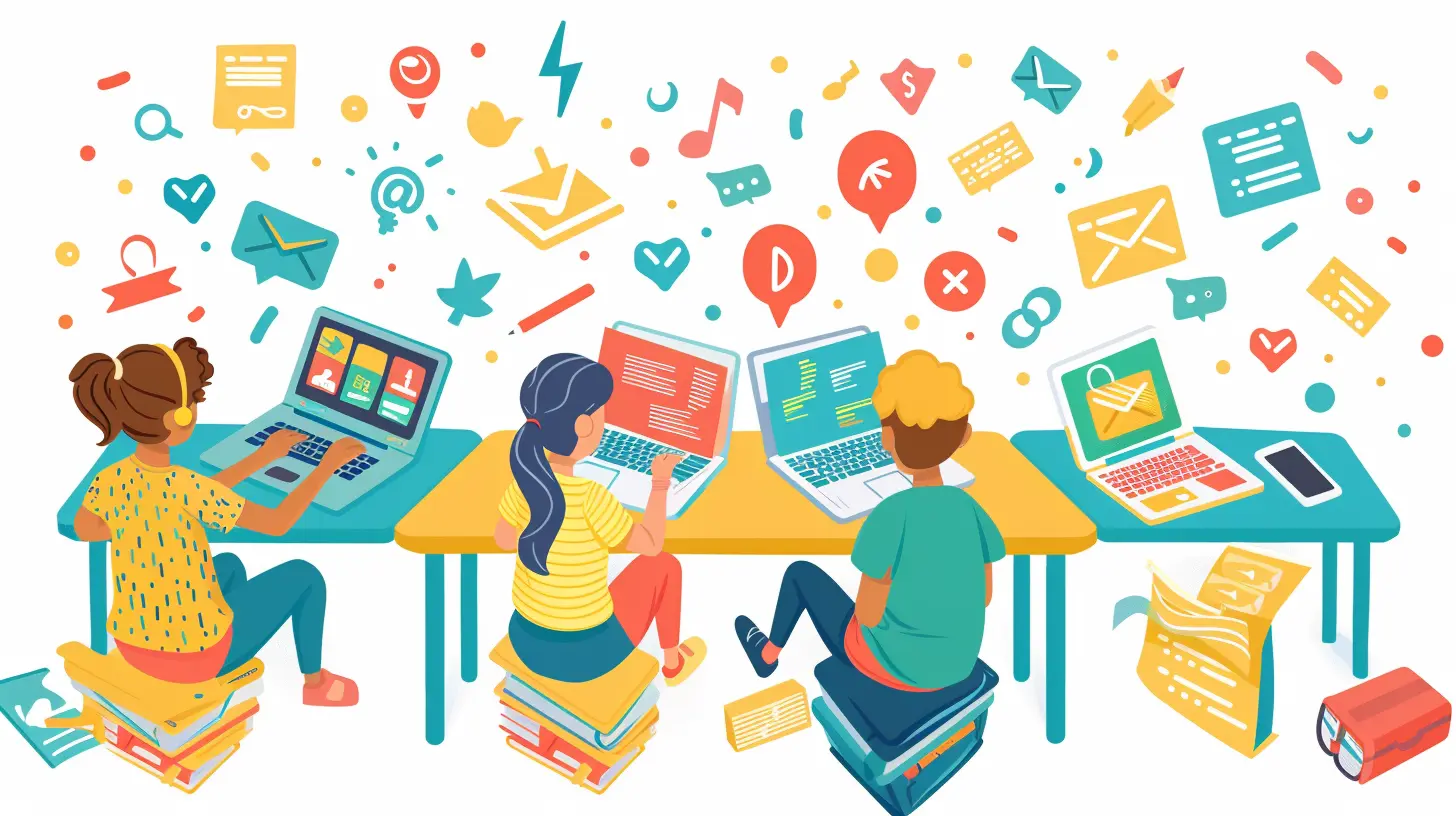
Coding as a Core Element of Digital Literacy
Coding might sound like something only computer science majors need to worry about, but the truth is, coding has become a vital skill for everyone in this digital age. And no, you don’t have to be a tech genius to get the hang of it!What Is Coding?
In simple terms, coding is the process of giving instructions to a computer to perform specific tasks. It’s like learning another language, except this one allows you to communicate with machines. There are many coding languages out there—Python, JavaScript, HTML, just to name a few—but they all serve the same purpose: to make technology do what you want it to do.But why is this important for digital citizenship? Well, coding helps you understand how the digital world works behind the scenes. When you know how websites are built, how algorithms work, or how apps are developed, you gain the tools to critically analyze and interact with digital content. This is key to becoming a more responsible digital citizen.
How Coding Enhances Critical Thinking
One of the most critical aspects of digital citizenship is critical thinking. In a world where information (and misinformation) is just a click away, being able to think analytically is a game-changer. Coding teaches you exactly that.Coding requires problem-solving skills. When you're writing code, you have to break down complex problems into smaller, manageable parts. It’s a bit like solving a puzzle. You also need to think logically and anticipate the outcome of your actions. This kind of critical thinking is essential when you're navigating the digital world.
For example, when you come across a piece of news online, you’ll need to critically evaluate its sources and validity before sharing it. Coding helps train your brain to think in this structured, logical way, making you less likely to fall for fake news or online scams.

Coding and Ethical Digital Behavior
With great digital power comes great digital responsibility. Coding also plays a significant role in shaping ethical digital behavior. When you understand how technology works, you're more likely to use it responsibly.Writing Code, Writing Ethics
When you write code, you’re essentially creating something that will interact with people using the internet. Whether it’s a website, an app, or even a simple program, your creation has the potential to impact users positively or negatively. This is where digital ethics come into play.Think about data privacy, for instance. If you're creating a website, you need to make sure it’s secure and that user information is protected. Understanding how coding works enables you to be more conscious of ethical practices. You’re less likely to design something that compromises user privacy or encourages unethical behavior like hacking or spreading malicious content.
In the same way, digital citizens should be aware of their actions online, ensuring they don’t engage in harmful behaviors like trolling, cyberbullying, or spreading misinformation. Coding can help reinforce these ethical considerations by providing a deeper understanding of the potential consequences of irresponsible digital actions.
Coding and Online Safety
Online safety is another crucial aspect of digital citizenship, and coding plays a vital role in this too. When you understand coding, you are better equipped to spot potential security threats. For instance, you’ll be more aware of how websites track your data or how hackers might exploit vulnerabilities in your computer system.This knowledge empowers you to take the necessary precautions to protect yourself online. You’ll know when a website isn’t secure, how to avoid phishing scams, and the importance of strong passwords and two-factor authentication. In a world where cyber threats are becoming more sophisticated by the day, having a basic understanding of coding can be your best line of defense.
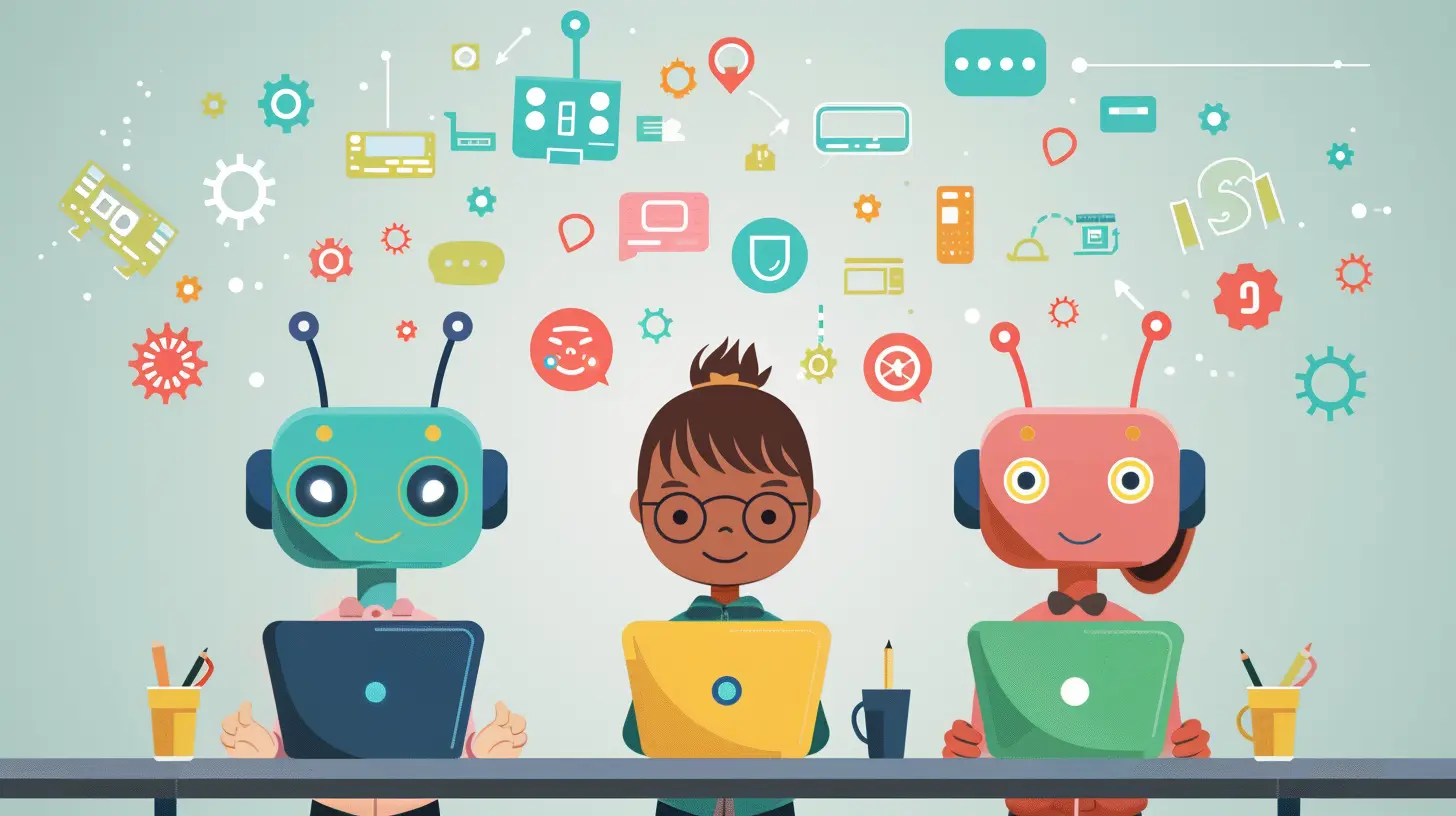
Coding Education and Its Place in Schools
Given the significant role coding plays in shaping digital citizenship, it's no surprise that many schools are now including it in their curricula. But what does coding education look like in practice, and why is it so important for fostering responsible digital citizens?Coding as a 21st-Century Skill
In a world that's rapidly becoming more digital, coding is often touted as a "21st-century skill." But it’s not just about preparing students for careers in tech. Coding teaches valuable life skills, such as problem-solving, adaptability, and resilience.When students learn to code, they learn how to tackle challenges head-on. They understand that failure is a part of the process and that persistence pays off. These are crucial skills, especially in our ever-evolving digital world. Coding education equips students not just to survive in the digital age but to thrive in it.
Fostering Collaboration and Communication
Coding might seem like a solitary activity, but in reality, it often requires collaboration. Whether you're working on a group project or contributing to an open-source platform, coding encourages teamwork and communication. This is an essential aspect of digital citizenship, where collaboration and respectful communication are key to a healthy online community.Moreover, coding helps students learn how to communicate complex ideas in a simple, understandable way. This skill translates into digital literacy, where being able to convey your thoughts clearly and respectfully is crucial for participating in online discussions and debates.
Closing the Digital Divide
One of the most important aspects of teaching coding in schools is that it helps close the digital divide. Not everyone has access to the same technology or digital literacy skills. By making coding education accessible to everyone, we ensure that all students have the opportunity to become informed, responsible digital citizens, regardless of their background.How Can You Get Started with Coding?
So, you're convinced coding is an essential part of digital citizenship education, but where do you start? Don’t worry, you don’t need to be a coding wizard from day one. There are plenty of resources available for beginners, and most of them are free!Beginner-Friendly Coding Platforms
Here are some easy-to-use platforms that can help you get started with coding:1. Scratch – A visual programming language designed for kids, but perfect for beginners of all ages.
2. Codecademy – Offers interactive lessons in various coding languages like Python and JavaScript.
3. Khan Academy – Provides free, comprehensive courses on computer programming.
4. Code.org – A nonprofit offering coding lessons for students and educators alike.
Starting with Small Projects
Once you’ve got the basics down, try working on small projects to build your confidence. You could create a simple webpage, build a basic app, or even develop a fun game. The more you practice, the more comfortable you’ll become.
Conclusion: Coding Is the Key to Digital Citizenship
In a world where technology is king, coding is no longer just a "nice-to-have" skill. It’s a crucial element of digital citizenship. From enhancing critical thinking and promoting ethical online behavior to fostering collaboration and closing the digital divide, coding plays a pivotal role in shaping responsible digital citizens.But remember, you don’t need to be a coding expert to benefit from it. Just gaining a basic understanding of how coding works can empower you to navigate the digital world with confidence and responsibility. So, what are you waiting for? Dive into coding and start your journey towards becoming a better digital citizen today!
all images in this post were generated using AI tools
Category:
Coding In SchoolsAuthor:

Charlotte Rogers
Discussion
rate this article
12 comments
Chelsea Bell
Empowers responsible digital citizens.
February 2, 2026 at 1:31 PM
Charlotte Rogers
Thank you! Empowering responsible digital citizens is indeed a crucial aspect of coding education, helping individuals navigate and contribute positively in the digital world.
Darrow McConnell
This article effectively highlights the crucial intersection of coding and digital citizenship education. By integrating coding skills, students not only learn to create technology but also understand ethical implications and responsible online behavior. This holistic approach prepares them to navigate and shape the digital landscape responsibly.
December 21, 2025 at 3:40 AM
Charlotte Rogers
Thank you for your insightful comment! I’m glad you found the integration of coding and digital citizenship education to be so impactful.
Brooke Yates
Empowering kids with coding skills fosters responsible digital citizens for tomorrow!
November 10, 2025 at 7:25 PM
Charlotte Rogers
Absolutely! Teaching kids coding not only enhances their technical skills but also cultivates critical thinking and responsibility, essential for navigating the digital world.
Alisha Abbott
Who knew coding could be the secret ingredient to being a good digital citizen? It's like learning to ride a bike—once you master it, you can navigate the digital streets without crashing into awkward memes or falling for questionable cat videos. Buckle up, future coders!
October 14, 2025 at 6:42 PM
Charlotte Rogers
Absolutely! Coding empowers individuals to navigate the digital landscape responsibly and critically. It's a fundamental skill for today's digital citizens!
Cassidy Wright
Empowering minds through coding mastery!
September 12, 2025 at 3:49 AM
Charlotte Rogers
Thank you! Coding truly empowers individuals to navigate and contribute to the digital world responsibly.
Wesley Newton
This article highlights the essential connection between coding and digital citizenship education. By equipping students with coding skills, we empower them to navigate, create, and responsibly engage in the digital landscape, fostering informed and ethical digital citizens for the future.
August 4, 2025 at 12:16 PM
Charlotte Rogers
Thank you for your insightful comment! I'm glad you see the vital link between coding skills and fostering responsible digital citizenship among students.
Jessica Baker
Empowering future digital citizens!
July 4, 2025 at 12:24 PM
Charlotte Rogers
Thank you! Empowering future digital citizens is essential for navigating and shaping our digital world responsibly.
June McLoughlin
Sure, coding in digital citizenship education is essential—after all, if your kids can’t code, how will they know how to negotiate with the robots when they inevitably take over? Let’s teach them to program and prepare for a future where their greatest debate is ‘who gets to keep the last cookie?’
June 16, 2025 at 7:45 PM
Charlotte Rogers
Absolutely! Coding empowers students to navigate a tech-driven world, fostering critical skills for their future interactions with AI and technology.
Scout Hensley
This article insightfully highlights how coding enhances digital citizenship, empowering students to navigate technology responsibly. It's essential for fostering critical thinking and problem-solving skills in today's digital landscape.
May 27, 2025 at 11:39 AM
Charlotte Rogers
Thank you for your thoughtful feedback! I'm glad you found the article highlights the importance of coding in enhancing digital citizenship and developing essential skills for today's tech landscape.
Angie McKeehan
Empowerment through coding fosters responsibility.
May 1, 2025 at 7:08 PM
Charlotte Rogers
Thank you for your insight! I completely agree—coding not only develops technical skills but also instills a sense of responsibility in digital citizenship.
Lucy McClendon
Thank you for highlighting the essential connection between coding and digital citizenship. As technology continues to shape our world, empowering students with coding skills not only fosters creativity but also cultivates responsible digital citizens. Your insights are valuable in guiding a generation of informed, ethical users.
April 27, 2025 at 9:03 PM
Charlotte Rogers
Thank you for your thoughtful comment! I'm glad you found the connection between coding and digital citizenship valuable. Empowering students with these skills is indeed crucial for fostering creativity and responsibility in our digital landscape.
Devin McVicker
Coding fosters critical thinking and problem-solving skills essential for responsible participation in today's digital landscape.
April 26, 2025 at 11:34 AM
Charlotte Rogers
Absolutely! Coding empowers individuals to think critically and solve problems, making it a vital skill for effective digital citizenship.
MORE POSTS

Strategies for Balancing Work, Life, and Continuing Education

Unlocking Your Child’s Reading Potential: Early Literacy Tips for Parents

Using Case Studies to Develop Critical Thinking Skills

Breaking Down Barriers: Coding for Students with Disabilities

How to Approach the Essay Section on Standardized Tests

How to Use Formative Assessment to Close Learning Gaps

Fostering Emotional Intelligence in Young Learners

Why Early Literacy Skills Are Essential for Future Academic Success