The Role of Open Source Platforms in Teaching Kids to Code
13 March 2026
Introduction
In today’s tech-driven world, coding has become as essential as reading and writing. But let’s be real—getting kids interested in coding can be a challenge. They'd rather be playing Minecraft than typing lines of code, right? That’s where open-source platforms step in. These game-changing tools make learning to code fun, interactive, and most importantly, free!
Whether your child dreams of building the next big app or just wants to understand how their favorite games work, open-source coding platforms provide a fantastic starting point. Let’s dive into how open-source platforms are shaping the future of coding education for kids and why they might just be the best way to introduce programming to young minds.
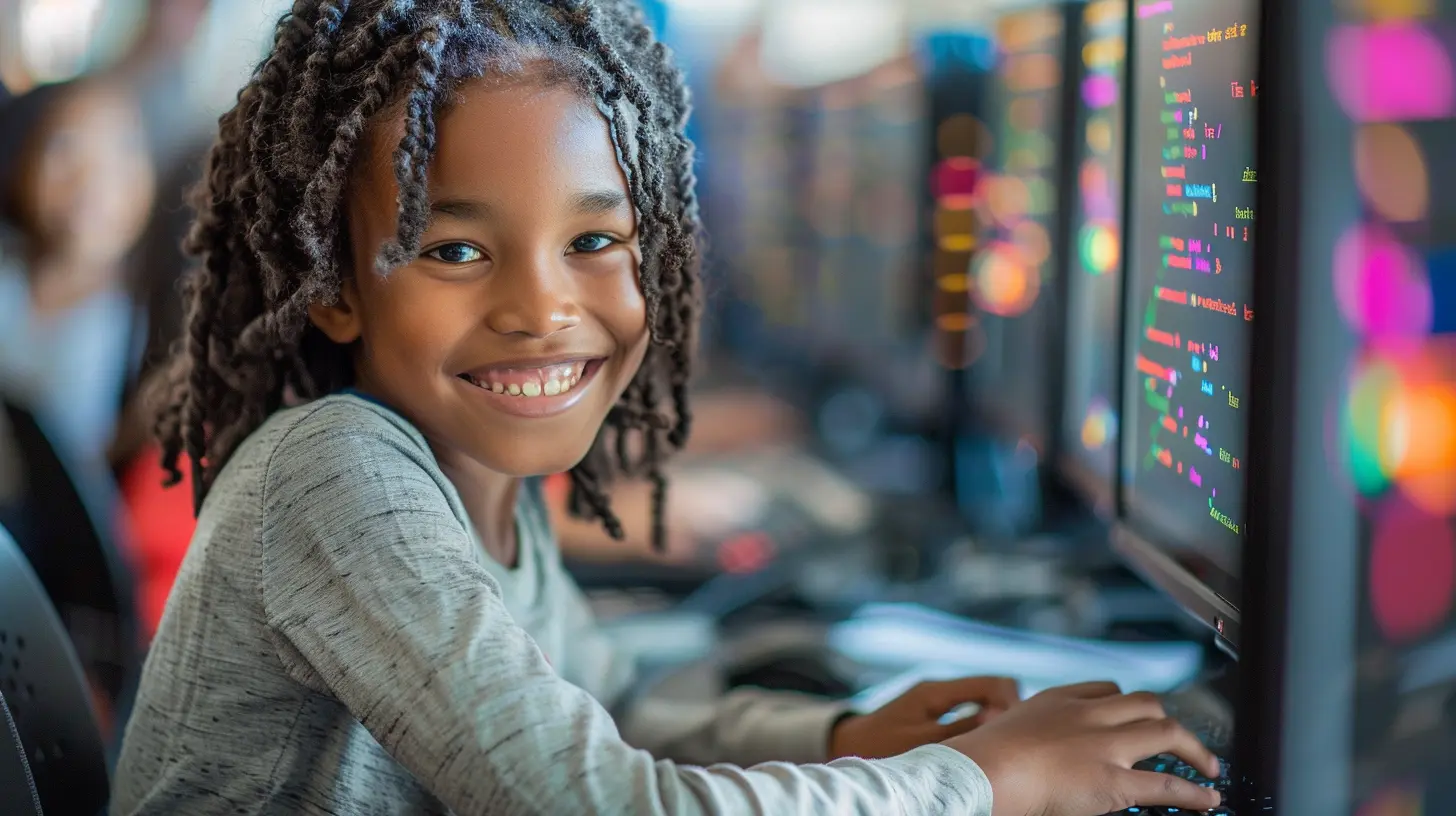
What Are Open Source Platforms?
Before we get into their role in teaching coding, let’s clarify what we mean by "open source." Open-source platforms are software programs that are freely available for anyone to use, modify, and distribute. Unlike proprietary software, which is locked behind paywalls or restricted permissions, open-source tools encourage collaboration and creativity.Think of it like a LEGO set where anyone can add new pieces, change the design, and even share their creations with others. This flexibility makes open-source platforms incredibly valuable for education, especially when it comes to teaching programming.
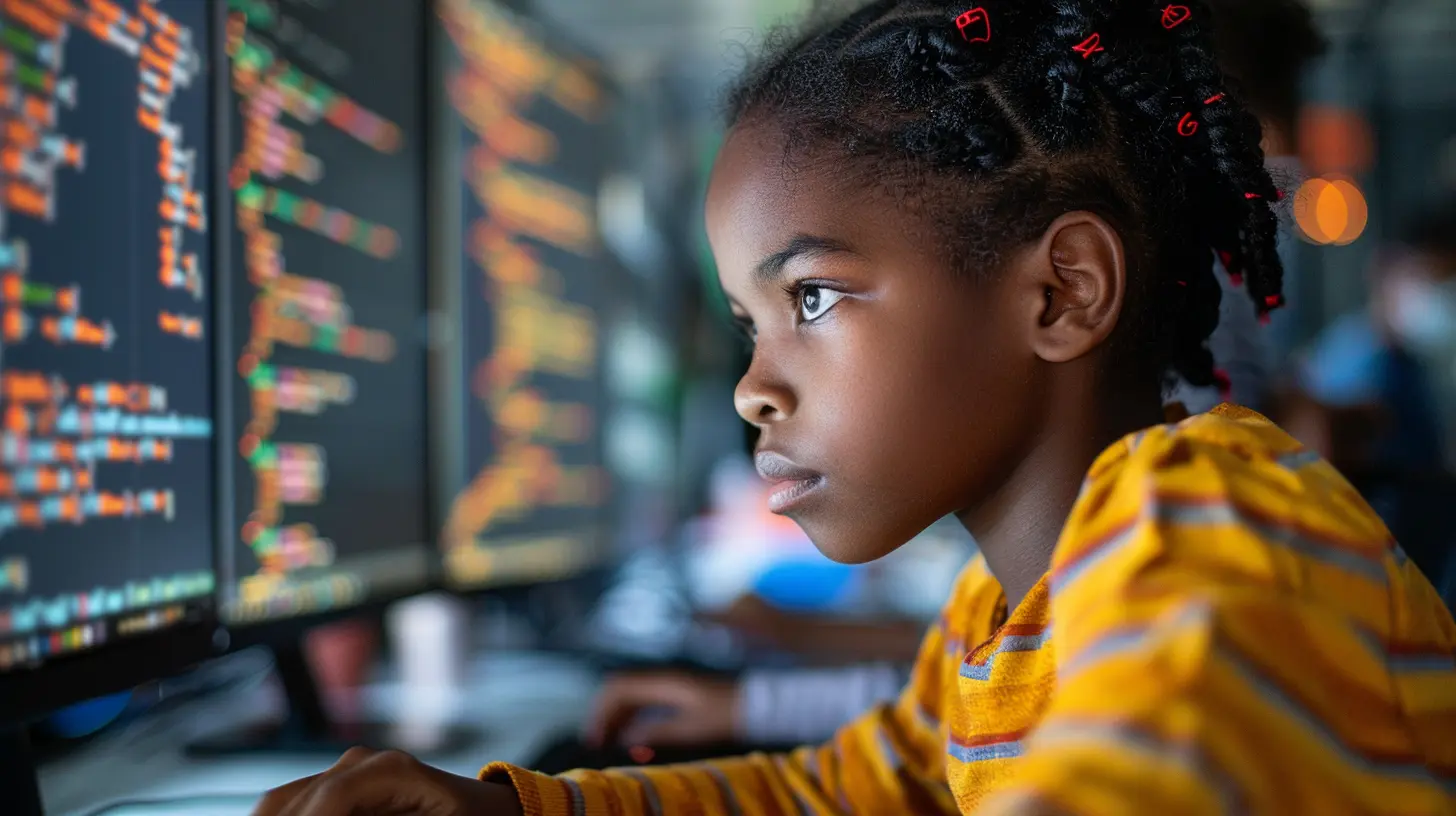
Why Open Source for Kids?
1. It’s Free and Accessible
Let’s face it—not everyone can afford expensive coding schools or paid programming software. Open-source platforms remove this financial barrier, making coding accessible to kids from all backgrounds. Whether a child is using a high-end laptop or an old desktop, chances are there's an open-source coding tool that will work for them.2. Encourages Hands-on Learning
Kids learn best when they can experiment and see immediate results. Open-source platforms provide interactive environments where children can build and tweak their projects in real time. They’re not just passively watching tutorials—they’re actively creating.3. Fosters a Community-Driven Learning Experience
With open-source platforms, learning doesn’t happen in isolation. Kids can collaborate with others, contribute to existing projects, or seek help from an online community. This makes programming feel more like a social experience rather than just another school subject.4. Teaches Problem-Solving and Creativity
Coding isn’t just about memorizing syntax; it’s about solving problems and thinking logically. Open-source platforms encourage kids to approach challenges creatively, testing different solutions to see what works.
Best Open Source Platforms for Teaching Kids to Code
Not all coding platforms are created equal, especially when it comes to teaching kids. Here are some of the best open-source options:1. Scratch
- Best For: Beginners (ages 8+)- Language Used: Block-based programming
- Why Kids Love It: Scratch turns coding into a game! Instead of typing lines of code, kids use colorful blocks to create animations, stories, and games. It’s like digital storytelling mixed with problem-solving.
2. Blockly
- Best For: Ages 6-12- Language Used: Block-based (but can transition to JavaScript)
- Why It Stands Out: Blockly is a stepping stone to real-world programming. It introduces kids to coding concepts without overwhelming them with complex syntax.
3. Python (Using Thonny or Mu)
- Best For: Ages 10+- Language Used: Python
- Why It’s Awesome: Python is one of the most beginner-friendly languages, and using open-source tools like Thonny or Mu makes it easier for kids to get started. They can build simple games, automate tasks, or even explore AI!
4. Raspberry Pi & Raspberry Pi OS
- Best For: Ages 10+- Why It’s Unique: Raspberry Pi isn’t just software—it’s a tiny computer! Kids can use it to code real-world projects like robots, weather stations, or even their own arcade games.
5. Sonic Pi
- Best For: Kids interested in music and coding- Language Used: Ruby-based scripting
- Why It’s Fun: Sonic Pi lets kids create music through code. It’s a fantastic way to combine creativity with programming.
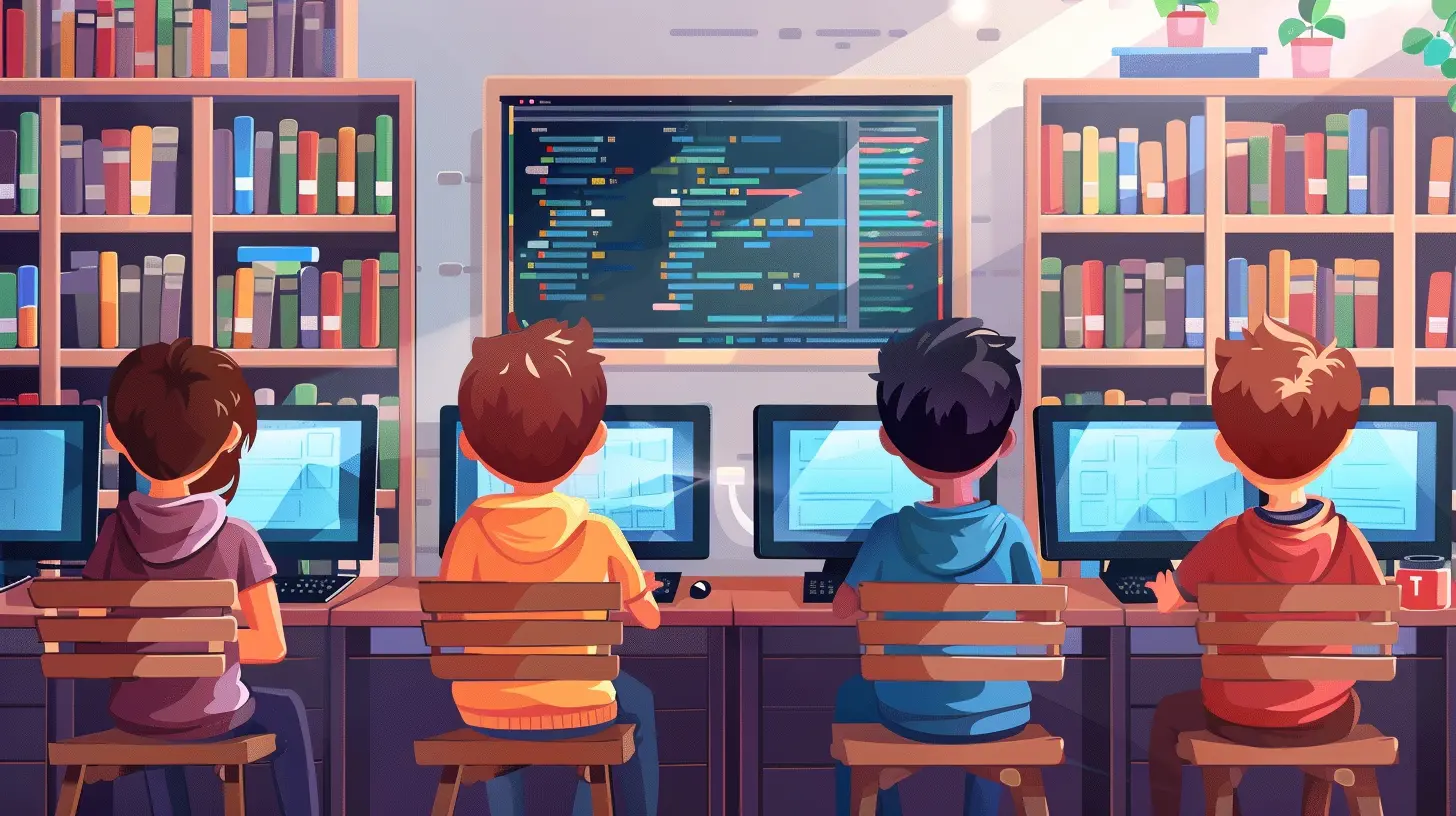
How Open Source Platforms Make Coding Fun for Kids
1. Gamification: Turning Learning into Play
Kids love games, and many open-source coding platforms integrate game-like elements to keep them engaged. Platforms like Scratch allow kids to build their own games, reinforcing coding concepts while keeping things fun.2. Storytelling Through Coding
Not every kid wants to build the next big app, but many love telling stories! Tools like Scratch and Twine let children use coding to bring their creative stories to life.3. Real-World Project Opportunities
Instead of just solving theoretical coding problems, kids can work on real-world projects. Whether it’s programming a simple robot with Raspberry Pi or creating an animated comic strip, open-source coding tools allow them to build meaningful projects.The Future of Open Source in Coding Education
The open-source movement is growing, and its impact on coding education is undeniable. Schools and educators around the world are turning to these platforms as flexible, cost-effective solutions for computer science education.With tech giants like Google, Microsoft, and Mozilla supporting open-source initiatives, it’s clear that the future of programming will be shaped by collaborative and community-driven learning. Kids who start with these tools today could become the open-source leaders of tomorrow!
Final Thoughts
Open-source platforms are revolutionizing how kids learn to code. They make programming fun, accessible, and interactive—no expensive courses or fancy equipment needed. Whether your child is just starting or already coding their own games, open-source tools provide an incredible way to foster creativity and problem-solving skills.So, if you want to introduce coding to your kids, why not start with an open-source platform? After all, the future belongs to those who can create it—one line of code at a time!
all images in this post were generated using AI tools
Category:
Coding In SchoolsAuthor:

Charlotte Rogers
Discussion
rate this article
4 comments
Blair Frank
Great insights! Open source platforms truly enhance learning and creativity in teaching coding to children.
March 20, 2026 at 4:19 AM
Charlotte Rogers
Thank you! I'm glad you found the insights valuable. Open source platforms indeed play a crucial role in fostering creativity and enhancing coding skills among children.
Wesley Murphy
Open source platforms empower young coders to collaborate, innovate, and learn from diverse communities, fostering not just technical skills but critical thinking and lifelong curiosity.
March 15, 2026 at 12:29 PM
Charlotte Rogers
Absolutely! Open source platforms truly create a vibrant learning environment, nurturing not only technical skills but also essential soft skills like critical thinking and curiosity in young coders.
Aubrey McElhinney
Unlocking creativity or coding chaos? Discover how open source platforms weave a complex tapestry in shaping young minds. What lies beneath?
March 15, 2026 at 4:57 AM
Charlotte Rogers
Thank you for your thought-provoking comment! Open source platforms indeed strike a balance between fostering creativity and navigating complexity, providing young learners with essential tools to innovate and problem-solve in coding.
Eloise Mendoza
This article highlights the importance of open source platforms in coding education. They provide accessible resources, foster collaboration, and empower kids with essential skills for the digital age. Great insights!
March 14, 2026 at 2:08 PM
Charlotte Rogers
Thank you for your thoughtful comment! I'm glad you found the insights on open source platforms valuable for coding education.