Montessori at Home: Encouraging Learning Beyond the Classroom
13 April 2025
As parents, we all want to give our kids the best possible start in life. But did you know that learning doesn’t just happen in the classroom? In fact, some of the most impactful education can take place right at home. Enter the Montessori method—a philosophy that emphasizes independence, curiosity, and hands-on learning. And guess what? You don’t need a fancy classroom or specialized equipment to apply Montessori principles at home. You can do it with everyday items and a lot of love.
In this article, we’ll dive into how you can implement Montessori at home, encouraging your child's learning beyond the classroom. This method not only helps kids develop critical thinking skills but also fosters a natural love for learning. Whether you’re homeschooling, supplementing your child’s education, or simply looking for fun ways to engage with your child, Montessori at home can be a game-changer.
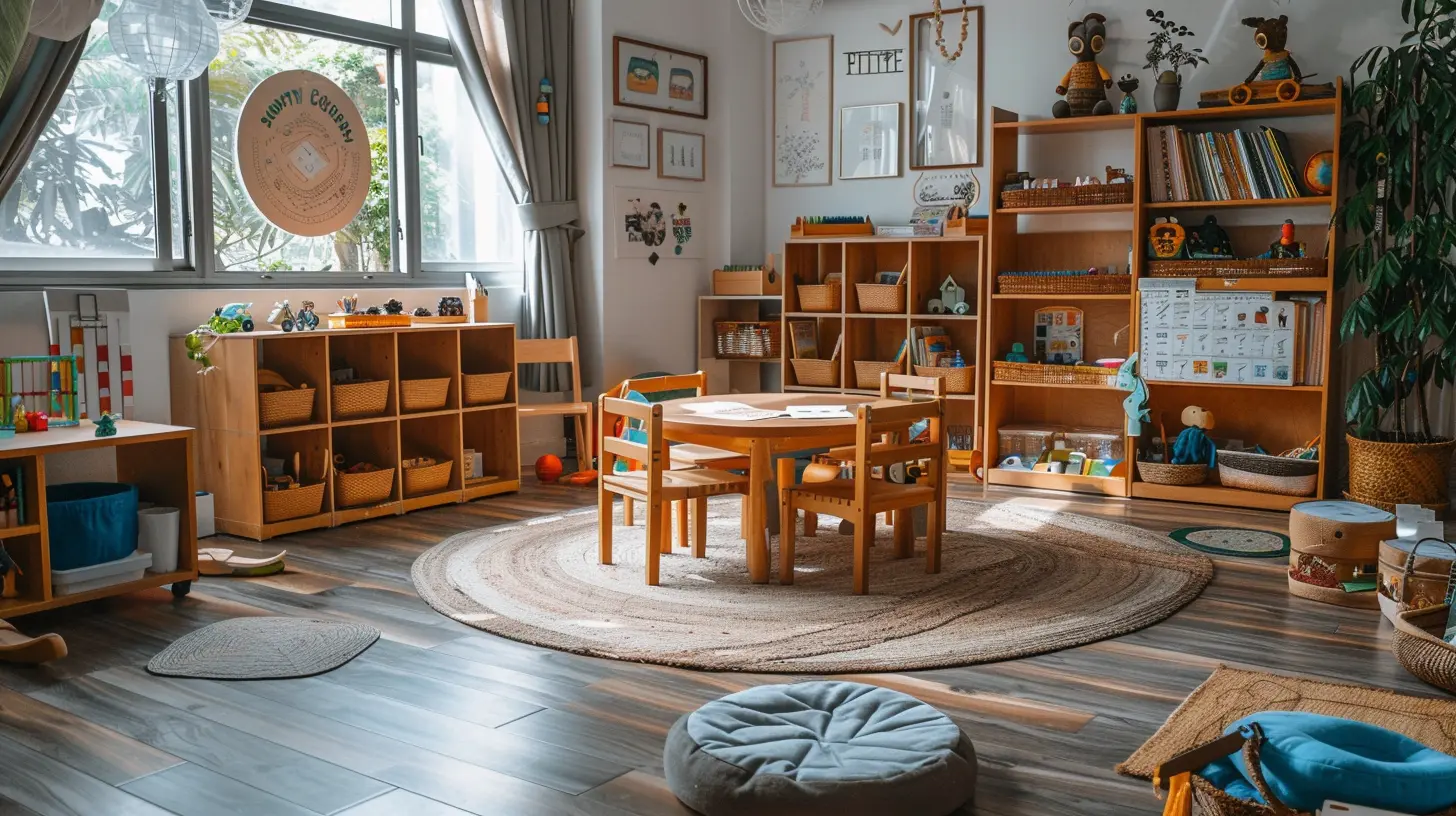
What is Montessori?
Before we jump into the "how," let’s take a step back and talk about the "what." Montessori is an educational philosophy developed by Dr. Maria Montessori in the early 1900s. It focuses on child-led learning, allowing kids to explore and discover at their own pace.Unlike traditional education methods where the teacher is the focal point, in Montessori, the child is the center of the learning experience. The teacher (or parent, in this case) acts as a guide, providing the tools and environment that encourage exploration and independence.
In short, Montessori is all about fostering a child’s natural curiosity and encouraging them to learn by doing.
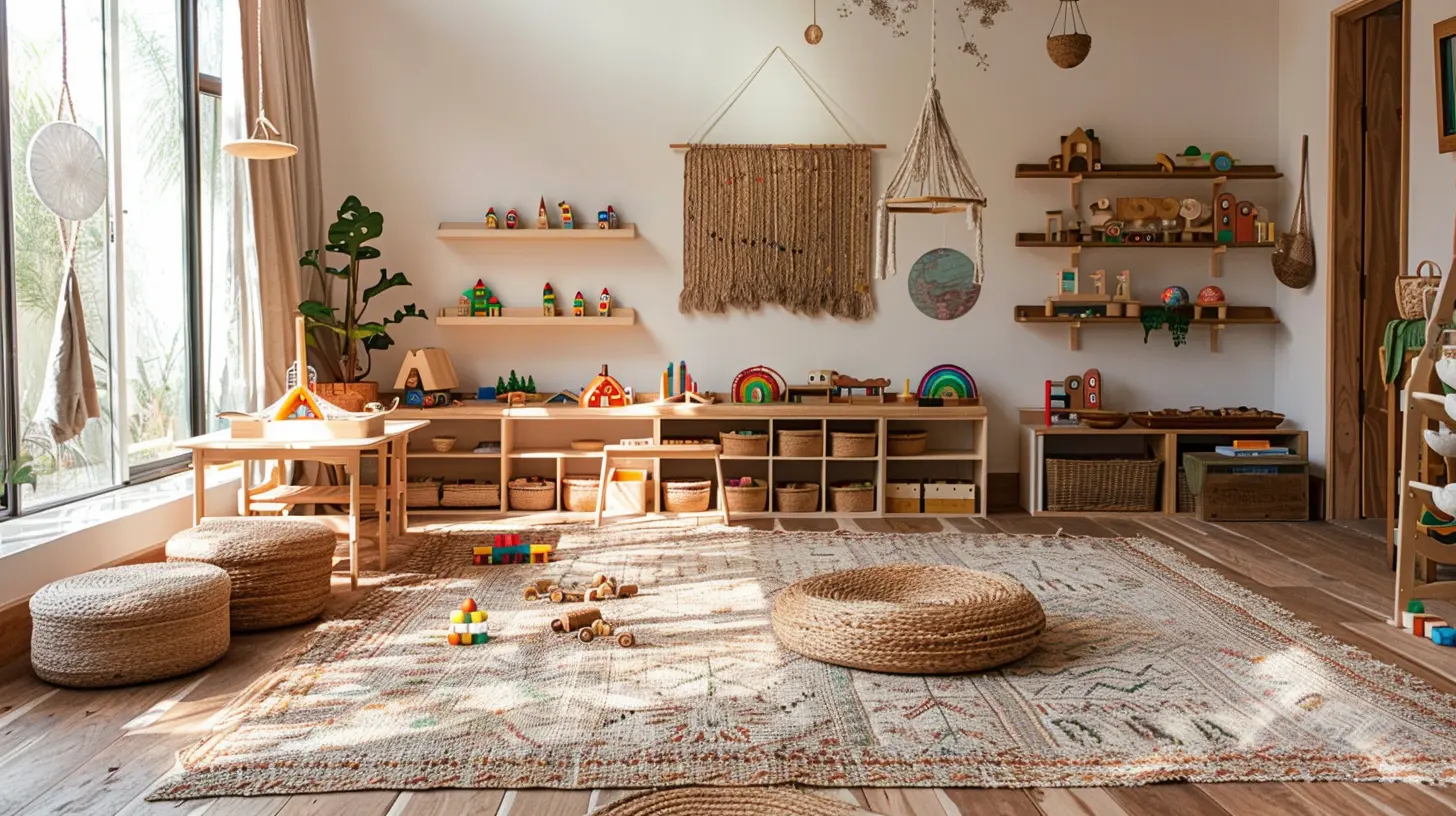
Why Should You Try Montessori at Home?
You might be wondering, "Why should I implement Montessori at home? Isn’t that what schools are for?" Great question! While schools play a crucial role in education, learning shouldn’t stop when the bell rings. By embracing Montessori principles in your home, you’re helping your child develop life skills that go beyond academics.Here are some key benefits of Montessori at home:
- Independence: Montessori encourages children to try things on their own, boosting confidence and self-reliance.
- Critical thinking: Hands-on learning fosters problem-solving skills.
- Creativity: With more freedom to explore, kids can tap into their creative potential.
- Responsibility: Children are encouraged to take on tasks, like cleaning up or setting the table, which teaches them responsibility.
- Life-long love for learning: Montessori nurtures a natural curiosity, making learning enjoyable rather than a chore.
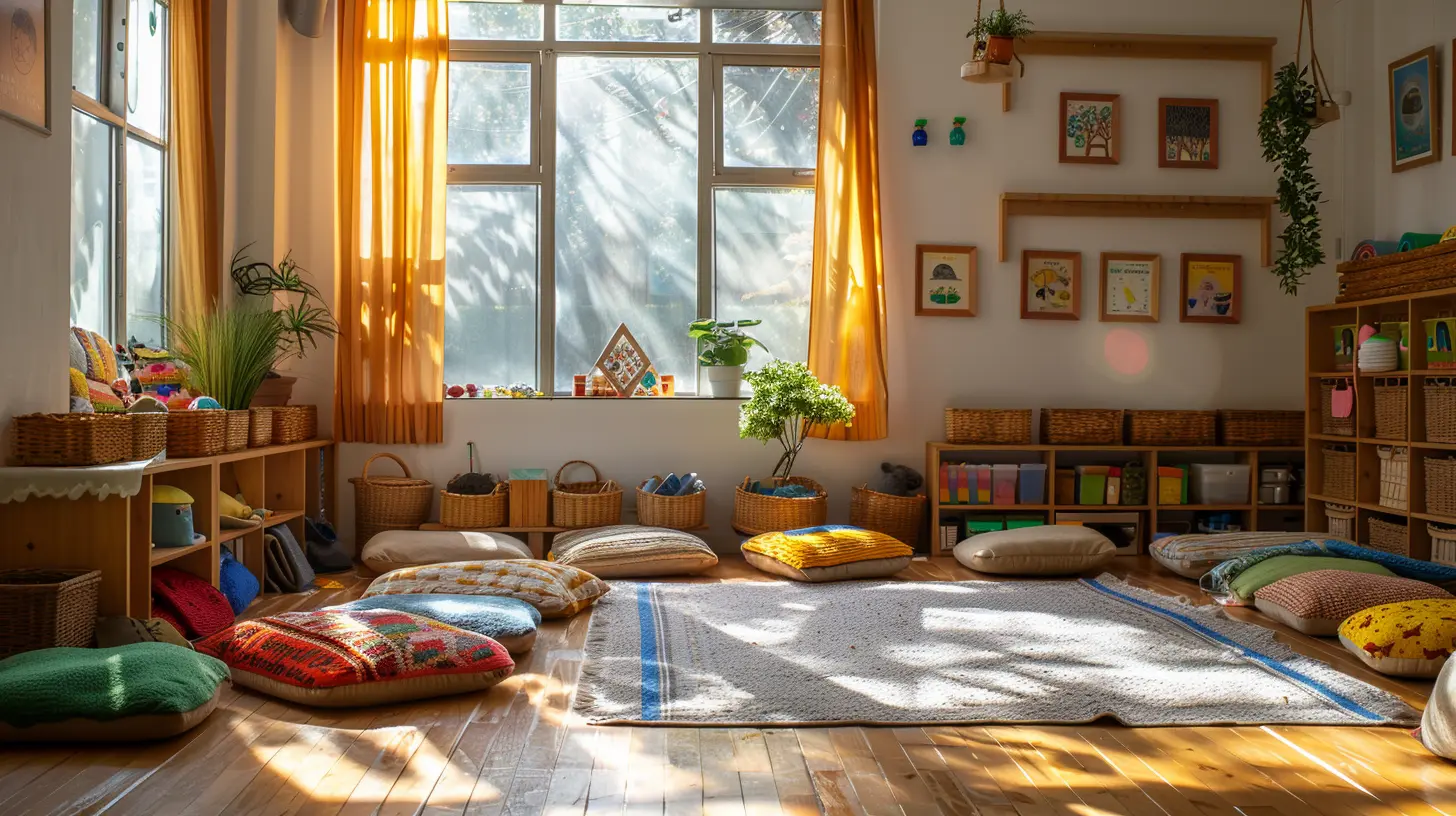
How to Create a Montessori-Friendly Environment at Home
The beauty of Montessori is that you don’t need a lot of bells and whistles to create a learning-rich environment. It’s about simplicity, order, and providing the right materials for your child to explore.1. Declutter and Organize
Ever notice how kids get overwhelmed by too many toys or too much stuff? A cluttered environment can lead to a cluttered mind. In Montessori, less is more. Create a space where toys, books, and materials are easily accessible, but not overwhelming.Use low shelves so your child can reach everything on their own. Organize toys and activities into baskets or trays rather than dumping them into a toy box. This encourages your child to take out one activity at a time and put it away when they’re done.
2. Incorporate Nature
Montessori places a strong emphasis on nature and the natural world. Incorporate plants, wooden toys, and natural materials like stones, shells, or leaves into your child’s learning space. You can even create a small nature table where your child can display their outdoor treasures.Encourage outdoor play as much as possible. Nature is a classroom in itself. Whether it’s exploring the backyard, planting a garden, or going on a nature walk, the outdoors offer endless opportunities for learning.
3. Provide Child-Sized Tools
One key aspect of Montessori is having tools and materials that are appropriately sized for your child. This makes it easier for them to be independent and accomplish tasks on their own. Invest in child-sized utensils, cleaning tools (like a small broom), and even furniture.This doesn’t mean you have to buy everything new—just be mindful of things like how high your child’s chair is, whether they can easily open drawers or cabinets, and if they can comfortably use the tools you provide.
4. Create Learning Stations
Instead of having a traditional playroom, create different learning stations or areas around your home. These could include:- Practical Life Area: Set up a space where your child can practice everyday tasks like pouring water, washing dishes, or folding laundry.
- Sensorial Area: Focus on activities that stimulate the senses—think sorting colored objects, playing with textures, or exploring scented materials.
- Art Station: Keep art supplies like crayons, paper, and stickers within easy reach so your child can create whenever inspiration strikes.
- Reading Nook: Designate a cozy spot with a few carefully selected books that your child can easily grab and read on their own.
Each station should be simple and inviting, allowing your child to engage with different types of learning.

Montessori Activities You Can Do at Home
Now that we’ve covered the environment, let’s talk about some specific activities you can do with your child at home. Remember, these activities should be hands-on and give your child the chance to explore independently.1. Practical Life Skills
Teaching practical life skills is a cornerstone of the Montessori method. These activities help children learn coordination, concentration, and independence. Here are a few ideas:- Pouring water: Give your child a small pitcher and a glass, and let them practice pouring water. It’s a simple activity, but it teaches control and focus.
- Washing vegetables: Let your child help in the kitchen by washing fruits and vegetables. They’ll love the responsibility, and it’s a great way to introduce healthy foods.
- Buttoning shirts: Provide a few shirts with buttons and encourage your child to practice buttoning and unbuttoning.
2. Sorting and Categorizing
Sorting activities help children develop their cognitive and fine motor skills. You can use almost anything for this—buttons, beads, or even socks!- Color sorting: Give your child a set of colored objects and have them sort them into groups by color.
- Shape sorting: Use shape-cutters or blocks and encourage your child to sort by shape.
- Nature sorting: Gather leaves, rocks, and sticks from outside and let your child sort them by type or size.
3. Learning Through Play
Montessori emphasizes learning through play. But this doesn’t mean loud, chaotic play. Montessori play is often quiet, focused, and purposeful. Here are a few ideas:- Puzzles: Choose puzzles with large, easy-to-handle pieces for younger children. As they grow, you can introduce more complex puzzles.
- Building blocks: Let your child explore balance and structure by building with blocks.
- Cooking: Involve your child in simple cooking tasks, like stirring, spreading, or peeling. Not only is it fun, but it also teaches practical life skills.
4. Language and Literacy
Language development is a key part of Montessori education. Here’s how you can support it at home:- Label your home: Place simple labels on objects in your home (e.g., “chair,” “table,” “door”). This helps your child connect words with objects.
- Storytelling: Encourage your child to tell their own stories. You can use a series of pictures or toys to spark their imagination.
- Letter recognition: Use sandpaper letters or magnetic letters to introduce your child to the alphabet. Let them trace the letters with their fingers to build muscle memory.
5. Math and Numbers
Math is everywhere in the world around us, and Montessori math activities make it tangible and hands-on. Here are a few activities you can try:- Counting objects: Use everyday objects like buttons or pebbles to practice counting.
- Number cards: Create simple number cards with dots or stickers and have your child match the amount with the numeral.
- Measuring: Let your child help in the kitchen by measuring ingredients. This introduces them to concepts like volume and quantity.
Encouraging Independence and Responsibility
One of the greatest gifts you can give your child through the Montessori method is the gift of independence. Even toddlers are capable of doing more than we often give them credit for. Here are some tips for fostering independence and responsibility at home:- Chores: Give your child age-appropriate chores, such as setting the table, feeding the pet, or watering plants. These small tasks build confidence and a sense of responsibility.
- Decision-making: Allow your child to make simple choices, like picking out their clothes or deciding which activity to do next. This fosters decision-making skills and independence.
- Self-care: Encourage your child to dress themselves, brush their teeth, and wash their hands. It may take longer, but the payoff in self-reliance is worth it!
Final Thoughts: Montessori is About the Journey, Not the Destination
At the end of the day, Montessori is about trusting your child’s natural curiosity and supporting them on their unique learning journey. It’s not about perfection or rigid rules. It’s about creating an environment where your child feels empowered to explore, learn, and grow at their own pace.By incorporating Montessori principles at home, you’re not just supplementing your child’s education—you’re fostering a life-long love for learning. And that’s something no classroom can teach.
all images in this post were generated using AI tools
Category:
Montessori EducationAuthor:

Charlotte Rogers
Discussion
rate this article
12 comments
Tank Johnson
Integrating Montessori principles at home fosters independence and curiosity in children. Simple activities, such as practical life skills and open-ended play, can significantly enhance their learning experiences beyond the classroom.
January 30, 2026 at 7:23 PM
Charlotte Rogers
Thank you for your insightful comment! Integrating Montessori principles at home truly empowers children to explore and learn independently, enriching their education in meaningful ways.
Diana McGill
This article beautifully illustrates how Montessori principles can transform home learning. Embracing curiosity and independence in everyday activities fosters a love for discovery. Remember, each small step at home enriches your child's educational journey. Keep inspiring their growth!
December 17, 2025 at 11:51 AM
Charlotte Rogers
Thank you for your thoughtful comment! I'm glad you found the article inspiring. Embracing Montessori principles at home truly nurtures our children's love for learning.
Evren McPhail
Embracing Montessori at home cultivates independence and curiosity in children. By creating a prepared environment, we empower them to explore, learn, and grow at their own pace, fostering lifelong love for learning.
November 8, 2025 at 9:49 PM
Charlotte Rogers
Thank you for your insightful comment! I completely agree—creating a prepared environment at home truly enhances children's independence and curiosity, making learning a joyful and lifelong journey.
Ulrich West
What a delightful read! Embracing Montessori principles at home opens up a world of joyful learning for children. It's wonderful to see how creativity and independence can thrive in our everyday environments. Happy learning!
October 13, 2025 at 9:00 PM
Charlotte Rogers
Thank you for your kind words! I'm glad you found the article inspiring. Embracing Montessori at home truly enriches children's learning experiences. Happy exploring!
Valeria McGrady
This article effectively highlights the importance of extending Montessori principles into home environments, fostering independence and curiosity in children. By integrating hands-on activities and real-world experiences, parents can create rich learning opportunities that complement classroom education, ultimately enhancing a child's overall development and love for learning.
September 5, 2025 at 3:27 AM
Charlotte Rogers
Thank you for your insightful comment! I'm glad you found the article emphasizes the key role of Montessori principles in home learning. Fostering independence and curiosity is indeed vital for a child's development.
Sarah Kirk
Creating a Montessori-inspired environment at home fosters independence and curiosity in children's learning journeys.
August 3, 2025 at 9:06 PM
Charlotte Rogers
Absolutely! A Montessori-inspired home fosters both independence and curiosity, essential for enriching children's learning experiences beyond the classroom.
Zephyrae McEvoy
This article effectively highlights the Montessori method's adaptability for home environments, emphasizing the importance of hands-on, self-directed learning. By integrating everyday activities and fostering independence, parents can create enriching experiences that mirror classroom principles. Such an approach not only enhances cognitive development but also fortifies the parent-child bond through collaborative exploration.
June 28, 2025 at 1:04 PM
Charlotte Rogers
Thank you for your insightful comment! I'm glad you found the article highlights the adaptability of the Montessori method for home learning and its positive impact on both development and family connections.
Elara Heath
This article effectively highlights the importance of Montessori principles in home environments, emphasizing child-led exploration and hands-on learning. Integrating these methods fosters independence and nurtures a lifelong love for learning.
June 11, 2025 at 3:37 AM
Charlotte Rogers
Thank you for your thoughtful comment! I’m glad you found the article insightful in showcasing how Montessori principles can enhance learning at home.
Raine Schultz
This article effectively highlights the importance of integrating Montessori principles at home, fostering independence and curiosity in children. Practical suggestions empower parents to create enriching environments that support lifelong learning outside traditional classroom settings.
May 5, 2025 at 8:33 PM
Charlotte Rogers
Thank you for your insightful comment! I'm glad you found the article helpful in promoting Montessori principles at home.
Zevros Franco
Transform your home into a learning playground—Montessori principles spark curiosity and independent exploration!
April 24, 2025 at 8:04 PM
Charlotte Rogers
Thank you! Embracing Montessori principles at home truly fosters curiosity and promotes independent learning in a fun, engaging way.
Hayden McDonald
What intriguing ideas! How can we effectively blend Montessori principles into our home routines? I'm curious about practical tips for fostering independence and exploration in everyday activities—any suggestions?
April 13, 2025 at 7:33 PM
Charlotte Rogers
To blend Montessori principles at home, create a child-friendly environment that promotes independence. Set up accessible learning areas with open-ended materials, encourage self-directed activities, and involve your child in daily tasks like cooking or cleaning. Foster exploration by allowing them to choose their activities and providing time for hands-on learning.
Sabina Hardy
This article beautifully highlights the importance of extending Montessori principles into the home environment. It serves as a reminder that learning doesn’t stop at school. Embracing these methods can foster independence and curiosity, transforming everyday moments into valuable learning experiences for children. A must-read for parents!
April 13, 2025 at 4:52 AM
Charlotte Rogers
Thank you for your kind words! I'm glad you found the article helpful in promoting Montessori principles at home. Encouraging learning beyond the classroom is so important!
MORE POSTS

Interactive Read-Alouds and Related Activities to Deepen Comprehension

The Connection Between Critical Thinking and Lifelong Learning

Fostering Critical Thinking in Project-Based Learning

Montessori and the Development of Concentration in Children

How to Create Flexible Lesson Plans for Hybrid and Remote Learning

How to Prioritize Study Tasks for Maximum Efficiency

The Power of Choice: How Montessori Encourages Decision-Making Skills

Emotional Resilience in Little Learners: Teaching Coping Skills