Transforming Discipline Through Mindfulness
20 July 2026
When you hear the word "discipline," what comes to mind? For many of us, it paints a picture of strict rules, punishments, or rigid schedules. Often, discipline is associated with control and compliance, especially in traditional educational settings. But what if we could flip the script? What if discipline wasn’t about control but about awareness? Enter: mindfulness.
Mindfulness isn’t just a trendy buzzword thrown around in meditation circles; it’s an approach that can completely transform how we think about discipline. And not just in personal life, but in classrooms, workplaces, and even parenting. In this article, we’re going to explore how mindfulness, when woven into the concept of discipline, can create a more compassionate, productive, and balanced approach to life.

What Is Mindfulness?
Before we dive into the transformative effects of mindfulness on discipline, let’s break down what mindfulness actually means. At its core, mindfulness is the practice of staying present and fully engaging with the current moment. It’s about being aware of your thoughts, feelings, and surroundings without judgment.Think of mindfulness as a mental workout. Just like we exercise our bodies to stay physically fit, mindfulness helps us fine-tune our mental and emotional states. When practiced regularly, it can lead to better emotional regulation, improved focus, and healthier decision-making.
Mindfulness in Education
Mindfulness has been gaining traction in schools and educational systems worldwide. It’s been integrated into curricula to help students increase focus, manage anxiety, and build emotional resilience. But the benefits don’t stop there. In fact, mindfulness can completely reshape how both students and teachers approach discipline.Rather than relying on punitive measures or enforcing strict rules, educators who practice mindfulness are teaching students how to be self-aware, accountable, and reflective.

Why Traditional Discipline Often Falls Short
Traditional discipline often puts the focus on external consequences—think detention, suspensions, or grounding. But here’s the thing: these methods usually address the symptoms of an issue rather than the root cause. A student who is acting out isn’t just doing it for fun. There’s usually an underlying problem, whether it’s emotional distress, boredom, or lack of engagement.When we focus solely on punishment, we miss an opportunity to connect with the individual on a deeper level. More importantly, we fail to equip them with the tools they need to self-regulate in the future. This is where mindfulness steps in as a game-changer.
The Downside of Reactive Discipline
Reactive discipline tends to focus on the "after"—after someone has disrupted the class, after someone has broken a rule, after someone has made a mistake. It’s a backward-looking approach, focused on what went wrong rather than how we can prevent it from happening again.This often leads to a cycle of repeated misbehavior, frustration, and escalating punishments. It can create adversarial relationships between students and teachers, children and parents, or even employees and managers. Plus, it seldom fosters personal growth or accountability in the long term.

How Mindfulness Transforms Discipline
Let’s face it—discipline isn’t inherently a bad thing. In fact, discipline is necessary for growth, learning, and success. But how we approach discipline makes all the difference. Mindfulness shifts the focus away from punishment and toward self-awareness, compassion, and intentional action.1. Self-Regulation Over Control
One of the biggest benefits of mindfulness is that it emphasizes self-regulation rather than external control. When individuals are mindful, they’re more in tune with their thoughts, emotions, and reactions. This makes it easier for them to pause, reflect, and choose their actions consciously.For example, a student who feels anger bubbling up might be able to recognize it before it leads to an outburst. Instead of being told what to do after the fact, mindfulness teaches them how to manage their emotions in real time. Over time, this creates a sense of personal responsibility and autonomy—skills that are invaluable in both personal and professional life.
2. Compassionate Accountability
In a mindful approach to discipline, accountability is key—but it’s rooted in compassion, not punishment. Let’s say a student makes a mistake or breaks a rule. Instead of focusing solely on what they did wrong, a mindful approach would encourage them to reflect on why they made that choice and how they can make a different one next time.This doesn’t mean there are no consequences. However, the consequences are framed in a way that encourages learning and growth rather than shame or guilt. It’s about understanding the impact of one’s actions and taking responsibility in a way that fosters personal development.
3. Proactive Rather Than Reactive
Mindfulness is inherently proactive. By encouraging individuals to stay present and aware, it can help prevent problems before they escalate. If a classroom or workplace is practicing mindfulness regularly, it creates an environment where people are more likely to communicate openly, manage stress effectively, and treat each other with respect.When you’re mindful, you’re less likely to act on impulse or let emotions take control. Imagine how much smoother things could run if everyone—students, teachers, parents, employees—had the tools to handle stress and conflict mindfully. It’s a proactive approach that reduces the need for reactive discipline in the first place.
4. Focus on Growth, Not Perfection
Traditional discipline often carries an implicit message: "You messed up, and now you need to pay for it." But mindfulness shifts the focus to growth. Mistakes are no longer seen as failures but as opportunities to learn. In a mindful environment, the goal isn’t perfection but progress.Instead of dwelling on what went wrong, a mindful discipline approach asks, “What can we learn from this, and how can we move forward?” It’s an empowering way to approach challenges, fostering resilience and a growth mindset.
5. Mindfulness as a Daily Practice
Mindfulness isn’t something you can inject into a situation after it’s gone awry. It works best when it’s a regular, ongoing practice. In schools or workplaces that embrace mindfulness, it’s often built into the daily routine—whether through meditation sessions, mindful breathing exercises, or reflective journaling.By making mindfulness a habit, individuals are better equipped to handle stress, navigate challenges, and make thoughtful decisions. Over time, this consistent practice leads to a cultural shift where discipline is more about self-awareness and growth than punishment.
Real-Life Examples of Mindfulness in Discipline
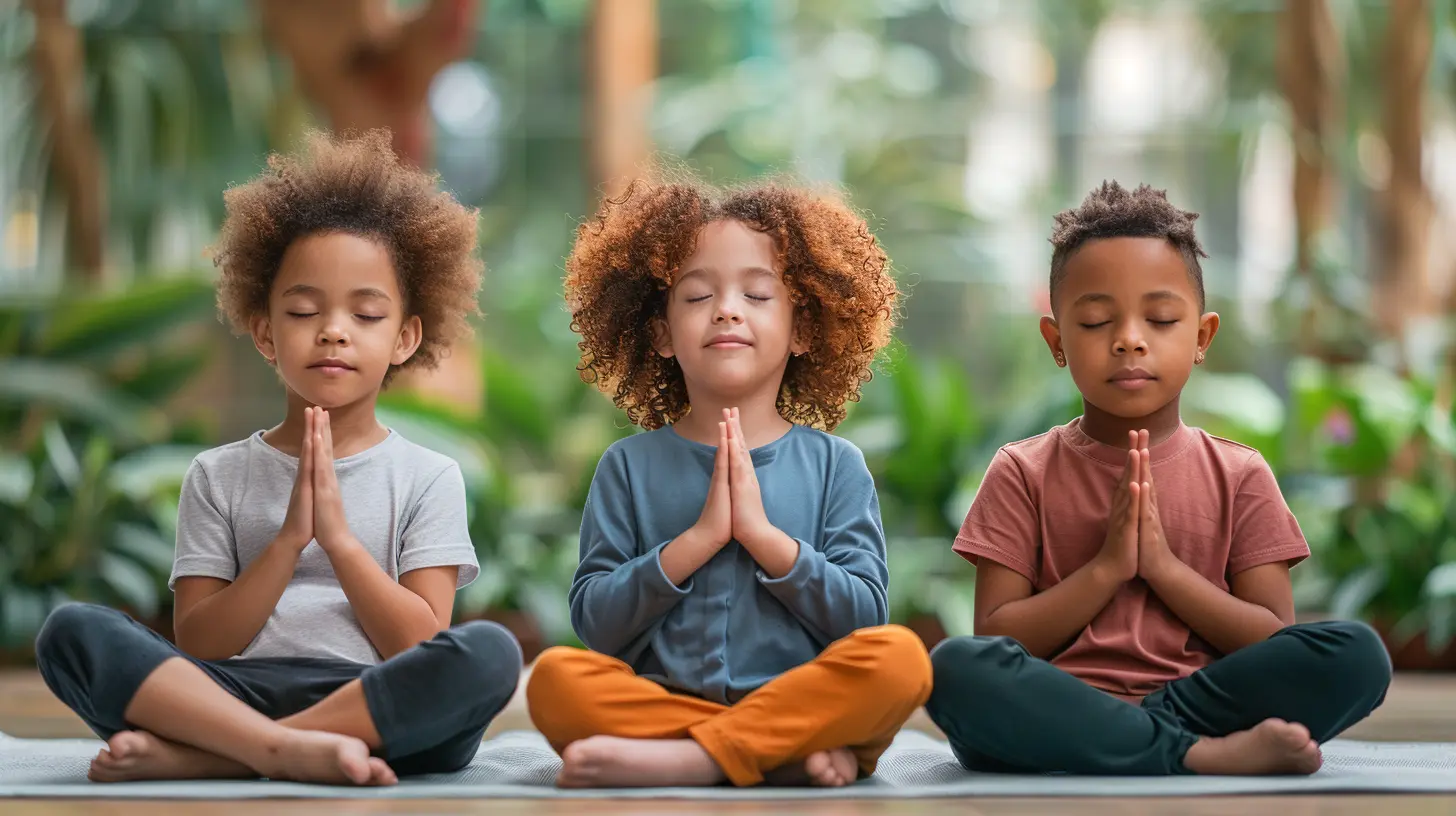
This all sounds great in theory, but what does it actually look like in practice? Let’s take a look at some real-life examples where mindfulness has transformed discipline:In Schools
In many schools, mindfulness programs have been implemented to help students manage their emotions and behavior. For instance, some classrooms start the day with guided meditation or breathing exercises. Teachers report that students are more focused, less anxious, and better able to handle conflict.In some cases, schools have replaced detention with mindfulness sessions. Instead of sitting in silence as a punishment, students are encouraged to reflect on their behavior, practice mindfulness, and learn strategies for managing their emotions in the future.
In Parenting
Mindful parenting is becoming increasingly popular as an alternative to traditional disciplinary tactics like time-outs or grounding. Parents who practice mindfulness are more likely to approach their children’s misbehavior with curiosity and compassion rather than anger or frustration. They model mindful behavior, teaching their children how to pause, reflect, and respond to situations thoughtfully.In the Workplace
Mindfulness in the workplace often takes the form of stress management programs, workshops, or regular meditation sessions. In companies that embrace mindfulness, employees report lower levels of burnout, improved emotional intelligence, and better interpersonal relationships. Managers who practice mindfulness are more likely to lead with empathy, creating a more supportive and productive work environment.How to Get Started with Mindfulness-Based Discipline
Interested in incorporating mindfulness into your approach to discipline? Here are some simple steps to get started:1. Practice Mindfulness Yourself
Before you can guide others in mindfulness, it’s important to cultivate your own practice. Start small—just a few minutes a day of mindful breathing or meditation can make a big difference. The more consistent you are, the easier it will be to remain present and calm in challenging situations.2. Use Reflective Questions
When addressing misbehavior or challenges, use reflective questions that encourage self-awareness. Instead of asking, “Why did you do that?” try asking, “What were you feeling when this happened?” or “What can we do differently next time?”3. Create a Mindful Environment
Whether in a classroom, home, or workplace, creating an environment that encourages mindfulness can help set the tone for more thoughtful behavior. Consider setting aside time for mindfulness exercises, creating a calm and clutter-free space, or encouraging open dialogue and reflection.
Conclusion: The Future of Discipline is Mindful
We’re at a turning point in how we approach discipline. The old methods of control and punishment are giving way to a more compassionate, self-aware model rooted in mindfulness. By transforming discipline through mindfulness, we’re empowering individuals to take responsibility for their actions, regulate their emotions, and grow from their mistakes.This shift doesn’t just benefit individuals—it creates healthier, more supportive communities where people are encouraged to learn and grow together. So whether you’re a teacher, parent, or manager, consider how mindfulness can transform your approach to discipline. You’ll be surprised at the positive ripple effect it can have.
all images in this post were generated using AI tools
Category:
Mindfulness In EducationAuthor:

Charlotte Rogers