Why Coding Should Be a Core Subject in Every School Curriculum
30 May 2026
Technology is advancing at lightning speed, and the way we educate our children needs to keep up. Coding is no longer just for computer geeks or Silicon Valley entrepreneurs—it’s a fundamental skill that should be taught to every student, just like math and science.
But why is coding so important? And why should it be a core subject in every school curriculum? Let’s dive in and explore why programming is a game-changer for students and their future! 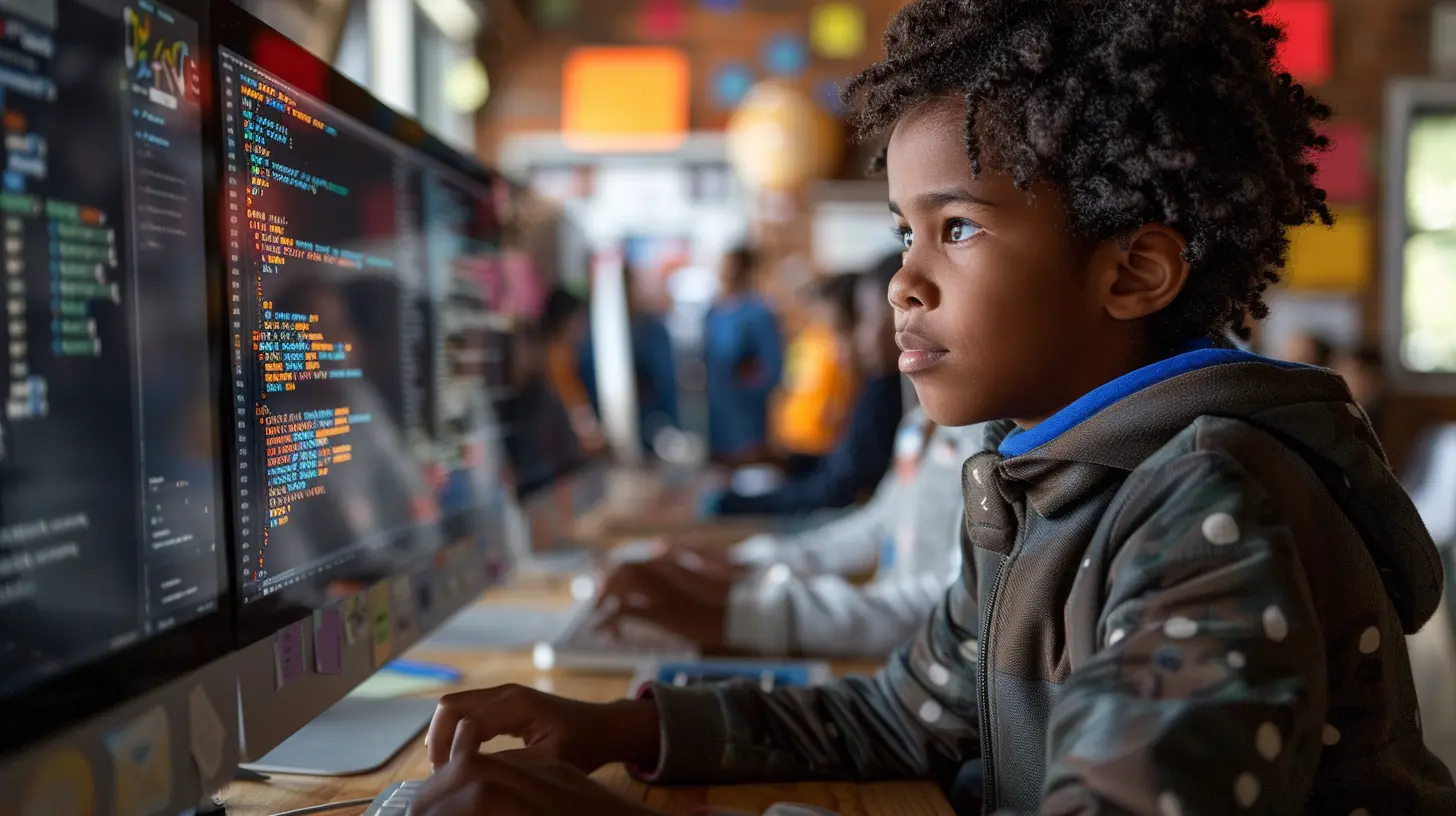
The Digital World Is Our New Reality
Think about it—technology is everywhere. From smartphones and social media to self-driving cars and artificial intelligence, coding runs the world. Without it, we wouldn’t have apps, websites, or even basic software.If schools aim to prepare students for the real world, then coding must be part of the curriculum. It’s not just about learning how to program but understanding how the digital world works. Kids who can code are not just consumers of technology—they become creators and innovators. 
Coding Boosts Problem-Solving Skills
Let’s face it—life is full of challenges, and problem-solving is a skill every student needs. Coding teaches kids how to break down complex problems into smaller, manageable steps, just like solving a puzzle.When students write code, they learn to think logically, troubleshoot errors, and develop solutions. This logical thinking extends beyond the computer screen and helps them tackle real-life problems with confidence.
Imagine your child struggling with a math problem. With coding experience, they’re more likely to approach it with patience and a structured mindset rather than feeling overwhelmed. That’s a game-changer! 
Enhances Creativity and Innovation
Think coding is all about typing complicated lines of text? Think again! Coding is a creative process that encourages innovation.Students get to build their own apps, design games, and even create animations. It’s like giving them a virtual canvas where the only limitation is their imagination. When kids see their creative ideas come to life through code, it fuels their passion and confidence to explore new possibilities.
Plus, creativity isn’t just for artists—it's essential in science, engineering, business, and beyond. Coding nurtures a mindset that embraces experimentation, which is a crucial trait in any field. 
Prepares Students for Future Careers
Let’s talk about job opportunities. The demand for tech skills is skyrocketing, and coding is at the heart of it all.According to reports, careers in software development, cybersecurity, artificial intelligence, and data science are among the fastest-growing. Even if a student doesn’t plan to become a programmer, coding knowledge gives them a competitive edge in many professions, from medicine to finance and even law.
Think about it—wouldn’t you want your child to graduate with a skill set that makes them highly employable? Schools should equip students with skills that will help them thrive in the future job market, and coding is undeniably one of them.
Improves Math and Logical Thinking
Math can be a tough subject for many students, but coding makes it more engaging and practical.Learning to code strengthens mathematical concepts like algebra, logic, and reasoning. When kids see how math applies to real-world technology—like gaming algorithms or financial apps—it makes learning more exciting.
It’s like a secret weapon for making math less intimidating and more interactive. Instead of just solving equations on paper, students get to use math in a hands-on way, which leads to better understanding and retention.
Encourages Perseverance and Resilience
Here’s the thing—coding isn’t always easy. Debugging errors and fixing code can be frustrating. But you know what? That’s a good thing.Coding teaches kids that failure isn’t the end; it’s just part of the process. They learn to embrace mistakes, analyze what went wrong, and keep trying until they succeed. This builds resilience, patience, and a growth mindset—qualities that are essential for success in any field.
In a world where instant gratification is the norm, coding teaches kids the value of persistence and hard work. And that’s an invaluable life lesson.
Improves Communication and Collaboration
If you think coding is a solo activity, think again. In reality, the best coding projects are built by teams.When students work on coding assignments, they often collaborate, share ideas, and learn how to explain their thought processes. This strengthens their communication skills, which are crucial in any profession.
Even in industries outside of tech, being able to discuss ideas clearly, work in teams, and solve problems collaboratively is a huge advantage. Coding naturally cultivates these skills in a fun and engaging way.
Makes Learning More Fun and Interactive
Traditional education methods can sometimes feel boring or outdated, but coding introduces an element of fun, curiosity, and interaction.Many coding platforms like Scratch, Python, and Roblox allow students to turn their lessons into interactive projects or video games. Learning becomes exciting because students see immediate results from their work.
Wouldn’t it be amazing if lessons felt like a game rather than a chore? By integrating coding into the curriculum, schools can make learning more dynamic and enjoyable.
Bridges the Digital Divide
Unfortunately, not all students have equal access to technology and the skills that come with it. Making coding a core subject ensures that every child, regardless of their background, has the opportunity to learn this essential skill.By teaching coding in schools, we create a more level playing field, allowing students from all walks of life to thrive in the digital age. It’s about giving every child a fair shot at success.
Coding Is the Language of the Future
Think of coding as a new language—one that allows students to communicate with computers. Just like learning French or Spanish can open doors to new cultures, understanding code opens doors to endless opportunities.The earlier students start learning, the better equipped they will be to adapt to a world that revolves around technology. Schools should treat coding just like reading and writing because, in the digital age, it's just as important.
Final Thoughts
The world is changing fast, and schools need to evolve with it. Coding isn’t just a technical skill—it’s a foundational tool that enhances problem-solving, creativity, career readiness, and critical thinking. It prepares students for the future, no matter what career path they choose.So, should coding be a core subject in every school curriculum? Absolutely! It’s time to embrace the future and equip the next generation with the skills they truly need. Let’s make coding as natural as learning ABCs and 123s—because, in the modern world, it’s just as essential.
all images in this post were generated using AI tools
Category:
Coding In SchoolsAuthor:

Charlotte Rogers
Discussion
rate this article
3 comments
Corinne Wyatt
Great perspective! Coding skills are essential for future success.
June 12, 2026 at 11:16 AM
Charlotte Rogers
Thank you! I completely agree—coding equips students with critical problem-solving skills and opens up numerous career opportunities.
Beth Wilkins
Empower future innovators—make coding essential for all students today!
June 2, 2026 at 12:08 PM
Seraphis Cruz
Teaching coding fosters problem-solving skills and creativity, preparing students for an increasingly digital future.
June 1, 2026 at 4:19 AM
Charlotte Rogers
Absolutely! Coding not only enhances problem-solving and creativity but also equips students with essential skills for navigating the digital landscape of tomorrow.