Benefits of Mindfulness for Early Childhood Education
15 June 2026
Early childhood is a crucial time for mental, emotional, and social development. Young children absorb everything around them like little sponges, and what they learn during these formative years can shape their future. One practice that has been gaining attention in education is mindfulness—a simple yet powerful way to help children manage emotions, improve focus, and build self-awareness.
But what exactly is mindfulness, and how does it benefit early childhood education? Let’s dive in.
What Is Mindfulness?
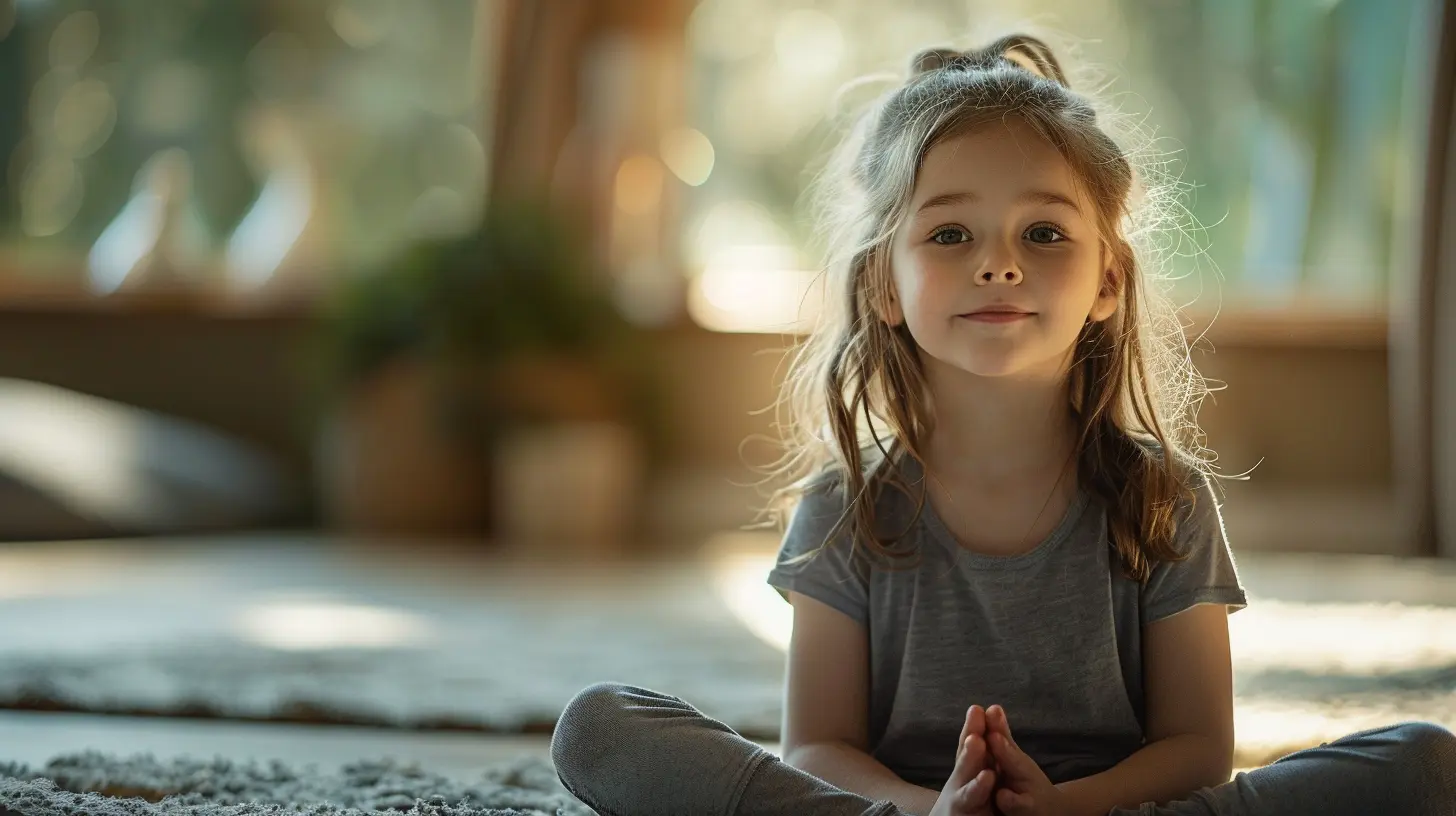
Mindfulness is the practice of being present in the moment, fully aware of thoughts, feelings, and surroundings without judgment. It’s about slowing down, paying attention, and appreciating what’s happening right now.For young children, mindfulness can be as simple as paying attention to their breathing, feeling the texture of a toy, or listening intently to a teacher’s voice. These small yet meaningful activities help them develop skills that will support them throughout their lives.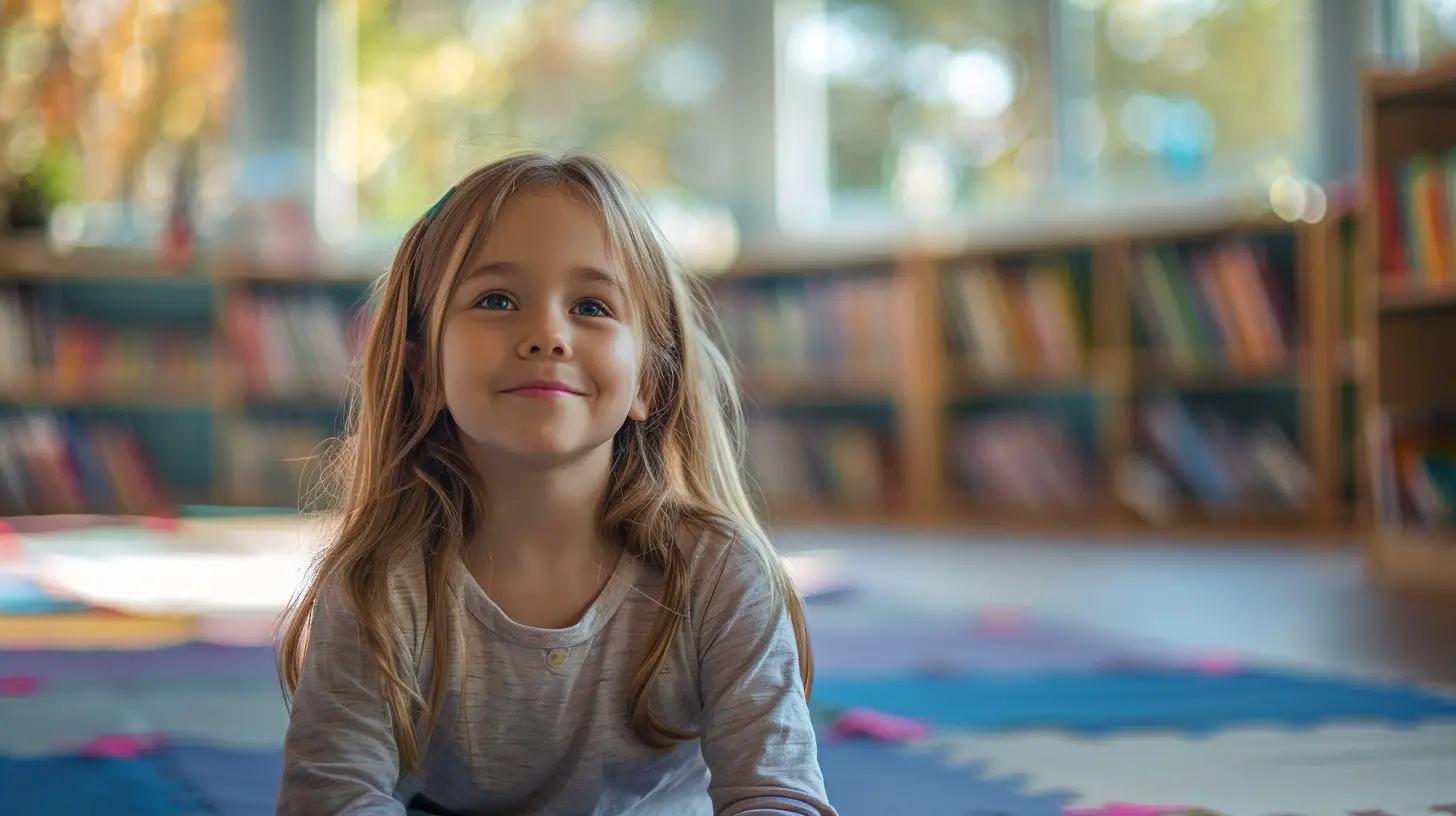
Why Is Mindfulness Important for Young Children?
Young kids often experience big emotions. A simple disagreement over a toy or an unexpected routine change can feel like the end of the world to them. Mindfulness teaches children how to manage their emotions, stay calm, and react to situations in a healthy way.By introducing mindfulness early, we’re giving children tools to handle stress, improve their focus, and develop emotional intelligence—all of which are essential for lifelong success.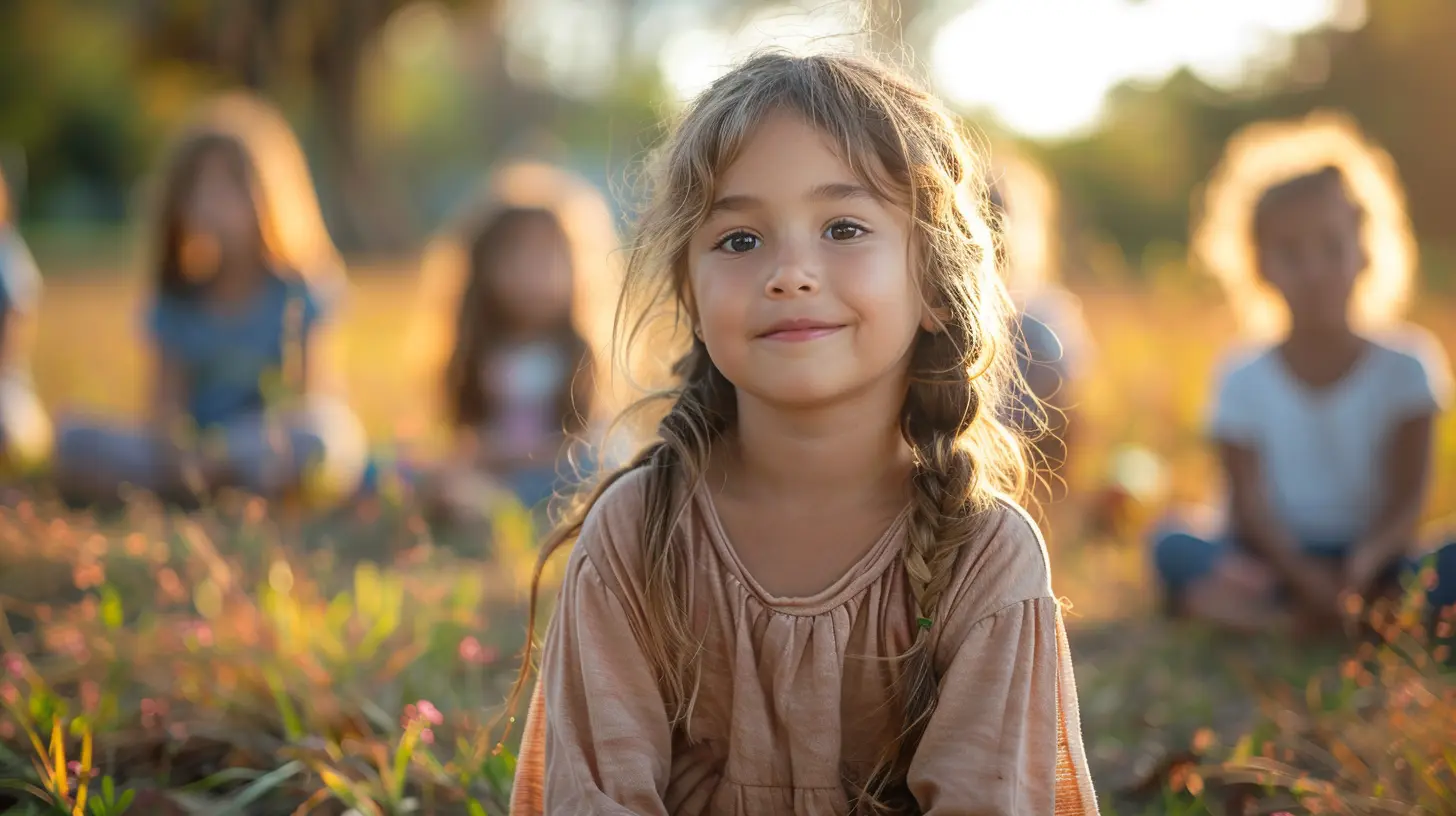
Key Benefits of Mindfulness in Early Childhood Education
1. Improves Focus and Attention
In today’s fast-paced world, even young children can struggle with distractions. Mindfulness helps them train their attention and concentrate better.By practicing simple breathing exercises or structured mindfulness activities, children learn how to stay focused—even in a noisy classroom. This skill is especially helpful for kids who may have trouble sitting still or paying attention for long periods.
2. Helps Regulate Emotions
Tantrums, mood swings, and outbursts are all part of early childhood. But mindfulness can help children understand and manage their emotions better.When they learn to recognize their feelings without judgment, they can react more calmly instead of impulsively. Imagine a child who normally throws a tantrum when things don’t go their way. With mindfulness, they may learn to take a deep breath, calm down, and express their feelings in words instead.
3. Reduces Anxiety and Stress
Even little kids feel stress—whether it’s from being in a new environment, struggling with schoolwork, or dealing with social challenges. Mindfulness gives children coping mechanisms to reduce anxiety and stress by focusing on the present instead of worrying about what’s next.A simple technique like a "mindful pause" before a test or a breathing exercise before bedtime can make a huge difference in lowering stress levels.
4. Encourages Kindness and Empathy
Mindfulness isn’t just about self-awareness—it also fosters compassion and empathy for others. When children are mindful, they become more aware of how their actions and words affect those around them.For example, a child who practices mindfulness is more likely to pause before reacting negatively, making them kinder and more understanding towards their peers. This leads to stronger friendships and a more positive classroom environment.
5. Supports Better Learning and Memory
When children are mindful, they are better able to absorb and retain information. A calm, focused mind is more receptive to learning, making it easier to grasp new concepts.Think of the brain like a still pond—when the water is calm, it reflects everything clearly. When it’s chaotic, everything becomes blurry. Mindfulness helps settle the "mental waters," making learning smoother and more effective.
6. Promotes Self-Awareness and Confidence
Self-awareness is the foundation of self-esteem. When children practice mindfulness, they develop a deeper understanding of themselves—their strengths, their emotions, and how they react to different situations.This increased self-awareness builds confidence and resilience, helping children navigate challenges with a positive mindset.
7. Improves Sleep Quality
A restless mind can make it difficult for children to fall—and stay—asleep. Mindfulness encourages relaxation, making bedtime routines smoother and sleep deeper.Simple practices like guided breathing or visualizing a peaceful place can help children wind down and sleep better, leading to improved mood and concentration the next day.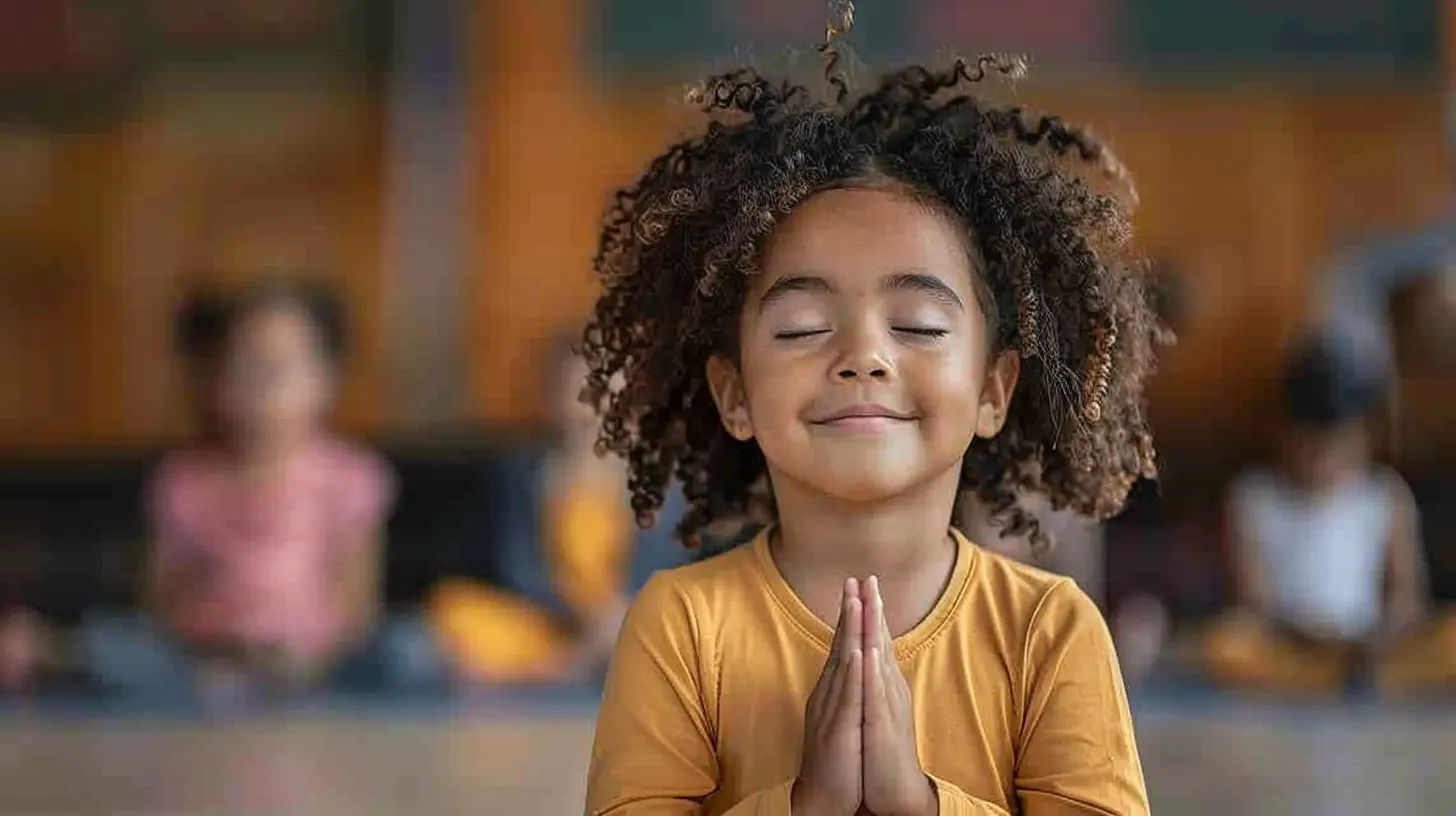
How to Introduce Mindfulness to Young Children
Now that we know the benefits, how can parents and teachers introduce mindfulness in a fun and engaging way? Here are some simple activities to try:1. Belly Breathing
Have children lie down and place a small stuffed animal on their belly. Ask them to breathe in deeply, watching the stuffed animal rise, then exhale slowly and watch it fall. This helps them focus on their breath and calm their minds.2. Mindful Listening
Ring a bell or play a soft sound and ask children to listen carefully until they can no longer hear it. This improves attention and teaches them patience.3. The Five Senses Game
Encourage kids to notice five things they see, four things they can touch, three things they hear, two things they smell, and one thing they taste. This simple game helps bring awareness to the present moment.4. Gratitude Sharing
At the end of each day, ask children to share one thing they are grateful for. This practice encourages positivity and helps them focus on the good in their lives.5. Nature Walks
Taking a slow walk outside and noticing nature—like the feeling of the wind, the sound of birds, or the color of the sky—can be a powerful mindfulness exercise.Final Thoughts
Mindfulness in early childhood education is more than just a trend—it’s a life-changing practice that helps children develop crucial emotional and cognitive skills. By teaching young children how to be present, manage their emotions, and show kindness, we’re giving them a strong foundation for lifelong success.Whether you're a parent or an educator, incorporating mindfulness into a child’s daily routine doesn’t have to be complicated. Even a few minutes a day can make a world of difference. And the best part? The benefits of mindfulness extend beyond childhood, shaping healthier, happier adults in the future.
So why not give it a try? A little mindfulness can go a long way in shaping brighter, more balanced young minds.
all images in this post were generated using AI tools
Category:
Mindfulness In EducationAuthor:

Charlotte Rogers
Discussion
rate this article
3 comments
Nora Pope
Mindfulness in early childhood education enhances emotional regulation, boosts attention spans, and fosters social skills. By integrating mindfulness practices, educators can create a nurturing environment that supports holistic development, equipping young learners with essential tools to navigate challenges both in and out of the classroom.
June 28, 2026 at 12:09 PM
Kennedy McClendon
Mindfulness in early education: because teaching kids to breathe deeply is way easier than teaching them to share crayons!
June 27, 2026 at 12:24 PM
Charlotte Rogers
Absolutely! Mindfulness equips children with essential tools for emotional regulation, making social interactions like sharing much smoother.
Pierce Pace
Mindfulness in early childhood education is a game-changer! It nurtures emotional resilience, enhances focus, and fosters a deep connection to self and others. By embracing mindfulness, we empower young minds to thrive, cultivate empathy, and build a foundation for lifelong learning. Let’s inspire our future leaders, one mindful moment at a time!
June 24, 2026 at 11:37 AM
Charlotte Rogers
Thank you for your insightful comment! I completely agree—mindfulness truly transforms early childhood education by promoting emotional well-being and fostering essential skills for future success.