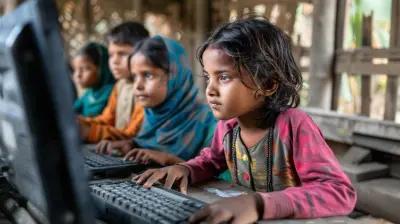
How Coding Can Help Foster Emotional Intelligence in Students
26 June 2026
Alright, let’s kick this off with some honesty: when most people hear the word “coding,” they think of super nerdy types hunched over computers, speaking in what sounds like robot gibberish—lines of code, weird symbols, and a whole lot of coffee.
And emotional intelligence? That's the touchy-feely stuff—you know, handling feelings, managing stress, walking a mile in someone else’s shoes. Totally different worlds, right?
Well, not so fast! What if I told you that teaching students to code could actually boost their emotional intelligence?
Yeah, I know—it sounds like something out of a futuristic teacher-training book, but it’s happening right now. And there's science, stories, and logic to back it up. So, grab your favorite snack, crack your fingers (yep, the universal signal for getting serious), and let’s talk about how coding helps students become not just smarter, but kinder, calmer, and more emotionally aware.
What on Earth Is Emotional Intelligence Anyway?
Before we mash emotional intelligence and coding into the same brain smoothie, let's clear up what emotional intelligence (EI) actually is.In simple human terms, EI is the ability to:
- Understand your own emotions (yes, even when you're hangry)
- Manage those emotions (like not throwing your laptop when your code breaks. Again.)
- Empathize with others
- Communicate effectively
- Handle interpersonal relationships with a little tact
Sound familiar? Yep, those are all the soft skills teachers, employers, and basically every functioning adult talks about.
Now, What Does That Have to Do With Coding?
You’d be surprised. Coding isn’t just about computers. It’s about solving problems, creating things, working with others, failing (a lot), and trying again. Sound a little more emotionally intense now?Here’s how coding and emotional intelligence start to tag team like Batman and Robin.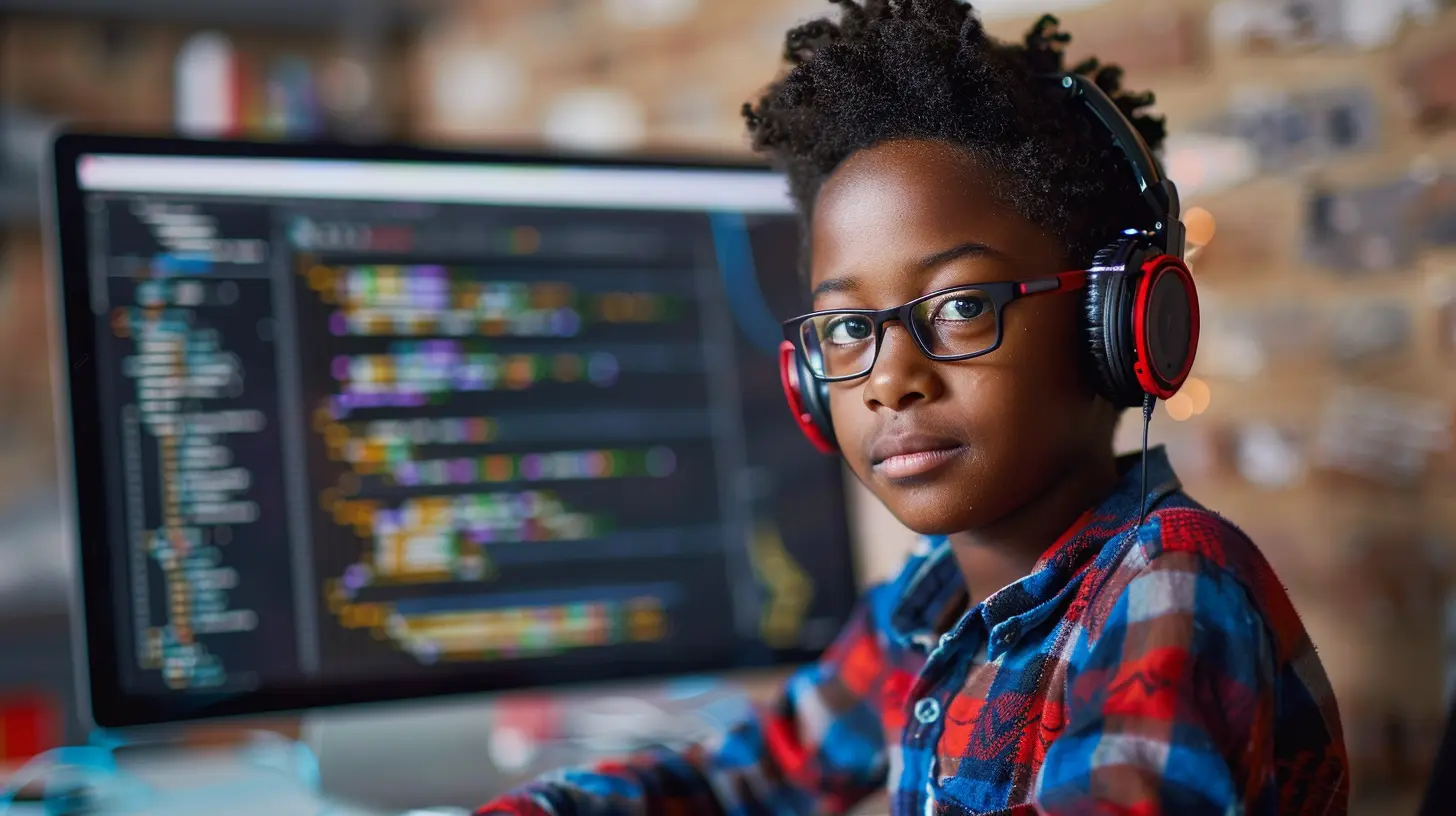
1. Coding Builds Grit (The Fancy Word for Emotional Resilience)
Remember the first time you tried to ride a bike, and you totally wiped out? But then you got up, tried again, maybe cried a little (okay, a lot), and finally nailed it? That’s grit.Coding is the digital version of that. When students write code, they will mess up. Constantly. Syntax errors, semicolon drama, bugs that don’t make sense to anyone—not even Google.
But here’s the magic: they learn to stick with it. They push through frustration, ask for help, and keep tweaking until it works. That muscle they’re building? Emotional resilience.
So every time a twelve-year-old sits down to fix a broken loop or track down a mysterious bug, they're not just learning code. They're learning how to fail gracefully and keep going—which, let's be honest, is a critical life skill.
2. Debugging = Practicing Emotional Control
Debugging is like playing detective in a mystery where the killer is a missing bracket.It’s frustrating. It’s tedious. It makes you want to toss your laptop out the window.
But here’s the thing—students can’t let emotion drive the train when debugging. They’ve got to breathe, stay calm, and work logically. That’s practicing emotional regulation, folks.
Over time, students who code start to naturally check their emotional responses. Instead of freaking out, they pause, analyze, and problem solve.
It's basically meditation with caffeine.
3. Collaborating on Code Builds Empathy (Yes, Really)
Raise your hand if you’ve ever worked on a group project and wanted to scream into the void. ?♀️Well, coding in teams is a massive part of real-life tech jobs—and the classroom is a great training ground.
When students work together on a shared project (like building a game or app), they need to:
- Communicate clearly
- Share responsibilities
- Respect different perspectives
- Be patient (especially when their partner’s code breaks the whole thing)
This kind of collaboration nudges students toward empathy. They start to see that their way isn’t the only way. They learn to listen more and judge less.
Coding = teamwork. Teamwork = empathy. Empathy = emotional intelligence. Boom. We just solved the equation.
4. Coding Encourages Reflection
Ever had a moment where you solved something and then thought, “Huh, how the heck did I even do that?”That’s reflection. And in coding, it happens all the time.
When students finish a project (even a tiny one), they often look back, review what worked and what didn’t, and consider improvements.
That reflective practice? It’s a legit emotional intelligence skill—being self-aware, recognizing mistakes without spiraling, and learning from them.
Imagine a student finishing their app, thinking, “Wow, I panicked over nothing earlier. I got this.” That’s emotional growth right there, wrapped in binary.
5. Coding Teaches Patience and Focus (Two Rare Superpowers)
Let’s be real: the attention span of most students is about the length of a TikTok video. Coding demands patience.You can’t rush through a coding project the way you might a multiple-choice quiz. Computers are picky.
Students learn to slow down, check their work, focus for extended periods, and resist distractions—skills that are also crucial for emotional control and mindfulness.
By the time they’ve finally created that pixel-perfect animation or bug-free game, students have developed more than tech skills. They’ve leveled up their inner zen.
6. Coding Supports Growth Mindset
You know the mantra: “I can’t do this… yet.”Coding is the ultimate growth mindset workout. Students face challenge after challenge, and gradually, the “I’m not a computer person” turns into “Wait, I actually made this thing work!”
That shift in self-talk is pure emotional intelligence. It’s about believing you can grow, learning that effort matters, and keeping your cool even when the wheels fall off.
Every time they write a new function or fix an error, they internalize a powerful message: "I have the ability to figure things out." That’s confidence + EQ in action.
7. Code Is a Creative Outlet, and Emotions Live There
Surprise! Coding isn’t just logic and math. It’s also super creative.Think digital storytelling, designing websites, creating games, or coding music apps. These projects let students express themselves, process emotions, and share their unique perspectives.
You’d be amazed what students can communicate through a well-designed interface or a game character’s journey. Coding lets them channel their thoughts and feelings into something productive and beautiful.
It’s like therapy... only with JavaScript.
8. Helps Students Navigate Tech-Based Emotions
Let’s not ignore the elephant in the room: our students are growing up in the digital jungle.Between social media drama, doomscrolling, and 24/7 notifications, their emotional world is heavily impacted by tech. Teaching them to create tech instead of just consuming it gives them a kind of emotional armor.
When they understand how algorithms work or why code behaves a certain way, they become less anxious and more in control. They’re not just passengers anymore—they’re drivers.
That sense of empowerment? Total boost in emotional intelligence.
9. Students Learn to Celebrate Small Wins
You hit “Run,” and the page finally does what you wanted. No fireworks, no parade, but internally? YOU'RE SCREAMING WITH JOY.Coding teaches students to appreciate small victories. Whether it’s fixing one bug or figuring out how to center a div (web developers, you know the pain), they start recognizing progress in tiny steps.
Celebrating those wins builds confidence, reduces anxiety, and helps them find satisfaction in the journey—not just the destination. That’s some emotionally intelligent stuff right there!
10. Coding Encourages Curiosity Over Judgment
Last but not least, coding rewires the brain to approach problems curiously rather than judgmentally.Instead of saying, “Ugh, I’m so bad at this,” students start asking, “Why isn’t this working?” or “What happens if I change this variable?”
That curiosity spills over into real life. Suddenly, they’re more likely to ask why someone acted a certain way, instead of just labeling them as annoying.
Curiosity leads to understanding. Understanding leads to empathy. And empathy is emotional intelligence’s bestie.
So, Can Coding Really Boost Emotional Intelligence?
Yes. A hundred times yes.When students learn to code, they’re doing so much more than learning how to talk to machines. They’re learning how to talk to themselves kindly, treat others with empathy, manage their stress, and grow through failure.
Coding is a classroom for the heart, not just the head.
So next time you see a student squinting at a screen, muttering about a bug, don’t just see future Mark Zuckerbergs.
See future leaders, creators, and emotionally intelligent rockstars.
Final Thoughts: Let’s Keep It Real
Look, coding isn’t magical unicorn dust that instantly turns every kid into a feelings guru. But when introduced thoughtfully and supported with patience (and maybe a few well-placed memes), it becomes a seriously powerful tool for emotional growth.So let’s keep teaching code—not just for the tech jobs or the $$$, but because it’s sneakily turning our kids into better humans.
And if that’s not worth a few broken semicolons, I don’t know what is.
all images in this post were generated using AI tools
Category:
Coding In SchoolsAuthor:

Charlotte Rogers
Discussion
rate this article
3 comments
Kian McGlynn
Coding fosters problem-solving and collaboration, essential skills that enhance emotional intelligence and interpersonal relationships in students.
June 29, 2026 at 11:03 AM
Charlotte Rogers
Absolutely! Coding not only builds technical skills but also cultivates essential emotional intelligence and interpersonal skills through collaboration and problem-solving experiences.
Jet McBride
This insightful article highlights the powerful intersection of coding and emotional intelligence, illustrating how problem-solving and collaboration in coding can enhance empathy and interpersonal skills among students. A must-read for educators!
June 29, 2026 at 4:50 AM
Charlotte Rogers
Thank you for your thoughtful comment! I'm glad you found the article valuable and that it resonates with the importance of fostering both coding skills and emotional intelligence in education.
Onyx Ross
This article insightfully explores the intersection of coding and emotional intelligence, highlighting how programming fosters critical thinking and collaboration, ultimately enhancing students' ability to understand and navigate their emotions and those of others.
June 28, 2026 at 12:09 PM