Mindfulness for High School Students: Building Resilience
3 April 2026
Let’s face it—being a high school student isn’t exactly a walk in the park. Between academic pressure, social struggles, extracurricular overload, and the ever-present buzz of social media, it’s no wonder today’s teens feel overwhelmed. So, how do we help them stay grounded, keep stress in check, and bounce back from setbacks with strength?
The answer might be simpler (and quieter) than you think. We're talking about mindfulness—a practice that's been gaining traction in classrooms across the globe. But mindfulness isn’t just about breathing exercises or closing your eyes in silence. It's a powerful tool that can help high schoolers build resilience, reduce anxiety, and become more centered in a chaotic world.
Let’s dive deep into what mindfulness really means, why it matters for teens, and how you can actually use it in day-to-day high school life.
What Is Mindfulness, Anyway?
Put simply, mindfulness is about paying attention, on purpose, in the present moment, without judgment. Sounds easy enough, right?But think about it: how often do you actually focus on what’s happening right now, instead of stressing about that upcoming math test or replaying that awkward thing you said at lunch? Our minds constantly bounce around like a pinball machine.
Mindfulness is like hitting the pause button—and who doesn’t need that sometimes?
Mindfulness Isn't New
Although it might feel like a trendy buzzword, mindfulness has roots in ancient meditation traditions, particularly Buddhism. And while you don’t have to be spiritual to practice mindfulness, understanding its background helps us appreciate its purpose: awareness, compassion, and self-understanding.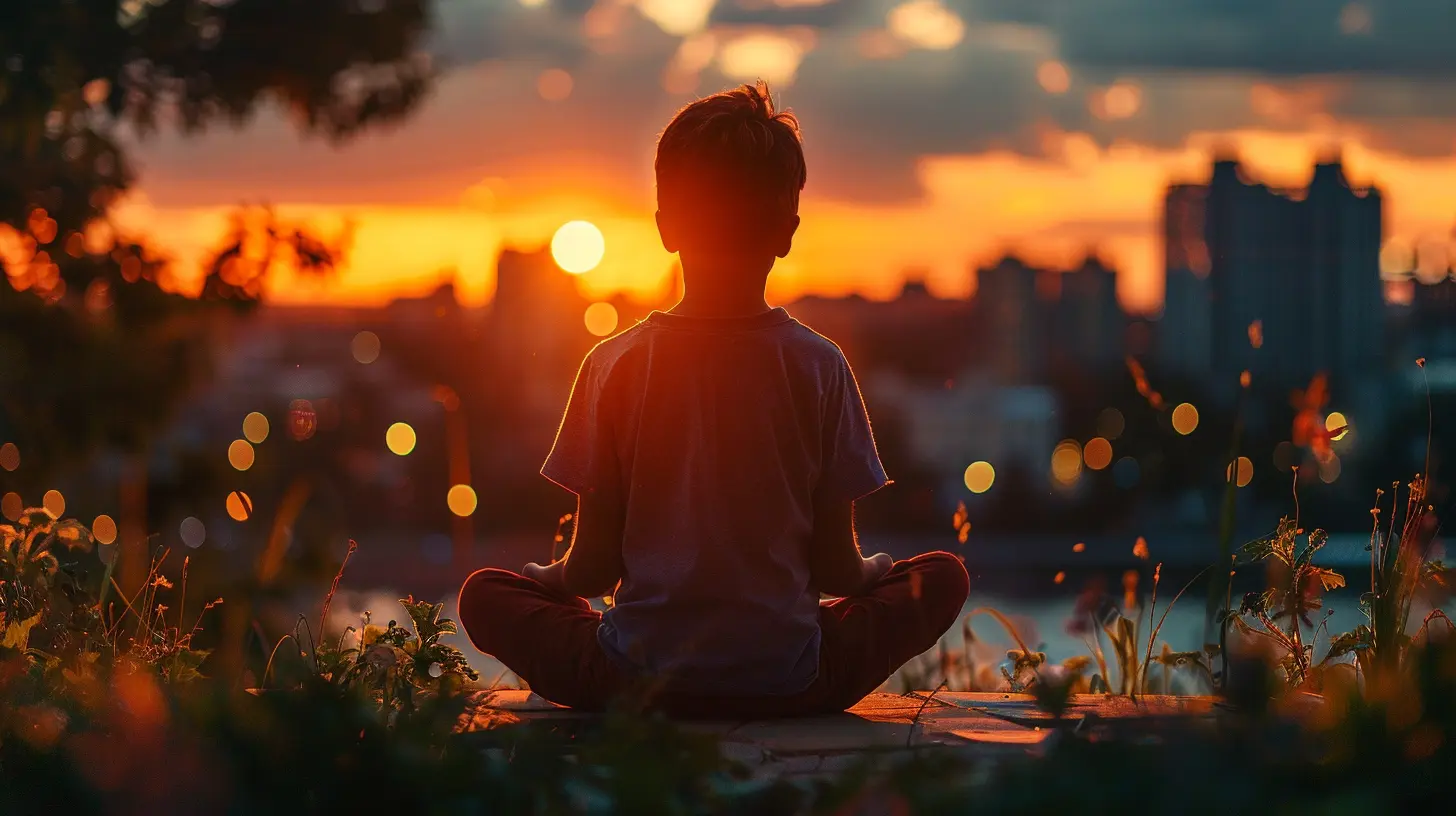
Why Do High School Students Need Mindfulness?
We’re living in the age of information overload. While our brains are amazing, they’re not really designed to process a thousand thoughts at once (especially when those thoughts include exams, friend drama, college apps, and a gazillion notifications).Teenagers today are more stressed than ever. According to the American Psychological Association, teen stress now rivals that of adults. Yikes.
Here’s where mindfulness steps in. Practicing mindfulness helps break the cycle of rumination—basically those endless mental loops of worry and overthinking. It’s like giving the brain a breather and building mental muscles that help with:
- Emotional regulation
- Better decision-making
- Increased focus
- Improved academic performance
- Stronger interpersonal relationships
And perhaps most importantly? Resilience.
Building Resilience: What Does That Even Mean?
You know that feeling when life knocks you down, and somehow, you get back up again? That’s resilience. It’s the ability to adapt when things go sideways—to bend without breaking.Think of it like a rubber band. A strong one snaps right back into shape. A weak one? It breaks under pressure.
High school throws all kinds of challenges at teens. Whether it’s a bad grade, a break-up, or rejection from a dream college, resilience helps students bounce back and keep going.
So how does mindfulness come into play?
The Mindfulness-Resilience Connection
Mindfulness teaches students to become aware of their emotions without getting swept away by them. It’s kinda like being the captain of your own ship when the waves get rough.Here's how mindfulness strengthens resilience:
1. Reduces Emotional Reactivity
When stuff hits the fan, it’s easy to fall into knee-jerk reactions—anger, sadness, frustration. Mindfulness teaches students to press pause, observe what’s happening, and respond thoughtfully instead of reacting impulsively.2. Boosts Self-Awareness
Self-aware students recognize their thought patterns and emotional triggers. This awareness gives them power—the power to shift their mindset or seek support when needed.3. Improves Focus and Concentration
A scattered brain struggles with problem-solving. Mindfulness trains the mind to focus, which helps tackle issues more clearly and calmly.4. Fosters a Growth Mindset
Mindfulness encourages curiosity and compassion. Instead of harsh self-judgment, students learn to approach mistakes with kindness and the attitude of “what can I learn from this?”5. Encourages Acceptance
Life isn’t always fair. Mindfulness helps teens accept what they can’t control and channel energy into what they can change.Everyday Mindfulness Techniques for Teens
Now, let’s be real—most high school students aren’t going to sit in lotus position for an hour chanting “om.”But mindfulness doesn’t need incense or fancy pillows. It simply requires intention—and a bit of practice.
Here are some teen-friendly ways to weave mindfulness into everyday life:
1. Mindful Breathing
Yup, just breathing. But on purpose. Try this: Inhale slowly for four counts, hold for four, exhale for four. Repeat 3-5 times. Boom—instant calm.This works wonders before a test, during a stressful convo, or even while waiting for the bus.
2. Body Scan
Lay down, close your eyes, and mentally check in with each part of your body, starting at your toes and moving up to your head. Notice any tension, tingling, or tightness.Not only is this relaxing, but it also develops awareness of how stress shows up physically.
3. Mindful Journaling
Journaling’s like having a conversation with yourself. Try prompts like:- What made you smile today?
- When did you feel frustrated?
- What’s one thing you’re grateful for?
Putting thoughts to paper helps process emotions and reduce mental clutter.
4. Mindful Listening
Next time someone talks to you, really listen. Not thinking about your reply. Not scrolling your phone. Just listen.You’ll be surprised how much deeper your connections get.
5. Mindful Movement
Not into sitting still? That’s cool. Yoga, walking, dancing, or even mindful skateboarding (yes, that’s a thing) can be powerful mindfulness practices if done with full attention.Implementing Mindfulness in Schools
If you’re a teacher, counselor, or school admin, you might be thinking: “This all sounds great, but how do we actually make it happen?”Mindfulness can be a low-cost, high-impact addition to school culture. Here’s how to get started:
Integrate Short Practices into the Day
Even 3-5 minute breathing or visualization exercises at the beginning of class can help students transition and refocus.Create a Calm Space
A quiet room with cozy furniture and calming visuals gives students a retreat from the noise.Train Staff on Mindfulness
Educators need mindfulness too! When teachers model calmness and presence, students follow.Incorporate into Wellness Curriculum
Mindfulness can easily slip into health, psychology, or social-emotional learning (SEL) classes. It's not just a “nice-to-have”—it’s a life skill.Common Misconceptions About Mindfulness
Let’s clear up some myths, shall we?“It’s just for hippies.”
Nope. CEOs, athletes, and medical professionals all use mindfulness. It's science-backed and effective.“I don’t have time.”
Even one mindful minute is better than none. You can sneak it in between classes, while brushing your teeth, or waiting in line.“I’m bad at it—I can’t shut off my brain.”
Here’s the kicker: mindfulness isn’t about stopping thoughts. It’s about noticing them without getting carried away. Everyone gets distracted. That’s part of the process.Let’s Talk Science: What Research Says
Still skeptical? Take a look at the research.A 2010 study published in the Journal of Adolescence showed that students who underwent mindfulness training experienced lower levels of depression, anxiety, and stress compared to their peers.
Another study from Harvard Medical School found that just 8 weeks of mindfulness practice led to increased gray matter in areas of the brain associated with memory, emotional regulation, and learning.
Translation? Mindfulness doesn’t just feel good—it actually rewires the brain for better emotional and cognitive functioning.
Real Talk: Student Stories
Let’s hear from the source—students themselves.> “I used to panic before every test. My hands would shake. But now, I do mindful breathing before I start, and it helps me focus.”
> – Sarah, 10th Grade
> “Mindfulness helped me realize I was being too hard on myself. I started journaling and it changed how I see things.”
> – Jason, 12th Grade
> “It’s weird at first, but once you get used to it, it’s like giving your brain a nap while you’re still awake.”
> – Emma, 11th Grade
Final Thoughts: Planting the Seeds Early
Mindfulness isn’t a magic wand. It won’t erase life’s problems, but it gives teens the tools to face them with courage and calm.By introducing mindfulness during the high school years, we’re not just teaching students to cope—we’re helping them thrive. We’re laying the groundwork for emotional intelligence, mental strength, and yes, resilience.
High school will always have its ups and downs. But with mindfulness? Students can learn to ride the waves—rather than be swept away by them.
all images in this post were generated using AI tools
Category:
Mindfulness In EducationAuthor:

Charlotte Rogers
Discussion
rate this article
4 comments
Henrietta Alvarez
Resilience: the superhero cape every high schooler needs for life's plot twists!
July 6, 2026 at 4:11 AM
Charlotte Rogers
Absolutely! Resilience is indeed a vital skill for navigating life's challenges, and mindfulness can be a powerful tool in helping students develop that superhero cape.
Nora Black
This article beautifully captures the essence of mindfulness for teens! It's a gentle reminder that taking a moment to breathe can make all the difference. Building resilience isn’t just about toughing it out; it’s about finding balance and self-care. Thank you!
May 3, 2026 at 3:38 AM
Charlotte Rogers
Thank you so much for your kind words! I'm glad the article resonated with you and highlighted the importance of mindfulness and self-care for teens.
Evangeline McConkey
Thank you for this insightful article on mindfulness for high school students. The strategies presented to build resilience are practical and essential, especially in today’s challenging environment. It's inspiring to see how mindfulness can positively impact students' well-being and academic success. Great job!
April 7, 2026 at 4:56 AM
Charlotte Rogers
Thank you for your kind words! I'm glad you found the article helpful and inspiring. Mindfulness truly can make a difference for students.
Zoey Newman
This is a fascinating topic! I’m eager to see how mindfulness can transform students' resilience and focus.
April 5, 2026 at 3:18 AM
Charlotte Rogers
Thank you! I'm excited to explore how mindfulness can truly empower students in their journey toward resilience and focus.