Using PBL to Promote Social Justice and Equity
21 April 2025
Education is evolving. Gone are the days when students simply sat through lectures, memorized facts, and regurgitated them during exams. Today, educators are looking for ways to engage students, make learning more meaningful, and, most importantly, address the social issues that shape our world. One such approach that's gaining traction is Project-Based Learning (PBL).
But here’s the kicker: PBL isn’t just about hands-on, engaging activities. It’s also a powerful tool to address social justice and equity in the classroom. In this article, we’ll dive deep into how PBL can be used to promote social justice and equity, and why it’s such a game-changer in today’s educational landscape.
What is Project-Based Learning (PBL)?
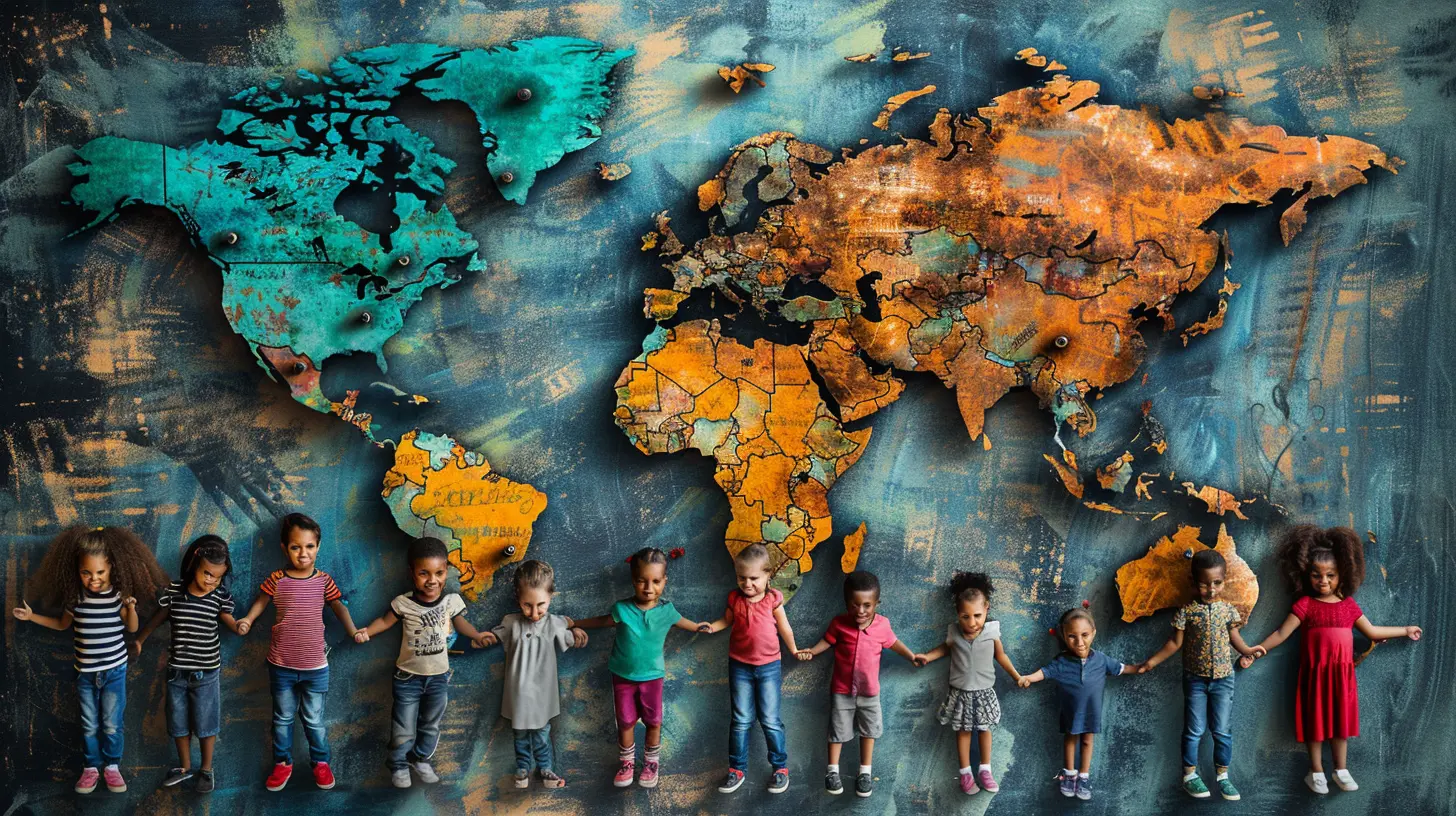
Before we get ahead of ourselves, let’s define what we’re talking about. Project-Based Learning is an instructional method where students learn by actively engaging in real-world and personally meaningful projects. Instead of passively receiving information, students in a PBL environment are tasked with solving problems, answering complex questions, and collaborating with their peers to create tangible results.In other words, PBL flips the traditional classroom script. Instead of the teacher being the "sage on the stage," they become the "guide on the side." Students are in the driver’s seat, and they’re the ones steering their learning journey.
Why Should We Care About Social Justice in Education?
Let’s be real for a second. The world we live in isn’t always fair. Systemic inequalities—whether based on race, gender, socioeconomic status, or other factors—continue to plague societies around the globe. Education, for many, is seen as the great equalizer, the key to breaking the cycle of poverty and creating opportunities.But what happens when the education system itself is riddled with inequalities? What happens when certain groups of students are left behind because of societal biases or lack of resources? This is where social justice in education comes into play.
Social justice in education means ensuring that all students, regardless of their background, have access to quality education and the tools they need to succeed. It’s about recognizing and addressing the disparities that exist in our schools and making sure that every student’s voice is heard and valued.
How Can PBL Promote Social Justice and Equity?
Now, let’s connect the dots. How exactly does Project-Based Learning tie into social justice and equity? It all comes down to empowering students and giving them a voice.1. Encouraging Critical Thinking and Problem-Solving
One of the core components of PBL is that students are asked to tackle real-world problems. These are not hypothetical scenarios or textbook examples; they often require students to think critically about the world around them and come up with viable solutions.Imagine a project where students are tasked with addressing issues like homelessness, climate change, or access to clean water. These are all issues that have deep ties to social justice. By engaging in these types of projects, students aren’t just learning about the problems—they’re thinking about how to solve them.
More importantly, students are learning to question the status quo. They’re not just accepting things as they are; they’re thinking about how they can be changed for the better. And that’s a huge part of promoting social justice—encouraging young people to challenge systems of inequality and think about how they can make the world a more equitable place.
2. Promoting Student Voice and Choice
Traditional classrooms can sometimes feel like a one-size-fits-all approach, where the teacher decides what’s important, and students have little say in their own learning. PBL turns this dynamic on its head.In a PBL environment, students are often given voice and choice. They’re able to choose topics that matter to them, explore issues they’re passionate about, and come up with their own solutions. This is especially important when it comes to promoting equity because it ensures that all students—regardless of their background or experiences—have the opportunity to express their perspectives.
For instance, a student from an immigrant family might choose to explore issues surrounding immigration policy, while another student might focus on gender equality in sports. By giving students the freedom to explore issues that matter to them, PBL helps ensure that diverse voices are heard and valued.
3. Fostering Collaboration and Empathy
One of the magical things about PBL is that it’s inherently collaborative. Students are often working in teams, which means they’re learning how to interact with people who may have different ideas, perspectives, and experiences. This is where empathy comes into play.Collaboration in PBL settings encourages students to listen to each other, understand different viewpoints, and work together to solve problems. This not only builds critical social skills but also promotes empathy—a key component of social justice. When students understand and appreciate the experiences of others, they’re more likely to advocate for fairness and equity, both in the classroom and beyond.
Think about it: If you’re working alongside someone who’s experienced poverty firsthand, or who’s faced racial discrimination, it’s hard not to be moved by their story. PBL creates these opportunities for students to connect with each other on a deeper level, which can spark a lifelong commitment to social justice.
4. Making Learning Culturally Relevant
One of the biggest criticisms of the traditional education system is that it often fails to be culturally relevant. In many schools, the curriculum is still largely Eurocentric, and the voices and experiences of minority groups are either ignored or tokenized.PBL has the potential to change this. Because students are often driving their own learning, they can bring their unique experiences, cultures, and identities into the classroom. This creates a more inclusive and representative learning environment.
For example, students might work on a project that explores the history of civil rights in their community or investigate environmental issues that disproportionately affect communities of color. By making learning culturally relevant, PBL ensures that all students feel seen, heard, and valued.
5. Addressing Power Dynamics
Power dynamics are everywhere, including in the classroom. Traditional teaching methods often position the teacher as the ultimate authority, with students simply following along. But here’s the thing: Learning isn’t just a top-down process. It’s a collaborative exchange of ideas, and PBL helps to flatten these hierarchies.In a PBL classroom, students have more control over their own learning. They’re not just passive recipients of knowledge—they’re active participants who are contributing to the learning process. This shift in power dynamics is crucial for promoting equity because it ensures that all students, regardless of their background or abilities, have a voice in the classroom.
Moreover, by giving students the opportunity to take ownership of their learning, PBL helps to build confidence and self-efficacy. This is especially important for students from marginalized groups, who may have been conditioned to believe that their voices don’t matter. PBL sends a clear message: Your ideas and contributions are valuable.
Real-World Examples of PBL Promoting Social Justice
Let’s talk about some real-world examples. There are already many schools and educators using PBL to promote social justice and equity. Here are a couple of inspiring examples:- The Paulo Freire Charter School in Newark, New Jersey, uses PBL to engage students in social justice issues. One project had students investigate the school-to-prison pipeline and create public presentations to raise awareness about the issue. Not only did students learn about a pressing social problem, but they also developed advocacy skills that could help them create real change in their community.
- At High Tech High in San Diego, students worked on a project called “Food Justice,” where they explored issues of food deserts and food insecurity in their local area. The project culminated in students creating a community garden and partnering with local organizations to distribute fresh food to underserved neighborhoods.
These are just a couple of examples, but they show how PBL can go beyond the classroom and make a real impact on students and their communities.
Challenges of Using PBL for Social Justice
Of course, it’s not all sunshine and rainbows. Using PBL to promote social justice and equity isn’t without its challenges. For one, not all educators are trained in how to deliver PBL effectively, especially when it comes to addressing sensitive social justice issues.Additionally, there’s always the risk that certain voices can still be marginalized, even in a PBL setting. If educators aren’t careful, dominant voices can take over, and students from marginalized groups may still feel left out.
However, these challenges aren’t insurmountable. With proper training, thoughtful facilitation, and a commitment to equity, educators can use PBL as a powerful tool to promote social justice in their classrooms.
Wrapping It Up
Project-Based Learning is much more than just a trendy teaching method. When used thoughtfully, it can be a powerful tool for promoting social justice and equity in the classroom. By encouraging critical thinking, amplifying student voices, fostering empathy, making learning culturally relevant, and addressing power dynamics, PBL can help create a more just and equitable world.The bottom line? PBL isn’t just about projects—it’s about people. It’s about empowering students to be the change-makers our world so desperately needs.
all images in this post were generated using AI tools
Category:
Project Based LearningAuthor:

Charlotte Rogers
Discussion
rate this article
12 comments
Joy Walker
This article sparks my curiosity! How can project-based learning be effectively tailored to address specific social justice issues in diverse educational settings? Insights would be invaluable!
January 31, 2026 at 3:41 AM
Charlotte Rogers
Thank you for your interest! Project-based learning can be tailored to social justice issues by involving students in community-specific projects, integrating diverse perspectives, and encouraging critical thinking about inequities. Engaging with local organizations and stakeholders can also enhance relevance and impact.
Sofia McKee
Empowering students through Project-Based Learning not only fosters critical skills but also cultivates a deeper understanding of social justice. Together, we can inspire a generation committed to equity and positive change!
December 17, 2025 at 9:01 PM
Charlotte Rogers
Thank you for your insightful comment! I completely agree that Project-Based Learning is a powerful tool for empowering students and promoting social justice. Together, we can make a meaningful impact!
Selah Nelson
Empowering students through PBL cultivates critical thinking and fosters social change.
November 9, 2025 at 4:20 AM
Charlotte Rogers
Absolutely! PBL not only enhances critical thinking but also equips students with the skills to drive meaningful social change.
Makayla Roth
Thank you for highlighting the role of Project-Based Learning in advancing social justice and equity. It's inspiring to see how this educational approach can empower students to become proactive change-makers in their communities.
October 13, 2025 at 11:39 AM
Charlotte Rogers
Thank you for your thoughtful comment! I'm glad to hear you find Project-Based Learning empowering for students and its potential to foster social justice and equity.
Quinn Pacheco
Project-Based Learning (PBL) serves as a powerful tool in advancing social justice and equity by actively engaging students in real-world issues, fostering critical thinking, collaboration, and empathy, ultimately empowering them to become informed change-makers in their communities.
September 6, 2025 at 7:42 PM
Charlotte Rogers
Thank you for highlighting the transformative potential of Project-Based Learning! Engaging students in real-world issues is essential for nurturing informed change-makers and promoting social justice.
Talia Hunter
PBL is a powerful tool for fostering social justice and equity, empowering students to engage with real-world issues meaningfully.
August 3, 2025 at 10:23 AM
Charlotte Rogers
Thank you for your insightful comment! I completely agree that PBL not only enhances student engagement but also serves as a vital mechanism for addressing social justice and equity in education.
Zayden Wilkins
Project-Based Learning for social justice? Yes, please! Let’s turn those academic discussions into meaningful action that actually sparks change!
July 3, 2025 at 2:47 AM
Charlotte Rogers
Thank you! I completely agree—transforming academic discussions into action is essential for fostering social justice and equity. Let's make a difference together!
Reagan McIntosh
I'm intrigued by how Project-Based Learning can foster social justice. What specific strategies do you recommend for effectively integrating equity principles into PBL activities?
June 12, 2025 at 10:34 AM
Charlotte Rogers
To effectively integrate equity principles into Project-Based Learning, consider the following strategies: 1. **Diverse Voices**: Ensure project topics reflect a variety of perspectives and community issues. 2. **Collaborative Groups**: Form diverse teams to promote inclusion and understanding. 3. **Real-World Issues**: Focus on local social justice challenges to create relevance and urgency. 4. **Empowerment**: Allow students to take ownership of their projects, fostering agency and critical thinking. 5. **Reflection**: Incorporate regular reflection on equity and social justice throughout the project process.
Cassian McNaughton
PBL: because solving world problems is more fun than solving yesterday's math homework!
May 16, 2025 at 8:44 PM
Charlotte Rogers
Absolutely! PBL not only engages students but also empowers them to tackle real-world issues, fostering a sense of agency and purpose.
Asher Harmon
Empowering students through Project-Based Learning fosters critical thinking and drives meaningful change for social justice and equity.
April 27, 2025 at 9:03 PM
Charlotte Rogers
Thank you for your insightful comment! I'm glad to hear that you recognize the potential of Project-Based Learning to inspire critical thinking and promote social justice.
Karson McNaughton
This article beautifully highlights the transformative power of Project-Based Learning in fostering social justice and equity. By engaging students in real-world issues, we not only develop critical thinking skills but also cultivate empathy and activism. It’s inspiring to see education used as a tool for meaningful change in our communities.
April 22, 2025 at 7:12 PM
Charlotte Rogers
Thank you for your thoughtful comment! I'm glad you found the article inspiring and that it resonates with the importance of Project-Based Learning in fostering social justice and equity.
Sophie Harper
Exciting approach! Curious how PBL can reshape perspectives on equity.
April 21, 2025 at 12:45 PM
Charlotte Rogers
Thank you! PBL encourages critical thinking and collaboration, enabling students to engage with real-world issues and perspectives, ultimately fostering a deeper understanding of equity and social justice.
MORE POSTS
Emotional Resilience in Little Learners: Teaching Coping Skills
Unpacking Bias: The First Step in Critical Thinking
How to Approach Gender Identity Conversations with Young Children

Creating Classroom Spaces that Encourage Exploration and Discovery

Empowering Students with Choice: How to Differentiate by Interest

How Project-Based Learning Prepares Students for the Workforce

Music Education for Homeschoolers: A Guide for Parents

How to Use Everyday Conversations to Build Early Literacy