The Role of Mindfulness in Student Success
19 May 2026
Have you ever found yourself staring at your textbook for hours but absorbing nothing? Or maybe you feel overwhelmed during exams, your thoughts racing faster than you can catch them? If that sounds familiar, you're not alone. Students everywhere face similar struggles—burnout, anxiety, lack of motivation. The good news? There's a simple yet powerful tool that can change the game: mindfulness.
Now, before rolling your eyes and picturing people meditating under a tree for hours, let’s clear something up. Mindfulness doesn’t require incense or chanting in Sanskrit. At its core, it’s about being present—fully present—in whatever you’re doing, whether that’s taking notes, listening in class, or working through a tough math problem. Sounds doable, right?
Let’s dive deep into how mindfulness can boost student success—not just academically, but emotionally and socially too.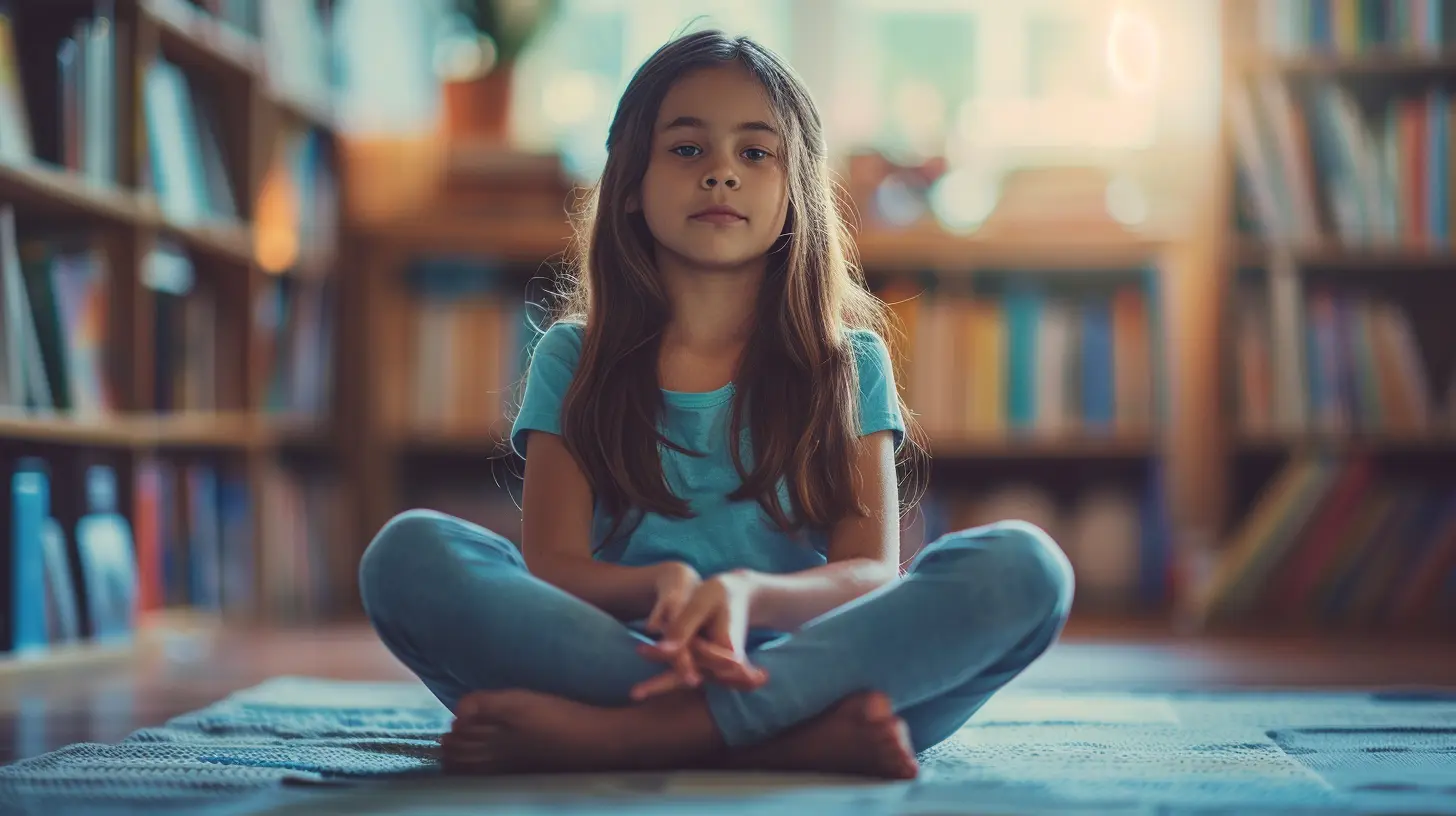
What Is Mindfulness, Really?
Let’s start with the basics. Mindfulness is the practice of paying attention to the present moment intentionally and without judgment. That means you're not worrying about the test next week or replaying that awkward moment from yesterday. You're simply focused on what’s happening right now.Imagine your brain is like a web browser with 36 tabs open. Mindfulness is the act of closing most of those tabs so you can focus on the one you're actually using.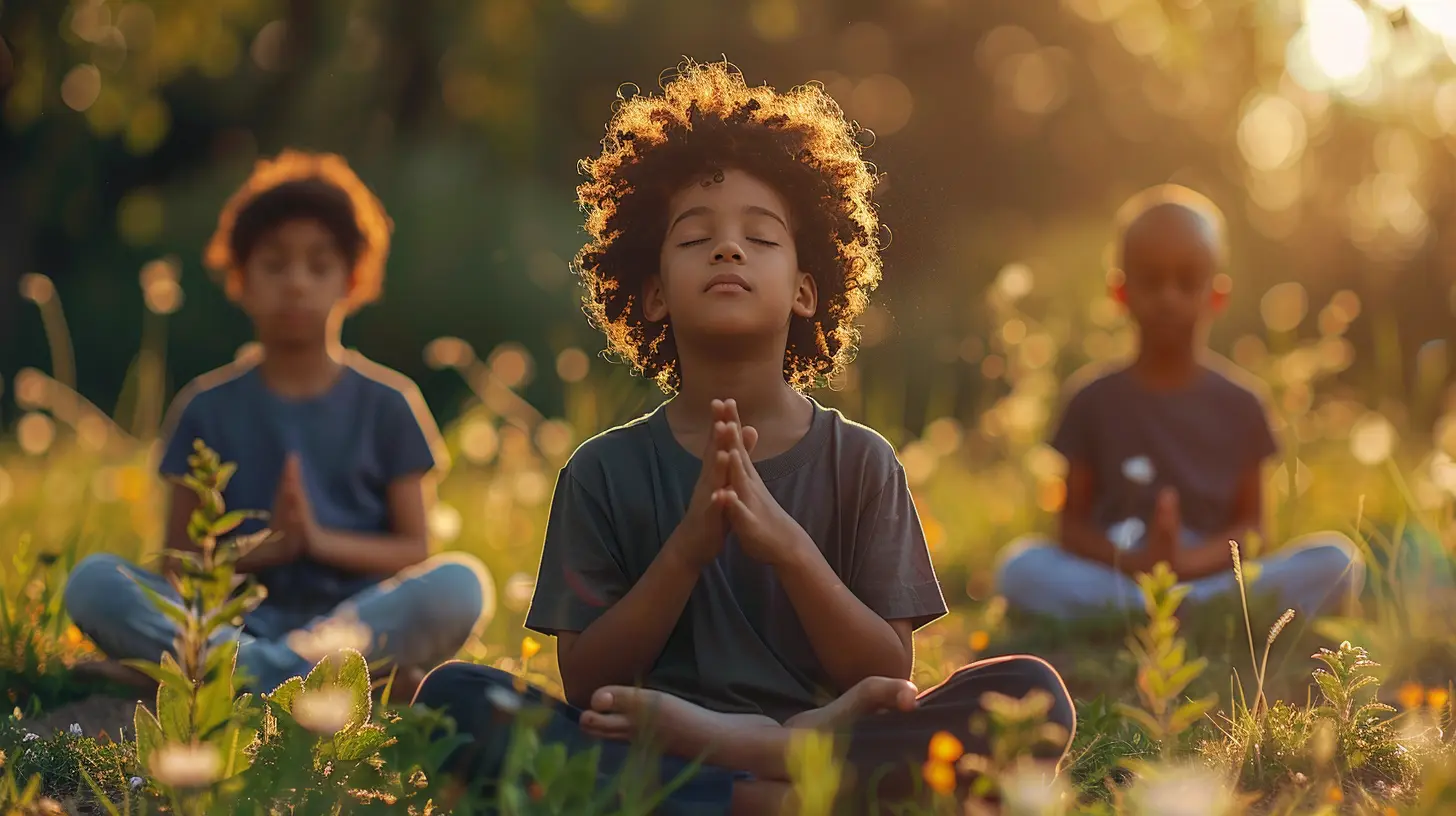
Why Is Mindfulness Relevant for Students?
Students today juggle more than ever—assignments, exams, extracurriculars, social pressures, and let’s not forget the endless scroll of social media. It’s a lot. And often, the mind flips between stress about the future and regrets about the past. That's exhausting!Mindfulness helps students step off that emotional rollercoaster by grounding them in the present. It boosts self-awareness, sharpens focus, and even helps regulate emotions. Not bad for something you can practice in just a few minutes a day.
Mental Health Meets Mindfulness
Let’s talk mental health—because let’s be real, school isn’t just about books. It’s about maintaining your well-being too. Anxiety, depression, and chronic stress are becoming increasingly common among students. And while therapy and medication can help, mindfulness is a natural, side-effect-free strategy that everyone can use.Reduced Stress and Anxiety
Regular mindfulness practice helps lower levels of cortisol (the stress hormone). When you're mindful, you're not allowing anxious thoughts to spiral. Instead, you acknowledge them, let them pass, and return to the task at hand. It's like training your brain to pause and breathe instead of hitting the panic button.Emotional Regulation
Ever snapped at a classmate or got overwhelmed before a big exam? Mindfulness helps you recognize emotional triggers and manage your responses better. It's kind of like installing an emotional dimmer switch—you gain better control over how bright your feelings shine.
Mindfulness and Academic Performance
A common misconception is that mindfulness is just about feeling good. But it’s not just a 'woo-woo' practice—it actually improves academic performance too.Improved Focus and Concentration
In a world full of distractions, staying focused is half the battle. Mindfulness sharpens your attention span by training your brain to stay on task. Think of it like going to the gym—but for your mind. The more you practice, the stronger your attention becomes.Better Memory Retention
Mindfulness encourages what's called "deep processing." Instead of skimming through your notes in a distracted daze, you're actively engaging with the material. This makes it easier to recall information later.Reduced Procrastination
When you're mindful, you become more aware of your habits—including procrastination. Instead of falling into the endless TikTok vortex, you pause, notice your urge to avoid work, and gently bring yourself back to what needs to be done. It’s like having a friendly inner coach cheering you on.Social Benefits of Being Mindful
Success in school isn’t just about grades—it’s also about relationships. How you interact with teachers, classmates, and yourself matters a lot.Better Communication
Mindfulness teaches you to listen—really listen—rather than just waiting for your turn to talk. This makes conversations more meaningful and reduces misunderstandings.Increased Empathy
Being present helps you tune into what others are going through. You’re more likely to notice a friend's anxiety or a teammate’s frustration, which makes you a more supportive and understanding person.Conflict Resolution
Arguments happen, whether over group projects or cafeteria drama. Mindful students are less reactive and more thoughtful, which helps them approach conflicts calmly and constructively.Simple Mindfulness Techniques for Students
So how do you actually start a mindfulness practice without feeling like a monk? The good news is it's super flexible. Here are some easy techniques you can fit into your day:1. Mindful Breathing
Seriously—just breathe. Take a moment between classes or before a test to take five deep breaths. Focus only on the inhale and exhale. That’s it. You’ve just practiced mindfulness.2. Body Scan
Close your eyes and bring attention to each part of your body, from your toes to your head. It helps you become aware of tension and lets you release it before it builds up.3. Mindful Walking
Next time you walk across campus or down a hallway, pay attention to the sensation of your feet touching the ground. It might sound odd, but it can be surprisingly calming.4. Single-Tasking
Yes, multitasking looks cool on paper, but it kills productivity. Try giving 100% of your attention to one thing at a time—your reading, your meal, even a conversation. You’ll be amazed at how much more satisfying things feel.Incorporating Mindfulness into the School Day
Let’s be honest—school days are packed. But that doesn’t mean you can’t sprinkle mindfulness into your routine.- Start your morning with 2 minutes of quiet breathing.
- Take a mindful pause before starting homework.
- Use class breaks for brief body scans or stretches.
- End your day with journal reflections or gratitude notes.
Even integrating just a few moments of mindfulness daily can create a big shift over time.
Teachers and Mindfulness: Support from the Top
When teachers embrace mindfulness, it creates a ripple effect. Classrooms become more focused, compassionate, and resilient. Some schools have even started replacing detention with mindfulness sessions—and guess what? It works.Educators can help by encouraging mindful breaks, integrating breathing exercises into the day, or even leading short meditations. And you don't need a dedicated meditation room—just a minute of stillness can make a difference.
Mindfulness Apps and Resources for Students
We all carry a mindfulness tool in our pocket: the smartphone. Here are some student-friendly apps to guide you:- Headspace: Great for beginners, with specific tracks for focus and test anxiety.
- Calm: Offers guided meditations and relaxing soundscapes.
- Insight Timer: Tons of free meditations and courses.
- Smiling Mind: Designed specifically for students and schools.
Prefer not to use apps? YouTube is packed with guided mindfulness videos, many under 10 minutes long. Or check with your school—some now offer programs or clubs centered around mindfulness.
Real Stories: How Mindfulness Changed Lives
Let’s hear from real students:Jason, 17, high school senior:
“I used to freak out before every test. I’d blank completely. After doing some breathing techniques and quick meditations, I’m able to calm myself and actually think clearly.”
Priya, 20, university student:
“Mindfulness helped me realize how negative my self-talk was. Now, I pause and talk to myself like I would to a friend.”
Lily, 15, sophomore:
“Group work used to stress me out. I never said anything. With mindfulness, I learned to be more present and not scared about what others might think.”
These aren’t rare cases. They're examples of what’s possible with just a bit of intention and practice.
Final Thoughts: It's About Progress, Not Perfection
Here's the deal: You’re not going to become a Zen master overnight. And that’s totally okay. Mindfulness isn't about being perfectly calm all the time. It’s about noticing when you’re not—and gently bringing yourself back.Think of it as mental hygiene. Just like brushing your teeth keeps your mouth healthy, mindfulness keeps your mind clear and focused. It's one of those small habits that, over time, makes a massive difference.
Whether you’re an overwhelmed high schooler, a busy college student, or somewhere in between—mindfulness can be your secret weapon for success. So, why not give it a shot?
all images in this post were generated using AI tools
Category:
Mindfulness In EducationAuthor:

Charlotte Rogers
Discussion
rate this article
4 comments
Kinsley Meyers
Mindfulness fosters resilience and focus—key to student success.
August 7, 2026 at 12:53 PM
Zariah Lawrence
While the article emphasizes mindfulness as a key to student success, it overlooks potential barriers such as accessibility and varying effectiveness across diverse student populations. A more inclusive approach is essential.
June 9, 2026 at 3:28 AM
Charlotte Rogers
Thank you for your insightful feedback! I agree that addressing accessibility and the diverse needs of student populations is crucial for a comprehensive understanding of mindfulness in education. I'll consider these aspects in future discussions.
Kalani McVaney
Mindfulness fosters focus and resilience, essential for achieving academic and personal success.
May 22, 2026 at 4:57 AM
Charlotte Rogers
Thank you for your insight! I completely agree—mindfulness indeed plays a critical role in enhancing focus and resilience, which are vital for both academic and personal achievements.
Michelle McFarlin
This article effectively highlights the importance of mindfulness in enhancing student success, yet it could delve deeper into practical implementation strategies. By exploring how educators can integrate mindfulness into daily routines, we can better equip students with the tools to manage stress and improve academic performance.
May 21, 2026 at 3:02 AM
Charlotte Rogers
Thank you for your insightful feedback! I appreciate your suggestion to explore practical implementation strategies for integrating mindfulness into daily routines. I’ll consider this for future discussions.