Montessori for Toddlers: Building Independence from the Start
25 May 2026
Welcoming a toddler into the world of learning is both exciting and overwhelming. As parents and educators, we want to nurture their curiosity, encourage their development, and help them build confidence. This is where the Montessori approach shines!
Montessori isn’t just a trendy buzzword—it’s a tried-and-true philosophy that emphasizes independence, hands-on learning, and respect for a child’s natural development. If you’re wondering how to apply Montessori principles to your toddler’s daily life, you’re in the right place. Let’s dive into how this method fosters independence from the very beginning.
What is Montessori?
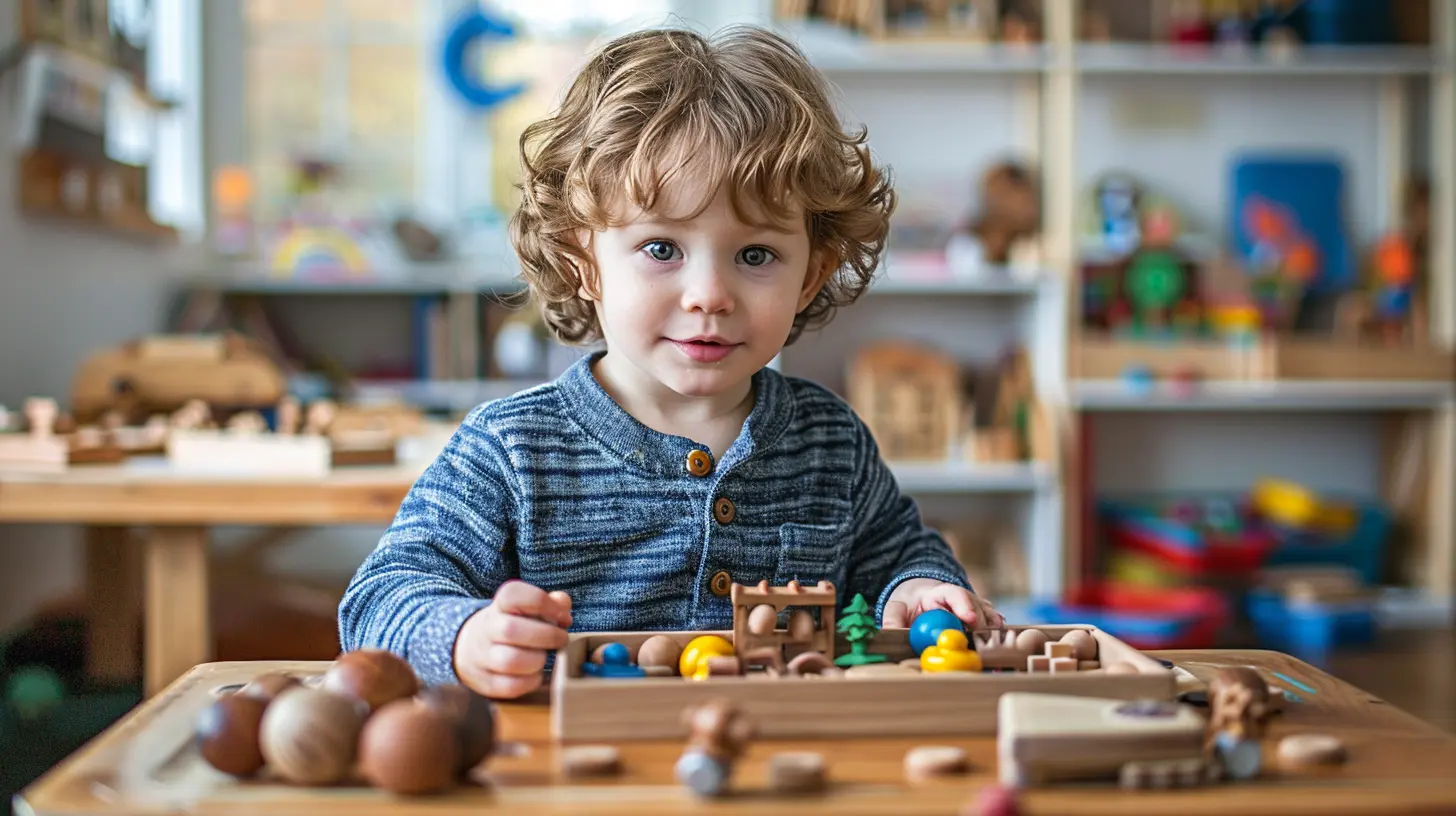
Before we get into the specifics of toddlers, let’s quickly break down what Montessori actually means.Developed by Dr. Maria Montessori, this educational philosophy is built on the idea that children learn best through self-directed activities in a prepared environment. Instead of traditional teacher-led instruction, Montessori encourages kids to explore, make choices, and learn through hands-on experiences.
For toddlers, this means creating a space that allows them to develop critical life skills—like dressing themselves, preparing simple snacks, and cleaning up after play—all through gentle guidance rather than direct instruction.

Why Independence Matters for Toddlers
Toddlers are naturally curious and eager to do things on their own. Have you ever seen a two-year-old insist on putting on their shoes—even if they’re on the wrong feet? That’s their budding independence at work!Montessori encourages this drive for self-sufficiency by giving toddlers the tools and opportunities to do things by themselves. Why is this so important?
- Boosts Confidence – When toddlers successfully complete tasks on their own, they develop a sense of accomplishment.
- Encourages Problem-Solving – Allowing children to figure things out independently helps them develop critical thinking skills.
- Fosters a Growth Mindset – When mistakes are embraced as part of learning, toddlers become more resilient.
- Supports Motor Development – Everyday activities like pouring water or buttoning shirts refine their fine and gross motor skills.
By nurturing independence early, we help toddlers build the confidence to tackle bigger challenges as they grow.
How to Create a Montessori Environment at Home
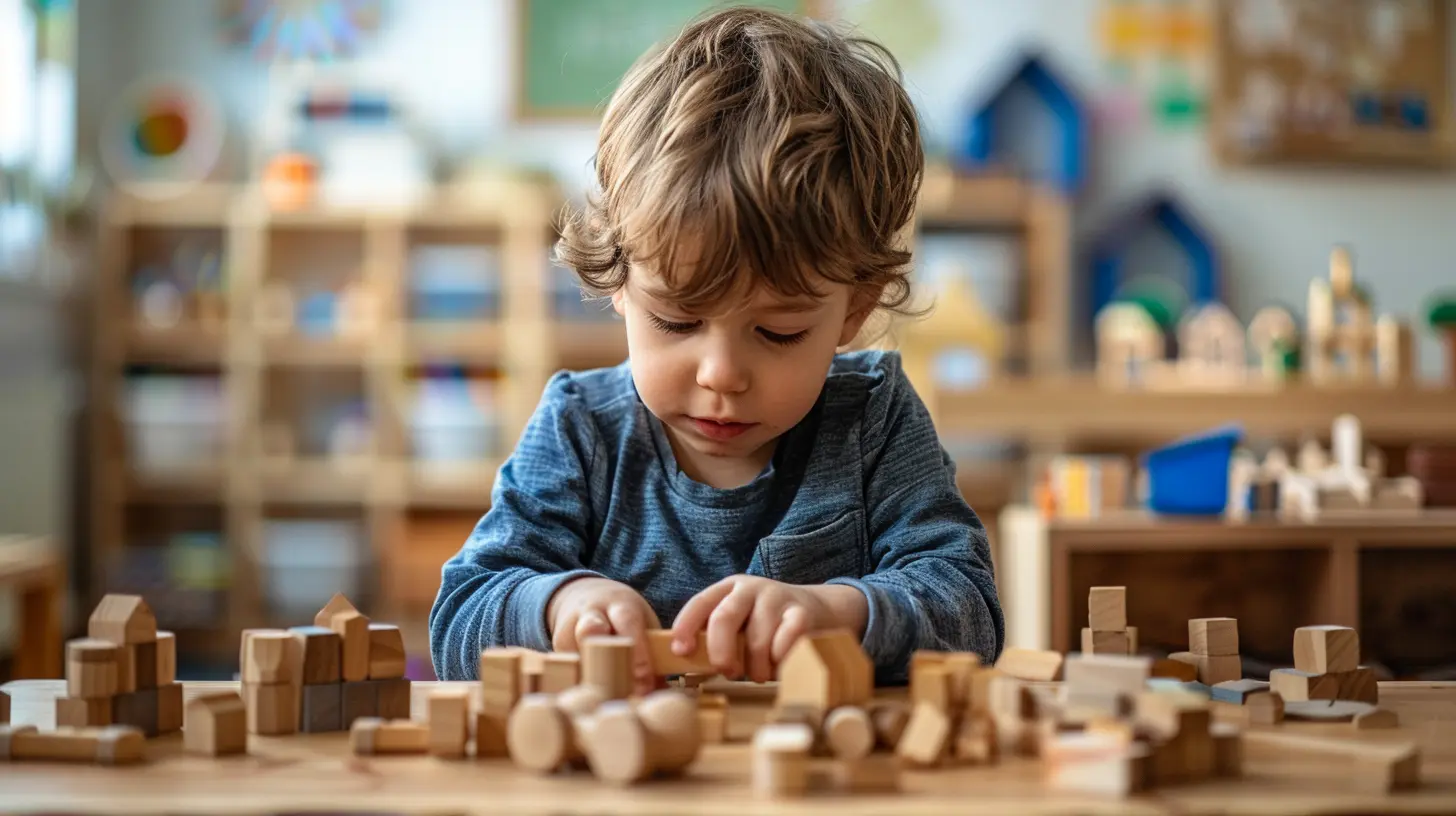
The beauty of Montessori is that it doesn’t require expensive toys or elaborate setups. It’s about making small, thoughtful adjustments to your home environment so your toddler can engage in meaningful, self-directed activities.1. Set Up Child-Sized Furniture
Have you ever tried to sit in an oversized chair? It’s awkward and uncomfortable, right? Now imagine how a toddler feels trying to use adult-sized furniture.Montessori-friendly spaces include:
- A small table and chair for meals and activities
- Low shelves where toys and materials are easily accessible
- A floor bed instead of a crib, allowing freedom of movement
This setup empowers toddlers to take control of their environment without constantly needing adult intervention.
2. Encourage Self-Care
Toddlers love doing things themselves! By making self-care tasks accessible, we support their independence.Try these simple tweaks:
- Keep a small mirror at their height so they can brush their hair
- Set up a stool near the sink for washing hands
- Place clothes on low hooks so they can pick out their outfits
Giving them the time and tools to complete these tasks (even if it takes longer) builds independence and self-confidence.
3. Provide Open-Ended Toys and Materials
Montessori discourages flashy, battery-operated toys that entertain passively. Instead, opt for simple, open-ended materials that encourage creativity.Good choices include:
- Wooden blocks
- Stacking cups
- Simple puzzles
- Household items like pots, wooden spoons, and cloth napkins
These materials allow toddlers to explore, problem-solve, and create in their own way.
4. Involve Them in Practical Life Activities
One of the biggest pillars of Montessori is practical life activities, or everyday tasks that toddlers love to mimic.Some easy ideas include:
- Pouring water into a cup
- Wiping a table with a small cloth
- Watering plants
- Sweeping up crumbs with a mini broom and dustpan
These activities aren’t just for fun—they help toddlers develop coordination, patience, and responsibility.
How to Foster Independence Through Daily Routines
Let Them Take the Lead
Instead of doing everything for your toddler, give them small opportunities to take charge.- Getting Dressed – Lay out two outfit choices and let them pick.
- Mealtime – Let them scoop their own food onto a plate.
- Clean-Up Time – Encourage them to put toys back in baskets after playtime.
Toddlers love being in control of their world. With a little patience, these small choices make a big impact on their confidence.
Practice Patience (Even When It’s Messy!)
Independence is messy—literally. When a toddler pours their own drink, spills will happen. When they put on their shoes, they might be on backward. And that’s okay!Rather than rushing in to "fix" things, let them learn from their mistakes. With practice, they’ll improve, and their confidence will grow.
Create a Toddler-Friendly Space in Every Room
Montessori isn’t limited to the playroom. Every part of the house can include a toddler-friendly setup:- Kitchen: A low cupboard with their own cups, plates, and snacks.
- Bathroom: A step stool and a small towel they can reach.
- Bedroom: A place where they can access books and toys without help.
The more independence they have, the more engaged they’ll be in daily tasks.
Addressing Common Concerns About Montessori at Home
"Won’t It Be Too Messy?"
Yes, fostering independence can get messy in the beginning. But if you embrace the mess as part of the learning process, you’ll find that toddlers quickly improve in skill and precision. Consider small adjustments like using spill-proof containers or laying down a washable mat for messy activities."Isn’t It Too Much Work for Parents?"
While it does take some initial effort to set up a Montessori environment, it actually makes life easier in the long run. When toddlers can do more for themselves, they rely less on adults for every little task. Plus, they love the confidence boost they get from doing things independently!"What If My Child Resists?"
Not every toddler will immediately embrace independence. Some children prefer being helped, and that’s okay. Montessori isn’t about forcing independence—it’s about gently encouraging it at the child’s own pace. Small steps, like letting them choose between two snacks or helping put their shoes away, can gradually build their confidence.
Final Thoughts
Montessori isn’t just an educational method—it’s a way of life that nurtures curiosity, confidence, and independence from an early age. Encouraging toddlers to take charge of small tasks empowers them to explore the world with a sense of capability and joy.Remember, it’s not about perfection. It’s about progress. Little by little, as your toddler gains independence, you'll see the magic of Montessori unfold in everyday moments.
Ready to Start?
You don’t need a fancy Montessori classroom to give your toddler this gift. A few small changes—low shelves, open-ended play, and simple daily routines—can set the stage for a lifetime of confidence and curiosity. So, why not start today?all images in this post were generated using AI tools
Category:
Montessori EducationAuthor:

Charlotte Rogers
Discussion
rate this article
3 comments
Romina McManus
Empowering toddlers through Montessori principles fosters independence, exploration, and self-confidence. Early experiences in a prepared environment lay the foundation for lifelong learning and resilience.
June 10, 2026 at 2:55 AM
Charlotte Rogers
Thank you for highlighting the importance of Montessori principles! I completely agree—empowering toddlers in a prepared environment truly sets the stage for their lifelong learning and resilience.
Taylor McFee
Love this! Montessori for toddlers is like giving them tiny superhero capes! 🦸♂️✨ Watching little ones embrace independence is pure magic. Here’s to tiny hands doing big things—one block at a time!
May 30, 2026 at 2:43 AM
Charlotte Rogers
Thank you! Montessori truly empowers toddlers to become their own heroes. Here's to their incredible journey of independence! 🌟
Olympia Ford
This article beautifully highlights the importance of fostering independence in toddlers through Montessori principles. By allowing children to explore and learn at their own pace, we empower them to develop essential skills and confidence. A must-read for parents and educators seeking an enriching early childhood experience!
May 25, 2026 at 8:33 PM
Charlotte Rogers
Thank you for your kind words! I'm glad you found the article helpful in highlighting the significance of fostering independence in toddlers through Montessori principles.