The Future of Coding Education: Trends to Watch in K-12 Classrooms
26 January 2026
In today’s digital era, coding is no longer just a niche skill—it’s becoming as fundamental as reading and math. Schools worldwide are embracing programming education to equip students with problem-solving skills, creativity, and logical thinking. But as technology advances, so do the ways we teach it.
So, what does the future hold for coding education in K-12 classrooms? Let’s dive into the latest trends shaping the way young minds learn to code.
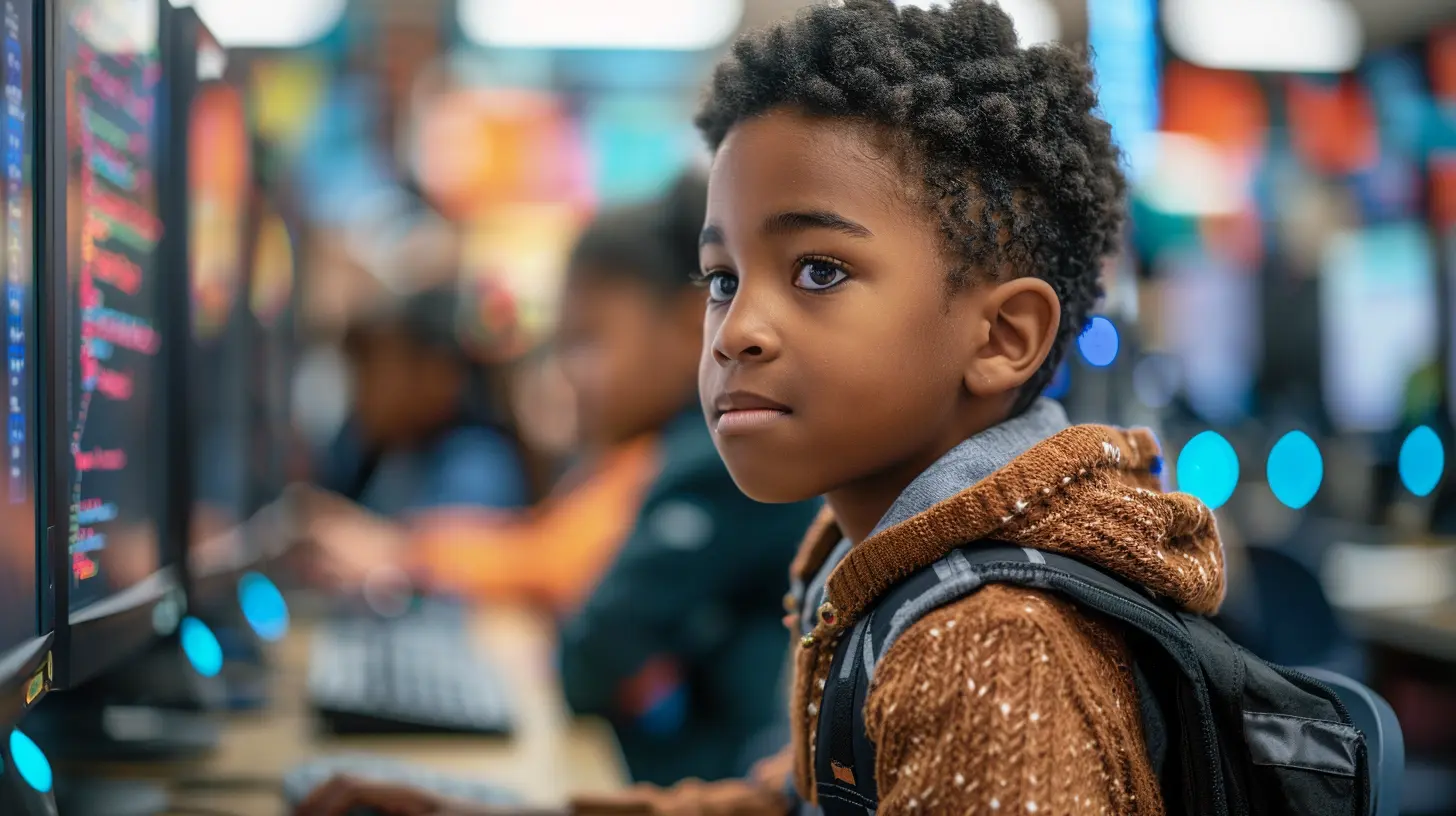
Why Coding Education Matters More Than Ever
Coding isn’t just for future software engineers. It fosters critical thinking, problem-solving, and creativity—skills that every student needs, no matter their career path. As automation and AI continue to reshape industries, understanding code will be as essential as knowing how to use a computer.But learning to code isn’t just about job prospects. It teaches kids how to think logically and break down complex problems into manageable steps—an invaluable skill for any field.

Emerging Trends in K-12 Coding Education
1. Early Introduction to Coding
Gone are the days when coding was reserved for high school tech clubs. Now, students are learning basic programming concepts as early as kindergarten.- Visual block-based coding (like Scratch and Blockly) makes it easy for young learners to grasp logic without worrying about syntax.
- Unplugged coding activities help kids develop computational thinking skills without using screens.
- Interactive coding toys like Ozobots and LEGO Robotics turn coding into hands-on play.
By starting early, students build confidence and see coding as just another form of creative expression.
2. AI-Powered Learning Platforms
Artificial Intelligence (AI) is revolutionizing coding education. AI-powered platforms like Code.org and Tynker now offer personalized learning paths, adapting lessons to each student’s pace and skill level.- Chatbots and virtual tutors provide instant feedback and guidance.
- Adaptive learning helps struggling students by adjusting difficulty levels dynamically.
- AI-assisted code debugging makes learning less frustrating by identifying and explaining mistakes in real time.
With AI, every student gets a customized learning experience, making coding education more effective and engaging.
3. Integration with Core Subjects
Coding is no longer an isolated computer lab activity—it’s weaving into subjects like math, science, and even art.- In math, students use coding to visualize complex equations and patterns.
- In science, they program simulations or analyze data sets.
- In language arts, storytelling meets coding with interactive narratives and animations.
- Even in music, students can compose melodies through code using platforms like Sonic Pi.
By embedding coding into everyday subjects, schools make programming relevant and exciting for all students—not just those interested in tech.
4. Gamification and Hands-On Learning
Kids love games. So, why not use that to teach them coding? Gamified platforms like CodeCombat and Minecraft: Education Edition turn programming lessons into engaging challenges.- Students write code to complete levels, solve puzzles, or build virtual worlds.
- Game-based learning rewards persistence and experimentation.
- Problem-solving becomes interactive, making it easier to grasp complex concepts.
By making coding fun, students stay motivated and engaged—without even realizing they’re learning.
5. More Focus on Computational Thinking Over Syntax
Not every child needs to memorize Python or JavaScript syntax. What really matters is understanding computational thinking—the ability to break down problems and think logically.- Algorithmic thinking
- Pattern recognition
- Abstraction and decomposition
Teaching these skills first allows students to transition seamlessly between different programming languages as they grow.
6. Increased Accessibility and Diversity
For too long, coding education has been limited to students in well-funded schools. But things are changing.- Low-cost coding tools make programming accessible to underprivileged communities.
- Online coding platforms offer free lessons to anyone with an internet connection.
- Diversity initiatives encourage more girls and underrepresented minorities to explore coding careers.
As access to coding education expands, we’ll see a more diverse generation of future tech innovators.
7. Rise of No-Code and Low-Code Platforms
Not every student wants to become a software developer, but that doesn’t mean they shouldn’t learn how to build digital solutions.No-code and low-code platforms empower students to create apps, websites, and automation tools without advanced programming knowledge.
- Scratch and MIT App Inventor allow students to build interactive projects with drag-and-drop interfaces.
- Low-code platforms like Bubble introduce real-world app development concepts.
- No-code web builders help students launch online projects without writing a single line of code.
As these tools evolve, students will focus more on logical problem-solving and creativity rather than just typing code.
8. Augmented and Virtual Reality in Coding Education
Imagine teaching coding in a way that feels like stepping into a sci-fi movie. AR and VR are making this possible.- Students can visualize and interact with code in 3D environments.
- AR-based coding apps provide immersive, hands-on learning experiences.
- Virtual reality coding challenges make abstract concepts come to life.
With AR and VR, coding lessons become far more engaging and accessible, especially for visual and kinesthetic learners.
9. Industry Partnerships and Real-World Applications
Many schools are partnering with tech companies to provide students with real-life coding experiences.- Internships and mentorship programs connect students with industry professionals.
- Project-based learning encourages students to solve real-world problems through code.
- Hackathons and coding competitions build teamwork, creativity, and problem-solving skills.
These initiatives help bridge the gap between classroom learning and the real-world applications of coding.

What Lies Ahead for Coding Education?
The future of coding education is bright, but it’s also evolving fast. As technology continues to shape our world, coding will likely become even more integrated into K-12 curriculums.We may soon see AI tutors that can teach kids to code without human teachers. Or perhaps coding will become as commonplace as teaching kids how to write essays.
One thing is certain: the way we teach coding today will define the problem solvers and innovators of tomorrow.

Final Thoughts
Coding isn’t just a skill—it’s a way of thinking. As schools continue adopting new trends and technologies, coding education will become more accessible, inclusive, and engaging than ever before.For parents and educators, now is the time to embrace these changes and ensure that every child, regardless of background, has the opportunity to develop the digital skills of the future.
So, whether through AI-driven learning, gamified lessons, or AR-enhanced projects, the future of coding education is exciting—and we’re just getting started.
all images in this post were generated using AI tools
Category:
Coding In SchoolsAuthor:

Charlotte Rogers
Discussion
rate this article
12 comments
Michelle Mahoney
Inspiring future innovators—education is evolving beautifully!
February 17, 2026 at 3:23 AM
Charlotte Rogers
Thank you! I'm glad you find the evolution of education inspiring. Excited to see how these trends foster innovation in our future leaders!
Lanae McGee
As coding becomes a cornerstone of modern education, it's vital we equip students not just with programming skills but with critical thinking and creativity. The classroom of the future should foster innovation, collaboration, and resilience—key skills for tomorrow’s tech leaders.
February 14, 2026 at 12:03 PM
Charlotte Rogers
Absolutely! Integrating critical thinking and creativity into coding education is essential for developing well-rounded tech leaders. Fostering innovation and collaboration will prepare students for the challenges of tomorrow’s digital landscape.
Arwenia McMichael
This article beautifully captures the evolving landscape of coding education. Excited to see how these trends shape our students' futures!
February 13, 2026 at 7:34 PM
Charlotte Rogers
Thank you! I'm glad you enjoyed the article and share the excitement for the future of coding education!
Holly Vance
As coding becomes increasingly essential in our digital age, integrating it into K-12 education is crucial. Emphasizing hands-on learning, collaboration, and real-world application will prepare students for future careers. Staying informed about emerging technologies and teaching methodologies will ensure educators effectively equip students for success in a tech-driven world.
February 13, 2026 at 4:26 AM
Charlotte Rogers
Thank you for your insightful comment! I completely agree that hands-on learning and real-world applications are vital in coding education, and staying updated on emerging technologies will empower both educators and students for future success.
Julianne Velez
Exciting insights! Empowering our youth with coding skills is essential for their future success. Thank you!
February 11, 2026 at 1:24 PM
Charlotte Rogers
Thank you for your feedback! Empowering youth with coding skills is indeed crucial for their future. I'm glad you found the insights valuable!
Zinnia Hughes
Future coding classes might just be kids typing ‘Hello, World!’ while simultaneously Googling how to fix their coffee machines. If they can code a robot to do their homework, I’m all in! Let’s just hope they don’t invent a homework-eating monster!
February 7, 2026 at 1:53 PM
Charlotte Rogers
That's a humorous take! As coding education evolves, integrating real-world problem solving—like fixing coffee machines—could make learning both practical and engaging for students. Let's hope for innovative solutions that enhance creativity rather than homework-eating monsters!
Alana Cross
Great insights! It's inspiring to see how coding education is evolving. Excited to see how these trends shape young minds.
February 6, 2026 at 7:41 PM
Charlotte Rogers
Thank you! I'm glad you found it inspiring. The evolving landscape of coding education is indeed exciting!
Jessamine Riggs
In classrooms where dreams intertwine, Coding's embrace ignites young minds. Future architects of digital skies, With trends that spark and joy that binds, Education’s path forever shines.
February 6, 2026 at 12:35 PM
Charlotte Rogers
Thank you for your poetic reflection! It beautifully captures the essence of coding education's transformative power in shaping young minds for a digital future.
Zephyrian McNab
This article sheds light on the evolving landscape of coding education in K-12 classrooms, highlighting essential trends that empower our future innovators. Embracing these changes not only enhances student engagement but also equips them with vital skills for tomorrow's digital world. Great insights!
February 2, 2026 at 1:31 PM
Charlotte Rogers
Thank you for your thoughtful comment! I'm glad you found the insights valuable for understanding the future of coding education in K-12.
Nixie Reynolds
Great insights! Excited to see how these trends shape coding education for future generations.
February 2, 2026 at 4:04 AM
Charlotte Rogers
Thank you! I'm excited too—these trends will definitely impact how we teach and learn coding in schools.
Meagan McLaughlin
As coding education evolves, fostering creativity and critical thinking will be essential. Embracing interdisciplinary approaches and personalized learning can empower students, preparing them not just for coding, but for problem-solving in a dynamic future.
January 28, 2026 at 8:45 PM
Charlotte Rogers
Absolutely! Emphasizing creativity and critical thinking through interdisciplinary and personalized learning is key to preparing students for the ever-evolving challenges in coding and beyond.
Helen McEachern
This article beautifully highlights the evolving landscape of coding education in K-12 classrooms. It's inspiring to see how technology is integrated into learning, nurturing creativity and critical thinking in young minds. Empowering the next generation with these skills is essential for their future success in an increasingly digital world.
January 26, 2026 at 11:36 AM
Charlotte Rogers
Thank you for your insightful comment! I'm glad you found the article inspiring and resonant with the importance of coding education in shaping future-ready learners.
MORE POSTS

Encouraging Problem-Solving Skills in Preschoolers
Why Montessori Encourages Freedom Within Limits for Children

How to Use Coding to Teach Ethical Decision-Making in the Classroom

How to Use Formative Assessment to Close Learning Gaps
Gamifying Project-Based Learning for Increased Engagement

Montessori vs. Traditional Preschool: Understanding the Differences

Music and Mindfulness: Teaching Students to Focus

The Power of Choice: How Montessori Encourages Decision-Making Skills